Holistic Care For Puppies: 10 Essential Daily Habits
Holistic care for puppies goes beyond food, exercise, and basic training. It also includes emotional support, regular routines, mental stimulation, and a calm environment.
Together, these elements help your puppy feel safe, healthy, and confident as it adjusts to its new home. A holistic approach considers your puppy’s overall well-being rather than focusing on a single aspect of its care.
Small daily habits can make a big difference over time. A balanced routine, positive experiences, regular rest, and a peaceful home all help your puppy thrive.
This guide explores simple ways to include holistic care in your puppy’s daily routine. You’ll discover practical tips that support both physical and emotional well-being. These easy habits can also help strengthen the bond you share with your puppy.
What Does A Holistic Care Routine For Puppies Include?
A holistic care routine supports every aspect of your puppy’s well-being, including its physical health, emotional balance, mental stimulation, and daily habits.
Rather than focusing on just one area, it combines simple practices that work together to help your puppy feel safe, comfortable, and confident.
The good news is that holistic care doesn’t have to be complicated. Small, consistent actions can make a meaningful difference over time. The following daily habits can help create a healthy routine while strengthening the bond between you and your puppy.
1. Have A Calm Morning Routine To Start The Day
A calm morning routine helps your puppy start the day feeling safe and relaxed. Puppies are naturally curious and full of energy when they wake up. Beginning the day with a peaceful routine helps prevent early overstimulation and creates a positive start.
Process
Greet your puppy calmly when it wakes up and take it outside for a toilet break. Provide a nutritious breakfast and fresh water at the same time each day. Follow this with gentle play, cuddles, or a short walk to help channel your puppy’s morning energy.
Keep the atmosphere peaceful and avoid rushing through the routine. Loud noises and unnecessary excitement can make it harder for your puppy to settle. Before moving on to the next activity, give your puppy time to rest in a comfortable, quiet space.
Benefits
- Helps puppies feel calm and secure
- Supports healthy potty training habits
- Reduces morning hyperactivity and restlessness
- Strengthens the bond between you and your puppy
- Creates a comforting daily routine
Common Mistakes To Avoid
- Starting the morning with loud or rushed activity
- Skipping the morning toilet break
- Overstimulating your puppy with too much play
- Changing feeding times too often
- Ignoring signs that your puppy needs rest
Helpful Tip
Keep your morning routine calm, consistent, and flexible. Puppies adapt best to predictable routines, and small, positive moments each day help build confidence and encourage good behaviour.
2. Midday Balance And Rest Routine
A midday routine gives your puppy time to recover after an active morning. Puppies can become tired or overstimulated quite easily. A balanced schedule supports both physical recovery and emotional well-being while preparing your puppy for the rest of the day.
Process
After feeding, encourage your puppy to rest in a quiet, comfortable area where it can relax completely. If needed, include a short training session or a few minutes of gentle play before settling down. Keep all activities calm, gradual, and low energy.
Avoid excessive stimulation during this part of the day. Giving your puppy time to rest and recharge helps maintain both mental and physical balance while preparing it for the afternoon’s activities.
Benefits
- Helps puppies recover their energy naturally
- Supports healthy digestion and rest cycles
- Reduces stress and overstimulation
- Improves focus during training sessions
- Encourages balanced daily behaviour
Common Mistakes To Avoid
- Skipping midday rest time
- Overplaying during low-energy hours
- Feeding meals at irregular times
- Ignoring signs that your puppy is tired
- Keeping the environment too noisy
Helpful Tip
Keep the midday routine peaceful and consistent. Puppies rest best in a calm environment, and regular downtime supports emotional balance, healthy development, and a predictable daily routine.
3. Afternoon Play And Learning Routine
The afternoon is an excellent time for gentle learning and controlled play. After resting, puppies usually regain their energy and are ready to explore.
This part of the day provides an opportunity to strengthen your bond while encouraging positive behaviour and mental stimulation.
Process
Start the afternoon with a toilet break to help your puppy feel comfortable before beginning any activities. Follow this with a short training session using simple commands and a calm, encouraging tone.
Keep your puppy mentally engaged with gentle interactive games, such as fetch or puzzle toys. Keep each activity short and enjoyable, allowing time for breaks between sessions. Finish with a quiet period to help your puppy relax and regain its balance.
Benefits
- Improves obedience and learning skills
- Builds stronger communication with the owner
- Keeps puppies mentally active and engaged
- Reduces boredom-related behaviour issues
- Supports healthy energy balance
Common Mistakes To Avoid
- Making training sessions too long
- Using a harsh tone during learning
- Skipping breaks between activities
- Ignoring signs of frustration
- Introducing too many commands at once
Helpful Tip
Keep afternoon training light, positive, and enjoyable. Short sessions with gentle encouragement help puppies stay focused, build confidence, and enjoy learning without becoming overwhelmed.

4. Evening Wind-Down Routine
An evening routine helps your puppy unwind after a busy day. A calm and predictable routine supports emotional balance, encourages relaxation, and helps prepare your puppy for a restful night’s sleep.
Process
Begin the evening with a gentle toilet break to help your puppy feel comfortable before bedtime. Serve dinner at a regular time each evening to maintain a consistent routine.
After your puppy has eaten, avoid energetic play and choose quiet bonding activities instead. Gentle petting, calm companionship, or simply sitting together can help your puppy relax.
Gradually reduce the lights and noise to signal that it’s time to settle down. Then guide your puppy to its sleeping area so it can prepare for a peaceful night’s rest.
Benefits
- Promotes better sleep quality
- Reduces nighttime restlessness
- Supports digestion before sleep
- Builds emotional security
- Creates a calm bedtime routine
Common Mistakes To Avoid
- Engaging in energetic play before bedtime
- Feeding dinner too late in the evening
- Keeping lights and noise levels high
- Skipping the final toilet break
- Interrupting your puppy’s wind-down time
Helpful Tip
Keep the evening routine calm and consistent. A predictable bedtime helps your puppy feel secure, sleep more peacefully, and wake refreshed for the day ahead.
5. How To Tell When Your Puppy Needs More Rest
Puppies often show subtle signs when they need more rest. These behaviours can easily be mistaken for hyperactivity or misbehaviour. Learning to recognize the difference helps support your puppy’s comfort, emotional well-being, and healthy development.
Process
Watch for changes in your puppy’s behaviour throughout the day. If your puppy becomes overly energetic, bites more than usual, seems easily distracted, or appears unusually irritable, it may simply need more rest.
Gently guide your puppy to a quiet, comfortable place where it can relax without interruptions. Allow it to sleep naturally and reduce stimulation by limiting noise, playtime, and other activities. Avoid forcing interaction, as rest helps your puppy recover, recharge, and return to a calmer, more balanced state.
Benefits
- Prevents overstimulation and stress
- Improves emotional stability
- Supports healthy growth and recovery
- Reduces unwanted behaviour issues
- Helps maintain balanced energy levels
Common Mistakes To Avoid
- Forcing play when your puppy is tired
- Ignoring sudden behaviour changes
- Delaying nap time for too long
- Mistaking fatigue for misbehaviour
- Keeping the environment too active
Helpful Tip
Pay attention to changes in your puppy’s behaviour throughout the day. Recognizing the signs of tiredness and allowing plenty of rest helps support healthy development, emotional balance, and overall well-being.
Want to Grow Your Reiki Practice Gently?
If you feel called to share your healing gifts with more pets and their families, there are heart-centred ways to turn your passion into a sustainable income. This guide explores ethical, meaningful ways to earn within the Pet Reiki niche without losing your spiritual focus.
🌟 Please read: How To Start An Animal Reiki Business6. Create A Safe And Comfortable Bedtime Routine
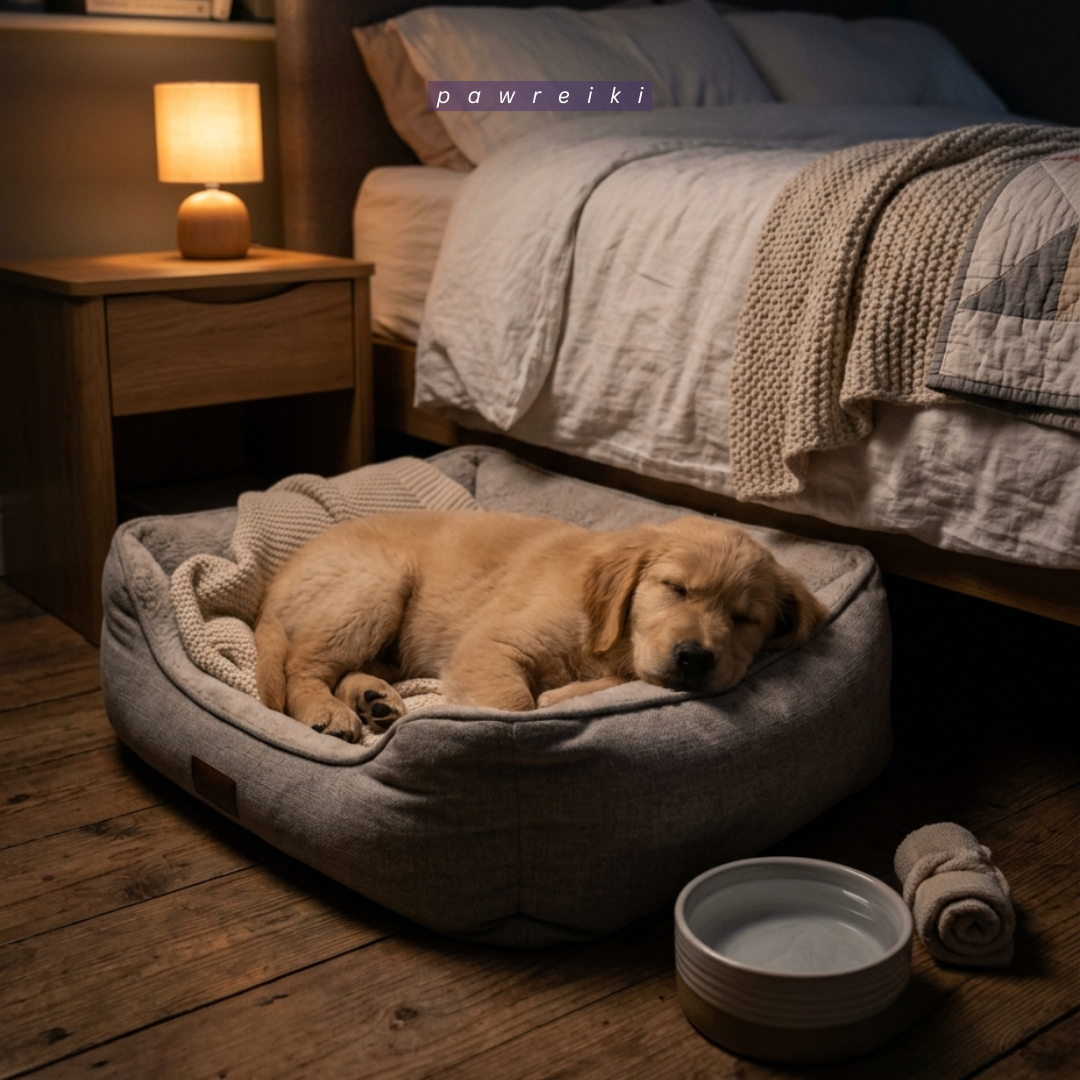
A proper sleep routine is an essential part of holistic puppy care. It helps your puppy end the day feeling safe, relaxed, and emotionally secure. A calm bedtime routine also supports healthy growth, behaviour, and overall well-being.
Process
Take your puppy outside for one final toilet break before bedtime to help ensure a comfortable night’s sleep. Then guide your puppy to its sleeping area, keeping the environment quiet, dimly lit, and peaceful.
Avoid rough play or overly exciting activities before bed. If your puppy needs reassurance, stay nearby for a few minutes while it settles. This gentle routine helps your puppy feel safe and encourages a deep, restful sleep.
Benefits
- Improves deep and restful sleep
- Supports healthy brain development
- Reduces nighttime anxiety or crying
- Builds a sense of safety and trust
- Helps maintain a consistent sleep routine
Common Mistakes To Avoid
- Skipping the final toilet break before bedtime
- Allowing rough play before sleep
- Keeping lights and noise levels too high
- Frequently changing your puppy’s sleeping area
- Disturbing your puppy while it is sleeping
Helpful Tip
A consistent bedtime routine helps puppies feel safe and secure. Calm, predictable evenings make it easier for them to settle, sleep well, and wake refreshed for the day ahead.
7. Gentle Socialization Routine
Socialization helps puppies become more confident, friendly, and emotionally balanced in different situations. Gradual exposure to new experiences supports healthy behaviour and helps your puppy feel more comfortable as it grows.
Process
Begin by gently introducing your puppy to new people, sounds, and environments. Start in familiar surroundings at home, then gradually move to quiet outdoor areas. Keep each experience short, positive, and appropriate for your puppy’s age.
Watch your puppy’s body language throughout each interaction. If your puppy shows signs of fear or stress, slow down or end the session. Reward calm behaviour with praise or treats to build confidence. Gentle, gradual exposure helps your puppy feel safe and more comfortable in unfamiliar situations over time.
Benefits
- Builds confidence in new environments
- Reduces fear and anxiety responses
- Improves behaviour around people and other pets
- Supports emotional stability and trust
- Encourages positive learning experiences
Common Mistakes To Avoid
- Introducing too many new experiences at once
- Forcing interactions with strangers or other pets
- Ignoring signs of fear or stress
- Exposing your puppy to noisy environments too early
- Skipping gradual introductions
Helpful Tip
Take socialization one step at a time. Positive experiences help puppies build confidence, reduce fear, and develop the skills they need to adapt comfortably to new situations.
8. Grooming And Hygiene Routine
Regular grooming helps keep your puppy healthy, comfortable, and clean. It also strengthens your bond while keeping the coat tidy, reducing dirt, and supporting good overall hygiene.
Process
Begin by gently brushing your puppy’s coat to remove loose hair and debris. Check the ears, eyes, paws, and coat for any signs of dirt, irritation, or discomfort. Bathe your puppy only when necessary, using lukewarm water and puppy-safe grooming products.
Keep each grooming session short, calm, and stress-free. Speak gently, handle your puppy with care, and reward good behaviour with praise or a small treat to create a positive experience.
Benefits
- Helps prevent skin irritation and infections
- Strengthens the bond with your puppy
- Helps detect potential health issues early
- Builds tolerance for regular grooming over time
- Supports good overall hygiene
Common Mistakes To Avoid
- Brushing too roughly
- Bathing your puppy more often than necessary
- Skipping ear, eye, or paw checks
- Making grooming sessions too long
- Forgetting to reward positive behaviour
Helpful Tip
Keep grooming sessions gentle, brief, and positive. Regular, enjoyable experiences help your puppy become comfortable with grooming and make routine hygiene easier as it grows.
9. Balanced Nutrition Routine
A balanced feeding routine supports your puppy’s healthy growth, energy, and development. It also promotes steady digestion, helps maintain a healthy weight, and provides consistent energy throughout the day.
Process
Feed your puppy a nutritious diet that is appropriate for its age, size, and breed at regular times each day. Divide meals into smaller portions to support healthy digestion and maintain steady energy levels.
Provide fresh water at all times and avoid making sudden changes to your puppy’s diet. Watch how your puppy responds to different foods and make gradual adjustments if needed. A calm, distraction-free feeding environment also encourages relaxed eating habits.
Benefits
- Improves digestion and nutrient absorption
- Maintains steady energy levels
- Reduces stomach discomfort
- Builds consistent eating habits
- Supports healthy growth and development
Common Mistakes To Avoid
- Changing your puppy’s food too frequently
- Overfeeding or underfeeding portions
- Not providing fresh water at all times
- Feeding at irregular times
- Giving too many treats
Helpful Tip
Feed your puppy at consistent times each day and introduce any dietary changes gradually. A stable feeding routine supports healthy digestion, steady energy levels, and overall well-being.
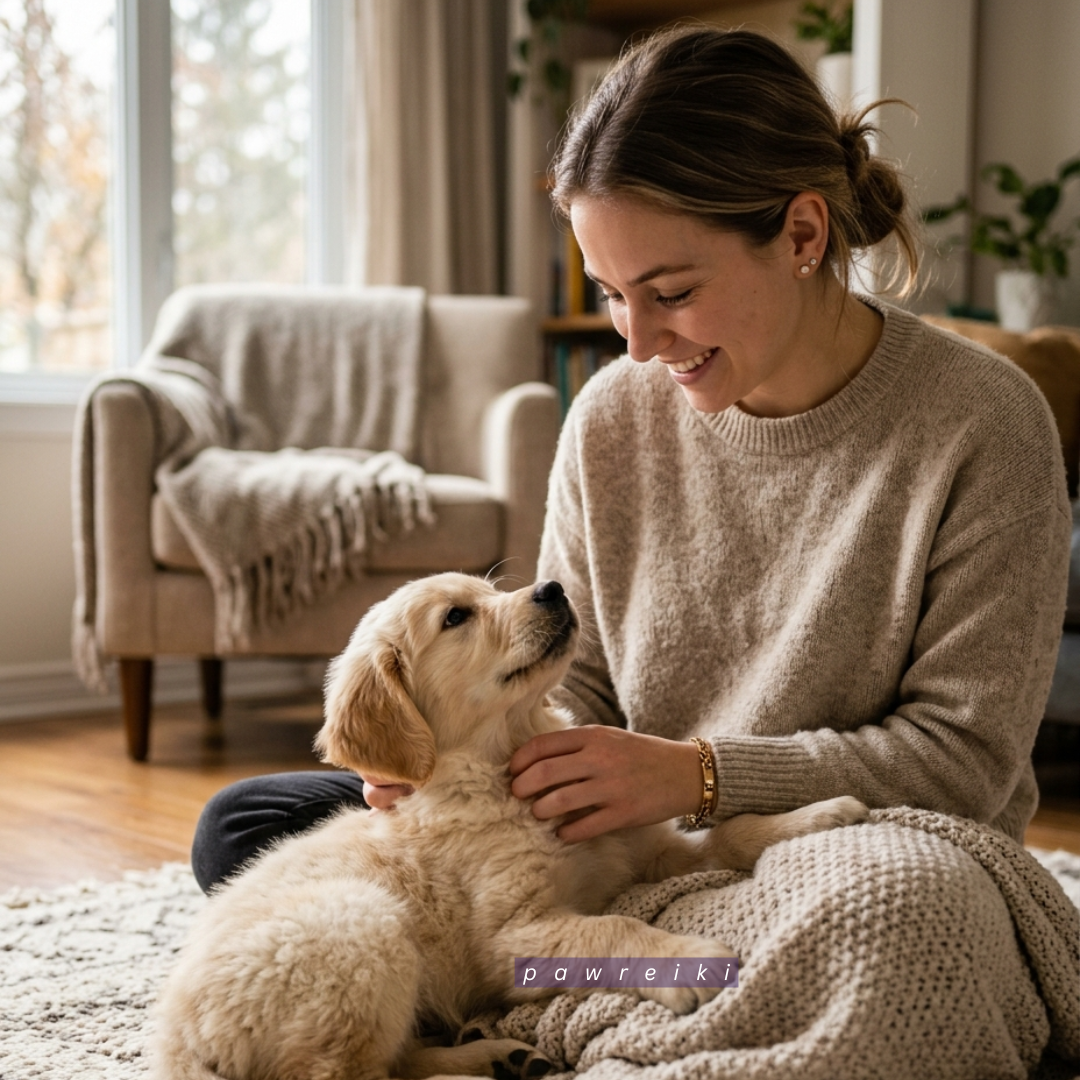
10. Daily Bonding And Emotional Connection Routine
Spending time with your puppy each day helps build trust, emotional security, and a lasting bond. Regular, positive interactions encourage calm behaviour and help your puppy feel loved, safe, and understood.
Process
Set aside a few quiet moments each day to spend quality time with your puppy. Sit together, gently stroke your puppy, and speak in a calm, reassuring voice without distractions. Let your puppy approach you at its own pace, and be patient throughout the interaction.
Keep bonding sessions short but consistent. These daily moments strengthen your relationship while helping your puppy feel secure, supported, and emotionally balanced.
Benefits
- Strengthens the emotional bond and trust between you and your puppy
- Reduces anxiety and fearful behaviour
- Improves communication with your puppy
- Encourages calm and relaxed behaviour
- Builds a lasting bond
Common Mistakes To Avoid
- Skipping daily bonding time
- Forcing interaction when your puppy wants space
- Allowing distractions during bonding sessions
- Being inconsistent with attention and affection
- Expecting trust to develop immediately
Helpful Tip
Spend a few quiet minutes with your puppy every day. Consistent, positive interactions build trust over time and create a strong, lasting bond that supports your puppy’s emotional well-being.
Seasonal Care Adjustments For Puppies
Caring for a puppy means making small adjustments throughout the year. Changes in the weather, temperature, and daylight hours can all affect your puppy’s comfort, energy levels, and daily routine.
Adapting your care to each season helps support healthy growth while reducing seasonal risks. Each season brings different opportunities and challenges.
Spring introduces pollen and parasites, summer requires extra attention to heat and hydration, autumn brings cooler weather and changing routines, and winter calls for added warmth and indoor enrichment.
Understanding these seasonal changes helps you provide the right care throughout the year. Every puppy is unique. Age, breed, size, coat type, and overall health all influence how puppies respond to different weather conditions.
By observing your puppy and making gradual adjustments, you can support its health, comfort, and emotional well-being in every season.
Spring: Supporting Growth And Preventing Seasonal Irritations
Spring is a season of exploration for puppies, but it also brings new environmental challenges. As flowers bloom and grass grows, pollen levels increase and may trigger mild skin irritation or itching in sensitive puppies.
Check your puppy’s coat, ears, and paws after outdoor activities to remove dirt, allergens, and debris. Spring is also the beginning of flea and tick season in many regions, making regular parasite prevention especially important.
Keep your puppy’s bedding clean, maintain a consistent grooming routine, and gradually increase outdoor exercise as temperatures rise. These simple habits help your puppy enjoy spring comfortably while supporting healthy growth and development.
Summer: Protecting Your Puppy From Heat And Dehydration
Summer requires extra care because puppies are more vulnerable to heat than adult dogs. Always provide access to fresh, clean water and ensure your puppy has a cool, shaded place to rest.
Schedule walks during the early morning or evening when temperatures are lower and pavement is less likely to burn sensitive paw pads. Watch for signs of overheating, such as excessive panting, drooling, sluggishness, or difficulty cooling down after exercise.
Offer cooling mats, frozen puppy-safe treats, and plenty of indoor play on extremely hot days. Managing heat exposure carefully helps keep your puppy comfortable, active, and safe throughout the summer.
Autumn: Preparing For Seasonal Changes And Routine Adjustments
Autumn brings cooler temperatures, making it an excellent time for outdoor training, socialization, and exercise. However, seasonal changes can also affect your puppy’s daily routine.
As daylight hours become shorter, adjust walking schedules to maintain regular physical activity and mental stimulation. Check outdoor play areas for fallen branches, mouldy leaves, or other seasonal hazards.
Continue regular grooming and health checks, and monitor your puppy’s appetite, body condition, and energy levels as the weather changes. A well-managed autumn routine helps maintain good health while preparing your puppy for the colder months ahead.
Winter: Keeping Your Puppy Warm, Comfortable, And Active
Cold weather can be challenging for puppies, especially small breeds, short-haired breeds, and very young dogs. Provide a warm, draft-free sleeping area and keep bedding clean and dry.
Limit outdoor time during extreme cold, snow, or icy conditions, and use a properly fitted coat when needed. After walks, gently clean and dry your puppy’s paws to remove ice, mud, and irritating substances.
Indoor enrichment activities become especially important during winter. They help prevent boredom, provide mental stimulation, and support healthy energy levels throughout the colder months.
Year-Round Observation: Adapting Care To Your Puppy’s Individual Needs
Although seasonal guidelines are helpful, every puppy responds differently to environmental changes. Make it a habit to observe your puppy’s appetite, hydration, energy levels, coat condition, and behaviour throughout the year.
Small changes can often provide early signs of discomfort, stress, or health concerns. Maintain regular veterinary checkups, provide balanced nutrition, encourage appropriate exercise, and follow a consistent daily routine in every season.
Adjust your care based on your puppy’s breed, age, size, and individual needs rather than relying solely on general recommendations. Careful observation and proactive care create a strong foundation for lifelong health, comfort, and happiness.
FAQs
Q1: How Important Is A Daily Routine For A Puppy?
A daily routine helps puppies feel safe and secure while reducing confusion. Consistent feeding times, toilet breaks, naps, playtime, and training sessions encourage good behaviour, emotional well-being, and steady progress during the early stages of development.
Q2: Can Puppies Benefit From Calming Activities At Home?
Yes. Many puppies benefit from calming activities that help them relax and feel emotionally secure. Gentle massage, quiet bonding time, soft music, enrichment games, and peaceful rest areas can all contribute to a calm and balanced routine.
Q3: How Much Sleep Does A Young Puppy Usually Need?
Young puppies typically need 18 to 20 hours of sleep each day. Adequate rest supports healthy growth, brain development, learning, emotional balance, and steady energy levels as your puppy develops.
Q4: When Should I Start A Daily Routine With My Puppy?
Start establishing a routine as soon as your puppy comes home. Consistent feeding times, toilet breaks, play sessions, training, and rest periods help puppies settle into their new environment and develop healthy habits from an early age.
Q5: What Should I Do If My Puppy Doesn’t Follow A Routine?
Be patient and stay consistent. Puppies need time to adjust to new schedules, and occasional setbacks are normal. Keep routines predictable, use positive reinforcement, and make gradual changes instead of expecting immediate results.
Q6: How Can I Adjust My Puppy’s Routine As It Grows?
Your puppy’s routine should change as it develops. As your puppy gets older, you can gradually adjust feeding schedules, exercise, training sessions, and rest periods to match its changing needs, energy levels, and developmental stage.
Helpful External Resources
If you’d like to explore pet wellness, behaviour support, or gentle healing practices further, here are trusted organizations and educational resources you may find helpful:
- American Veterinary Medical Association (AVMA) – General pet health, behaviour guidance, and care resources.
- ASPCA Pet Care Library – Behaviour tips, anxiety support, and animal-care information.
- VCA Animal Hospitals: Know Your Pet – Comprehensive articles written by veterinarians.
- International Center for Reiki Training (ICRT): Animal Reiki – Introductory information and classes for working with animals.
- Shelter Animal Reiki Association (SARA) – Ethical, animal-led Reiki practices and training.
Conclusion
Building a healthy routine is one of the best ways to support your puppy’s growth, confidence, and overall well-being. Daily bonding, patience, consistency, and gentle guidance help puppies feel safe and secure.
These simple habits also help them become well-adjusted as they learn about the world around them. Every puppy is unique, so be flexible and adapt your routine to meet its individual needs.
Holistic puppy care goes beyond food and exercise. It also includes emotional well-being, quality sleep, balanced nutrition, mental stimulation, regular health care, and a calm home environment.
Together, these everyday habits create a strong foundation for a happy, healthy companion for years to come. Enjoy every stage of your puppy’s journey, and celebrate the special bond you build together each day.
I trust you enjoyed this article on Holistic Care for Puppies: 10 Essential Daily Habits. Please stay tuned for more Reiki insights, pet wellness tips, and holistic lifestyle ideas.
Take care!
— JeannetteZ 🐾💜
💬 Your Opinion Is Important To Me
Do you have thoughts, ideas, or questions? I’d love to hear from you. Please leave your comments below or email me directly at Jeannette@pawreiki.com.
📚 More PawReiki Reads — Discover Energy Healing & Holistic Pet Wellness
💜 My #1 Recommendation for Online Success
Reiki has brought so much peace and purpose to my life, and sharing it online has been a true blessing. If you’ve ever dreamed of creating a gentle income stream around your love for animals and holistic healing, this platform gives you all the tools, training, and community support you need — no tech experience required.
🌟 See How Reiki Lovers Build Online Income — Try WA FreeNo credit card required · Free starter training included
Disclosure
This post may contain affiliate links. As an Amazon Associate and participant in other affiliate programs, I earn from qualifying purchases at no extra cost to you. Please read my full affiliate disclosure.