10 Best Holistic Healing Meditation For Dogs
Dogs feel far more than we often realize. They absorb our stress, react to changes, and sometimes carry anxiety in ways they can’t express.
This is where holistic healing meditation becomes helpful. It focuses on providing your dog with a peaceful and secure environment; it’s neither difficult nor overly spiritual.
Even very restless dogs can become noticeably calmer with this practice. And honestly, it’s just as relaxing for you as it is for them.
What Is Holistic Healing Meditation For Dogs?
At its core, holistic healing meditation is about balance—mind, body, and energy. For dogs, this means creating an environment where they feel safe, relaxed, and emotionally steady.
It’s not about making your dog sit cross-legged or “meditate” like humans. Instead, it’s about guiding them into a calm state through your energy, breathing, and presence.
You can think of it this way: Dogs don’t overthink—they feel. So when you’re calm, grounded, and intentional, they naturally respond. At first, this may sound a bit abstract. But once I tried it with a nervous dog, the shift was surprisingly real.
How To Meditate With Your Dog
1. Calm Energy Meditation
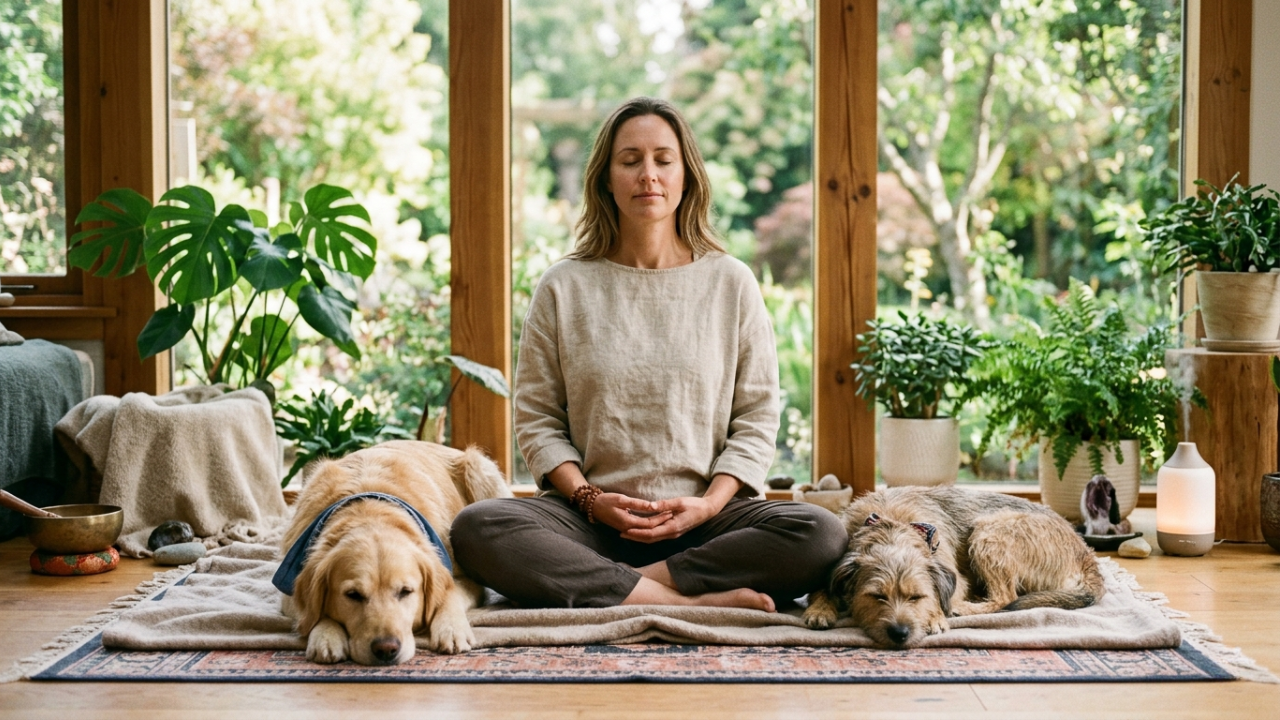
Calm Energy Meditation helps dogs feel safe and relaxed by sensing your peaceful presence. It reduces anxiety naturally and builds emotional balance through quiet connection, gentle awareness, and steady calming energy.
Process
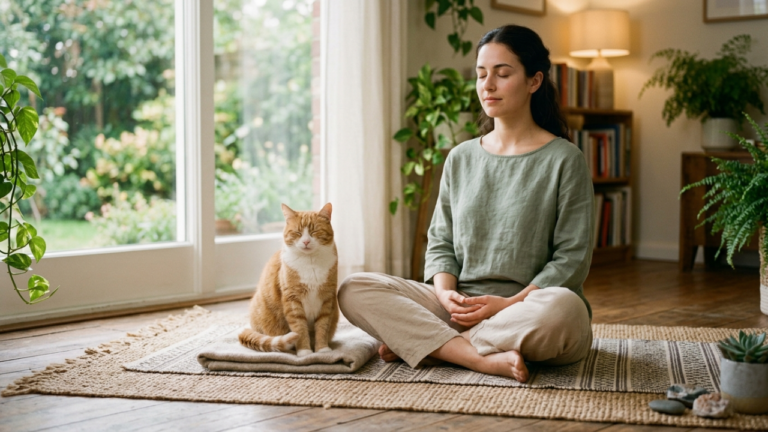
Sit quietly beside your dog without giving any commands. This is not training time—it’s simply a moment of connection.
Slow your breathing with deep, gentle inhales and exhales. Release body tension by relaxing your shoulders and softening your face.
Think simple calming thoughts like “you are safe” or “everything is okay.” Do not say them out loud. Stay calm and avoid forcing interaction. Stay like this for 5–10 minutes and let your dog relax naturally.
Benefits
- Reduces anxiety and nervous behaviour
- Promotes emotional stability over time
- May help promote a calmer physical state
- Encourages deeper relaxation and calmness
- Improves overall behaviour and response
- Strengthens trust and bonding with the owner
- Creates a sense of safety and comfort
2. Touch Healing Meditation
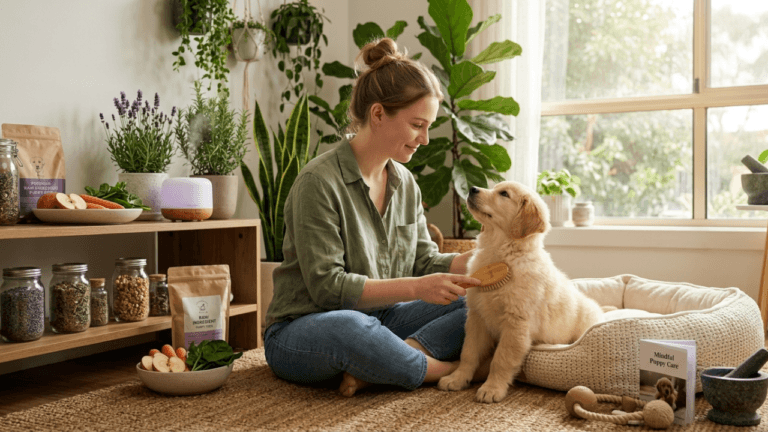
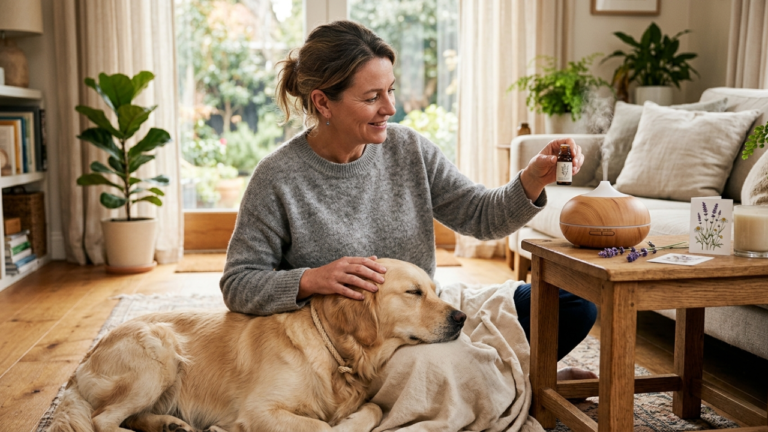
Touch Healing Meditation uses gentle physical contact to calm your dog’s mind and body. It creates a sense of safety, reduces stress, and strengthens emotional bonding naturally over time.
Process
Sit beside your dog in a quiet, calm environment and gently place your hand on their back or chest. Keep your touch very soft, steady, and relaxing—avoid any massage-like pressure or movement.
Keep your thoughts at ease and concentrate on your breathing. Avoid talking or making sudden gestures, as silence helps deepen relaxation.
If your dog changes position or moves away, allow it to do so naturally without forcing. Continue this gentle contact for 5–10 minutes to create a safe, peaceful emotional connection.
Benefits
- Reduces stress and physical tension
- Promotes emotional calmness
- Strengthens trust and bonding
- Helps anxious dogs feel secure
- Encourages relaxation and stillness
- Supports overall mental balance
- Creates a deeper connection through touch
3. Breathing Synchronization Meditation
Breathing Synchronization Meditation aligns your breathing with your dog’s natural rhythm. This shared calm state helps regulate emotions, reduce stress, and build a deep, peaceful connection between you and your dog.
Process
Sit quietly beside your dog and observe their natural breathing pattern. Notice how their chest rises and falls. Slowly adjust your breathing to match their rhythm. Keep your breath slow, smooth, and relaxed.
Do not force synchronization; let it happen naturally. Stay present and focused without distractions. Continue this shared breathing for 5–10 minutes, allowing you and your dog to settle into a calm, connected state.
Benefits
- Creates a deep emotional connection
- Helps regulate breathing patterns
- Promotes calm and relaxation
- Reduces anxiety and restlessness
- May support a more relaxed state
- Improves focus and awareness
- Encourages peaceful shared energy
4. Sound Healing Meditation
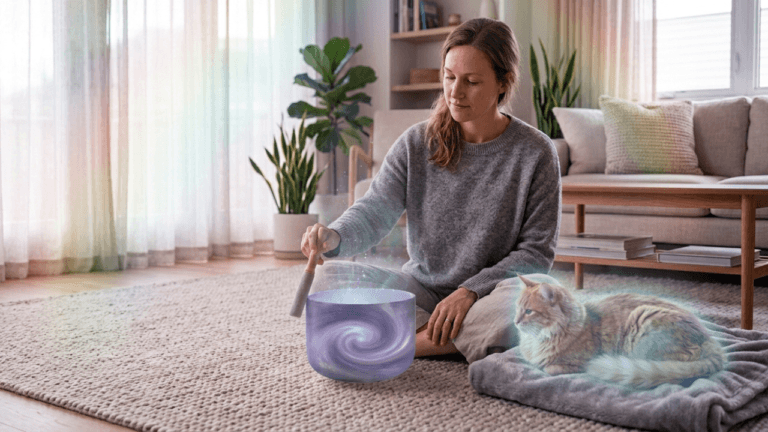
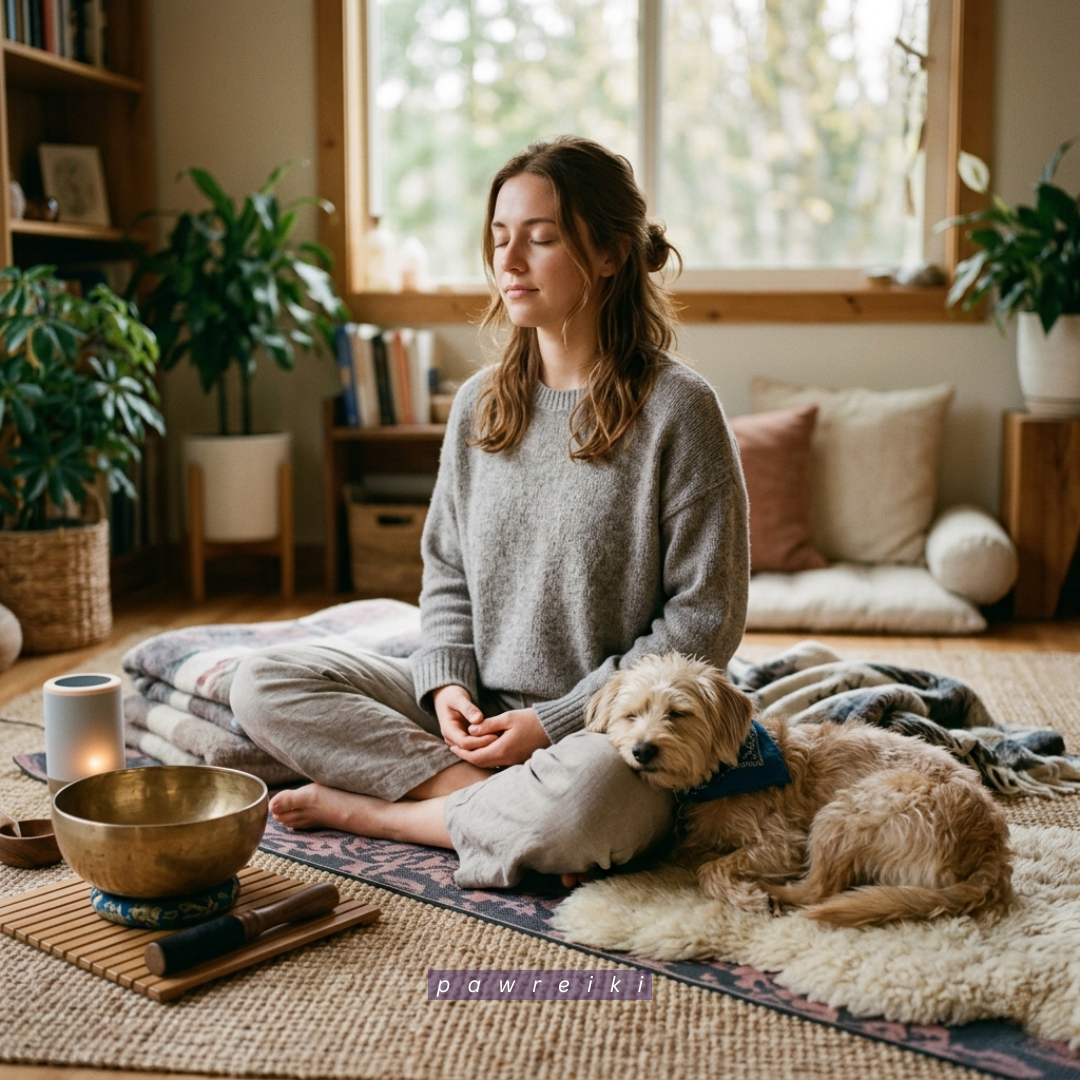
Sound Healing Meditation uses soft music or natural sounds to calm your dog’s mind. It gently reduces fear, anxiety, and restlessness while creating a soothing and peaceful environment.
Process
Play gentle instrumental music or low-pitched natural noises. Allow your dog to lie comfortably in a quiet space. Sit nearby and maintain a calm presence. You can place a gentle hand on them if they are comfortable.
Avoid loud noises or sudden interruptions. Keep the environment quiet and undisturbed. Stay in this calm setting for 5–10 minutes, allowing the sound to relax your dog naturally.
Benefits
- Reduces fear and nervousness
- Calms hyperactive behaviour
- Promotes a restful state
- Creates a peaceful environment
- Helps sensitive dogs relax faster
- Supports emotional balance
- Enhances overall comfort and calmness
5. Walking Meditation
Walking Meditation helps active dogs release excess energy while staying calm and focused. It combines slow movement with mindful awareness, creating both physical relaxation and mental balance through meditation for dogs.
Process
Take your dog for a slow, relaxed walk in a quiet area with minimal distractions. Walk at a steady, calm pace without rushing or forcing direction.
Stay fully present, paying attention to your dog’s natural movements and breathing rhythm. Avoid giving unnecessary commands to allow the walk to feel free and natural.
Focus on maintaining a peaceful mindset throughout the session. Continue this mindful walking for 10–15 minutes to help your dog release energy while developing calmness, balance, and emotional relaxation.
Benefits
- Releases excess energy naturally
- Reduces hyperactivity and stress
- Improves focus and behaviour
- Encourages calm movement
- Supports mental relaxation
- Strengthens connection during walks
- Creates a balanced physical and emotional state
6. Visualization Healing Meditation
Visualization Healing Meditation uses your calm imagination to create a peaceful energy around your dog. It may help your dog feel safe and balanced, lessen stress, and promote emotional ease and relaxation.
Process
Sit quietly beside your dog in a relaxed space. Close your eyes gently and slow your breathing. Imagine a soft, warm light surrounding your dog. Visualize this light bringing calmness, safety, and healing energy.
Stay focused on this peaceful image without distractions. Do not speak or move suddenly. Let your dog rest naturally beside you. Continue this visualization for about 5–10 minutes while maintaining a calm and steady presence.
Benefits
- Supports emotional healing
- Reduces stress and anxiety
- Promotes inner calmness
- Enhances peaceful energy
- Improves overall relaxation
- Creates a sense of safety
- Strengthens emotional connection
7. Silent Presence Meditation
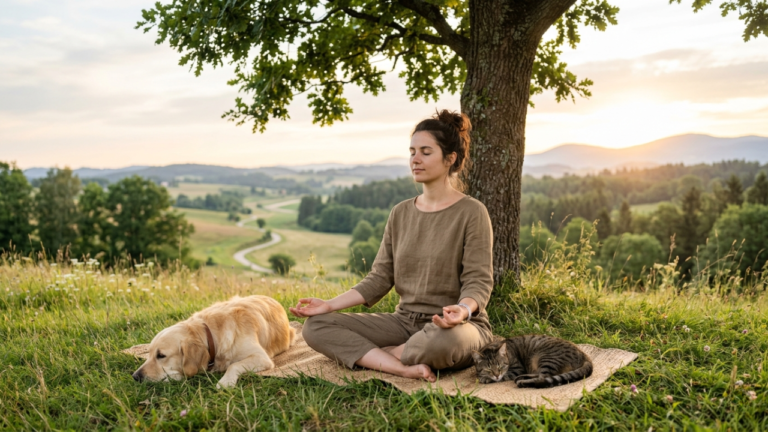
Silent Presence Meditation focuses on simply being with your dog without interaction. This quiet connection helps your dog relax naturally and builds trust through calm, steady, and peaceful presence.
Process
Sit beside your dog without doing anything specific. Do not use your phone or speak. Keep your body relaxed and your breathing slow. Allow your dog to move or settle freely without interference.
Stay present in the moment and avoid distractions. Your goal is not to control but to share a calm space. Continue this silent presence for 5–10 minutes, letting your dog naturally feel relaxed and safe.
Benefits
- Builds deep trust and connection
- Encourages natural relaxation
- Reduces overstimulation
- Promotes calm behaviour
- Helps dogs feel emotionally safe
- Strengthens quiet bonding
- Supports mental balance
8. Chakra-Based Relaxation Meditation
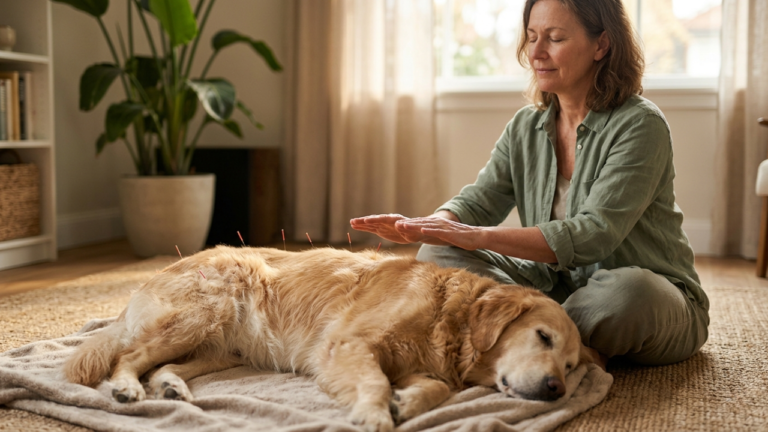
Chakra-Based Relaxation Meditation focuses on balancing your dog’s energy through gentle touch. It helps create harmony in their body and mind, promoting overall well-being and emotional stability.
Process
Let your dog lie comfortably in a calm environment. Gently place your hand on different areas, such as the head, chest, and back. Stay on each spot for one to two minutes while maintaining slow breathing.
Do not apply pressure—keep your touch light and steady. Move slowly between areas and stay focused. Continue this process for about 5–10 minutes to help your dog feel balanced and relaxed.
Benefits
- May support overall relaxation and well-being
- Promotes emotional stability
- Reduces tension and stress
- Enhances relaxation
- Supports overall well-being
- Improves calmness and focus
- Encourages gentle healing
9. Heart Connection Meditation
Heart Connection Meditation strengthens the emotional bond between you and your dog. It focuses on shared calm feelings, helping your dog feel loved, secure, and emotionally balanced.
Process
Sit close to your dog and gently lace your hand over their chest. Focus on your breathing and imagine your calm energy flowing from your heart to your dog. Keep your thoughts soft and positive.
Do not speak or move quickly. Allow your dog to stay relaxed in their position. Continue this quiet heart-focused connection for 5–10 minutes, creating a deep emotional bond and peaceful state.
Benefits
- Strengthens emotional bonding
- Creates a feeling of safety
- Reduces anxiety and fear
- Promotes a calm emotional state
- Builds trust and connection
- Encourages loving energy
- Supports overall well-being
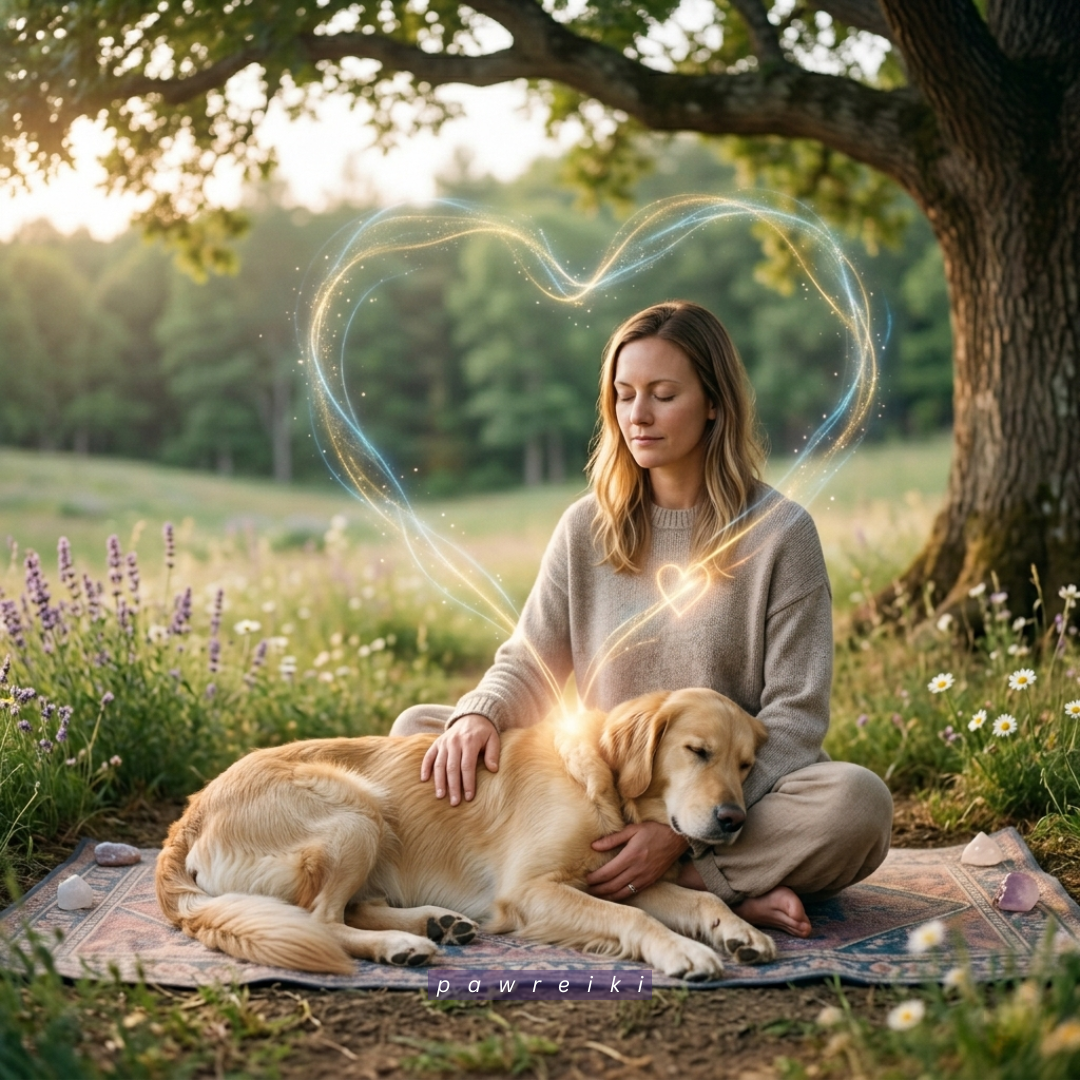
10. Body Scan Relaxation Meditation
Body Scan Relaxation Meditation helps your dog release tension by focusing on each part of their body. It promotes deep relaxation, calmness, and overall physical and emotional comfort.
Process
Let your dog lie down comfortably. Sit beside them and gently focus on one body part at a time, starting from the head and moving toward the tail. Gently place your hand, or simply focus your attention, on each area.
Maintain slow breathing and stay calm. Do not rush the process. Spend a few moments on each part. Continue for 5–10 minutes to help your dog release tension and relax deeply.
Benefits
- Releases physical tension
- Promotes deep relaxation
- Improves body awareness
- Reduces stress levels
- Supports calm behaviour
- Enhances comfort and ease
- Encourages full-body relaxation
Want to Share Your Love for Pet Reiki?
Discover how rewarding it can be to bring healing energy and compassion to pets — and to share that passion online with others.
🌟 Please read: How to Make Money Within the Pet Reiki NicheSigns Your Dog Needs Meditation
1. Excessive Barking Or Noise
When a dog starts barking excessively without a clear reason, it often indicates internal stress or confusion. This Behaviour can come from anxiety, boredom, or emotional imbalance.
The dog is trying to release built-up energy or discomfort. Meditation helps calm their nervous system and reduce unnecessary reactions.
With regular calm sessions, their minds become more stable, and barking slowly decreases. It’s not just behaviour—it’s often emotional overload that needs gentle healing, not punishment or strict control.
2. Restlessness And Inability To Stay Still
If your dog keeps moving around, pacing, or cannot sit or lie down peacefully, it may indicate mental tension. Restlessness shows that their mind is not relaxed, even if the body is active.
This often happens due to a lack of emotional calmness or overstimulation. Meditation helps slow down their internal energy.
Through breathing calmness and silent presence, dogs gradually learn to settle. Over time, they start to enjoy stillness and feel more balanced, both mentally and physically.
3. Separation Anxiety
Dogs that become overly stressed when left alone often suffer from separation anxiety. They may cry, destroy things, or wait anxiously for their owner.
This is not bad behaviour—it’s emotional dependency and insecurity. Meditation helps build inner safety and emotional stability.
When practiced regularly with calm energy and a gentle presence, the dog starts to feel secure even without constant attention. This reduces panic responses and helps them trust that being alone is also safe and okay.
4. Excessive Licking Or Chewing
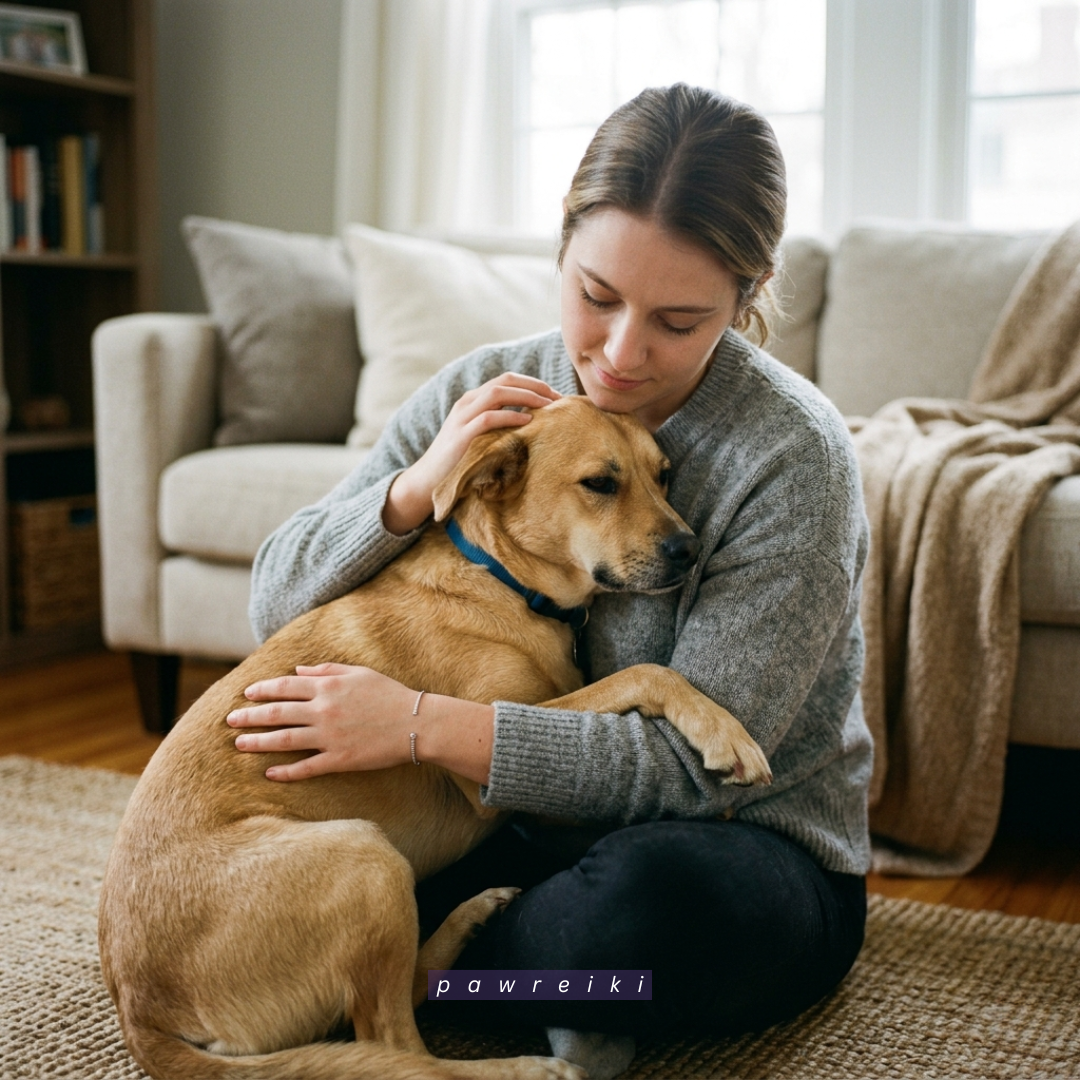
If a dog keeps licking paws, chewing objects, or even their body too often, it can signal emotional stress. This behaviour is often a self-soothing method when they feel anxious or bored.
Instead of stopping it forcefully, it’s better to address the root cause. Meditation for dogs helps calm the nervous system and reduce compulsive habits.
With slow breathing, gentle presence, and touch-based relaxation, dogs gradually shift from nervous energy to peaceful awareness and naturally reduce unnecessary repetitive actions over time.
5. Fear Of Loud Sounds
Many dogs get scared of thunderstorms, fireworks, or sudden loud noises. If your dog shakes, hides, or becomes uncontrollably nervous during such events, it shows a high level of sensitivity and a fear response.
Meditation helps reduce this sensitivity over time by creating emotional grounding. Calm breathing, a soft presence, and training in a soothing environment help the dog feel safe even amid external noise.
Gradually, their fear response weakens, and they learn to remain more stable in stressful situations.
6. Clingy Or Over-Attached Behaviour
If your dog follows you everywhere, refuses to stay alone, or becomes anxious when you move away, it may indicate emotional imbalance. While bonding is good, excessive attachment can indicate insecurity.
Meditation helps create emotional independence and inner calm. Through silent presence and calming routines, dogs learn that safety is not only about physical presence but also about emotional stability.
Over time, they become more confident, relaxed, and comfortable even when you are not constantly around.
7. Aggressive Or Reactive Behaviour
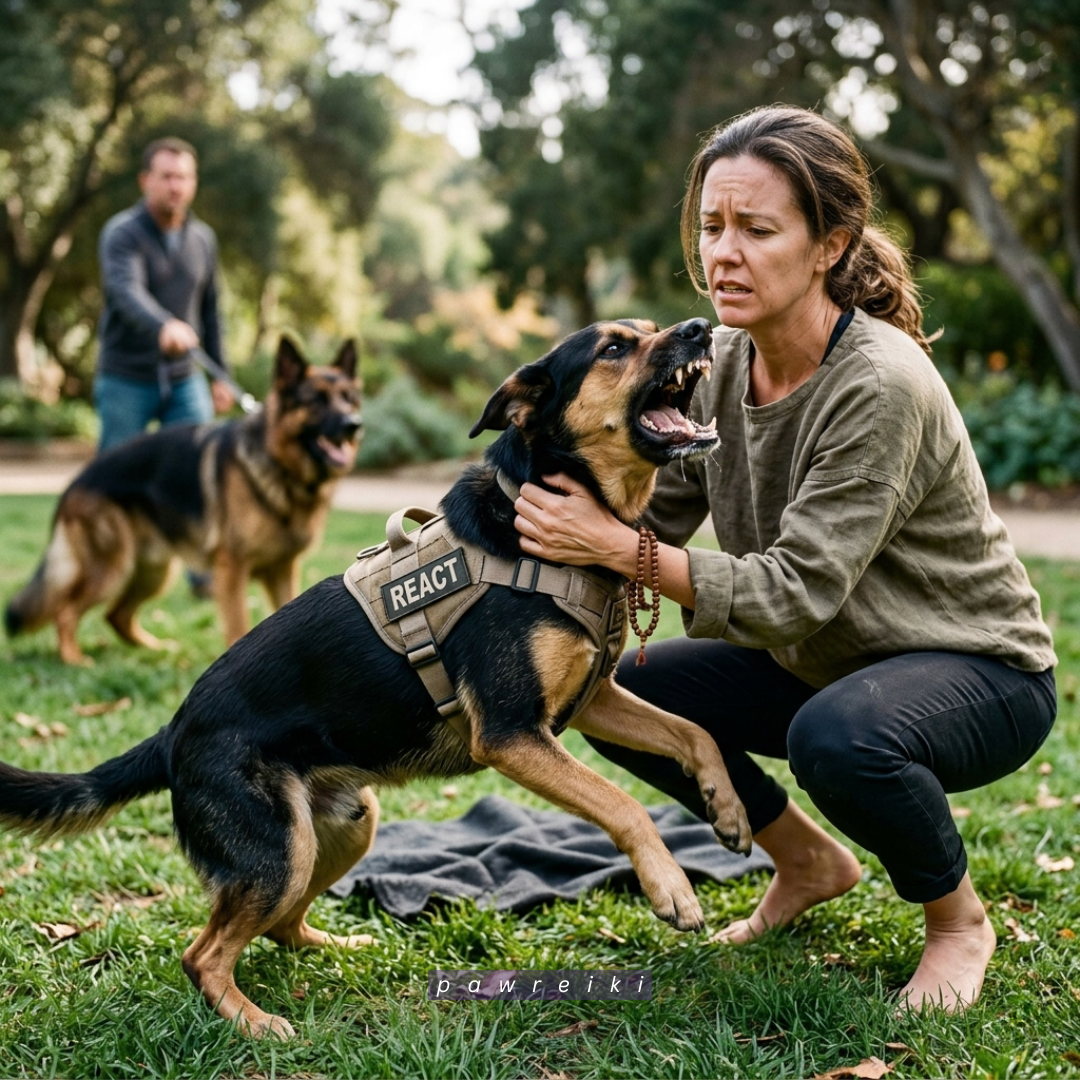
Sudden aggression, growling, or overreaction to small triggers often comes from stress or fear, not just dominance. A dog that is emotionally overwhelmed may respond quickly without thinking.
Meditation helps reduce this reactive energy by calming their internal state. With regular quiet sessions, breathing sync, and gentle touch, the dog learns emotional control.
Instead of reacting instantly, they become more patient, balanced, and less triggered by everyday situations or environmental changes.
8. Low Energy Or Emotional Withdrawal
If your dog suddenly becomes quiet, less playful, or avoids interaction, it may indicate emotional sadness or fatigue. This is not always physical illness—it can be emotional heaviness.
Meditation helps gently lift this state by restoring calm energy balance. Through silent presence and soothing interaction, dogs feel emotionally supported again.
Slowly, their curiosity returns, and they become more active, engaged, and connected with their surroundings and owner in a natural, healthy way.
FAQs
Q1: Can I Meditate With My Dog Even If They Are Very Active?
Yes, but keep sessions short. Start with just a few minutes. Active dogs may take longer to settle, but consistency helps them gradually become calmer.
Q2: Do I Need Any Special Tools Or Music For Dog Meditation?
No, not at all. A quiet space and your calm presence are enough. Soft music can help, but it’s optional. Simplicity usually works best.
Q3: How Long Does It Take To See Results In My Dog?
Some dogs respond quickly, within a few sessions. Others take weeks. It depends on their personality, environment, and consistency of practice.
Q4: Is Meditation Safe For Anxious Or Rescue Dogs?
Yes, it’s completely safe. In fact, it can be very helpful. Just go slowly, avoid forcing interaction, and let your dog adjust at their own pace.
Q5: How Long Should A Meditation Session Be?
A meditation session should start with 5 to 10 minutes daily. Short, consistent practice works better than long sessions, helping dogs gradually build calm behaviour and trust.
Helpful External Resources
If you’d like to explore pet wellness, behaviour support, or gentle healing practices further, here are trusted organizations and educational resources you may find helpful:
- American Veterinary Medical Association (AVMA) – General pet health, behaviour guidance, and care resources.
- ASPCA Pet Care Library – Behaviour tips, anxiety support, and animal-care information.
- VCA Animal Hospitals: Know Your Pet – Comprehensive articles written by veterinarians.
- International Center for Reiki Training (ICRT): Animal Reiki – Introductory information and classes for working with animals.
- Shelter Animal Reiki Association (SARA) – Ethical, animal-led Reiki practices and training.
Conclusion
Holistic healing meditation for dogs isn’t complicated—it’s about connection, calmness, and consistency. When you slow down, your dog naturally follows your energy.
Over time, this simple practice can reduce stress, improve behaviour, and deepen your bond in ways you didn’t expect. It may feel unusual at first, which is completely normal. Stick with it. Sometimes the quietest moments with your dog end up being the most meaningful.
I trust you enjoyed this article on the Holistic Healing Meditation For Dogs. Please stay tuned for more Reiki insights, pet wellness tips, and holistic lifestyle ideas.
Take care!
— JeannetteZ 🐾💜
💬 Your Opinion Is Important To Me
Do you have thoughts, ideas, or questions? I’d love to hear from you. Please leave your comments below or email me directly at Jeannette@pawreiki.com.
📚 More PawReiki Reads — Discover Energy Healing & Holistic Pet Wellness
💜 My #1 Recommendation for Online Success
Reiki has brought so much peace and purpose to my life, and sharing it online has been a true blessing. If you’ve ever dreamed of creating a gentle income stream around your love for animals and holistic healing, this platform gives you all the tools, training, and community support you need — no tech experience required.
🌟 See How Reiki Lovers Build Online Income — Try WA FreeNo credit card required · Free starter training included
Disclosure
This post may contain affiliate links. As an Amazon Associate and participant in other affiliate programs, I earn from qualifying purchases at no extra cost to you. Please read my full affiliate disclosure.