Easy Guide To Meditation For Cats For Daily Relaxation
Cats usually seem calm, but they can get stressed just like people do. Things like loud noises, changes at home, or boredom can affect how they feel. The good news is, every cat can benefit from meditation, no matter their personality.
Meditation for cats is simple—it’s about making a peaceful space where your cat can truly relax. Even shy or independent cats can feel more comfortable with gentle meditation routines. You can make your cat feel safer, calmer, and more balanced every day with patience and consistent practice.
If your cat’s stress doesn’t ease over time, it’s best to check with your veterinarian. This will help make sure there are no underlying health issues and keep your cat as healthy and happy as possible.
Why Cats Need Relaxation Time
Even cats that seem calm can feel stressed inside. Small changes in their daily life can have a big impact on them. Regular relaxation helps keep their emotions balanced, lowers anxiety, and supports their overall well-being.
It also helps cats feel safer at home and makes it easier for them to stay calm when something unexpected happens.
Common Stress Triggers
- Sudden loud noises
- New pets or people
- Changes in routine
- Lack of stimulation
- Too much isolation
When Stress Builds Up, Cats May
- Hide more than usual
- Become aggressive
- Over-groom
- Lose their appetite
Meditation helps cats let go of stress over time, so they feel calmer, safer, and more balanced without any pressure. It can also improve their behaviour, build trust, and support lasting peace and comfort for your cat.
An Easy Daily Guide To Cat Meditation For Relaxation And Calm
1. Choose A Quiet And Safe Space
First, select a place where your cat already feels comfortable, such as a preferred corner, bed, or quiet room. Make sure the area is free from loud noise and sudden movement.
Keep the space consistent so your cat can develop a sense of routine. Sit nearby calmly without forcing interaction, and let your cat relax naturally. Choose a time when your home is peaceful, such as morning or evening.
Let your cat settle in at their own pace without any pressure or disturbance. If you have more than one cat, consider where each likes to relax. You can set up different meditation spots or let your cats choose where they feel best.
Some cats like to be alone, while others enjoy being together. If your cats do not get along, keep them separated during meditation so each can have a peaceful space without extra stress.
Watch what your cats prefer and let them join in when they want. This way, every cat can enjoy a peaceful space that fits their personality.
Benefits
A quiet and safe space helps your cat feel secure and relaxed. It reduces stress, supports better sleep, improves emotional balance, and allows your cat to enjoy peaceful moments without fear or distraction in their daily routine.
2. Remove Noise And Distractions
Start by turning off loud devices like the TV, music, or anything that creates sudden sounds. Keep the environment as quiet as possible so your cat can relax without interruptions.
Close windows if outside noise is disturbing. Avoid sudden movements or talking loudly during the session. Sit calmly and let your cat adjust to the silence.
You don’t need complete silence; just a soft, steady environment. Over time, your cat will associate this quiet space with relaxation and feel more comfortable staying calm.
Benefits
Reducing noise helps your cat feel less alert and more relaxed. It lowers anxiety, improves focus, and creates a peaceful place where your cat can rest comfortably without being disturbed by sudden or stressful sounds.
3. Keep Lighting Soft And Calm
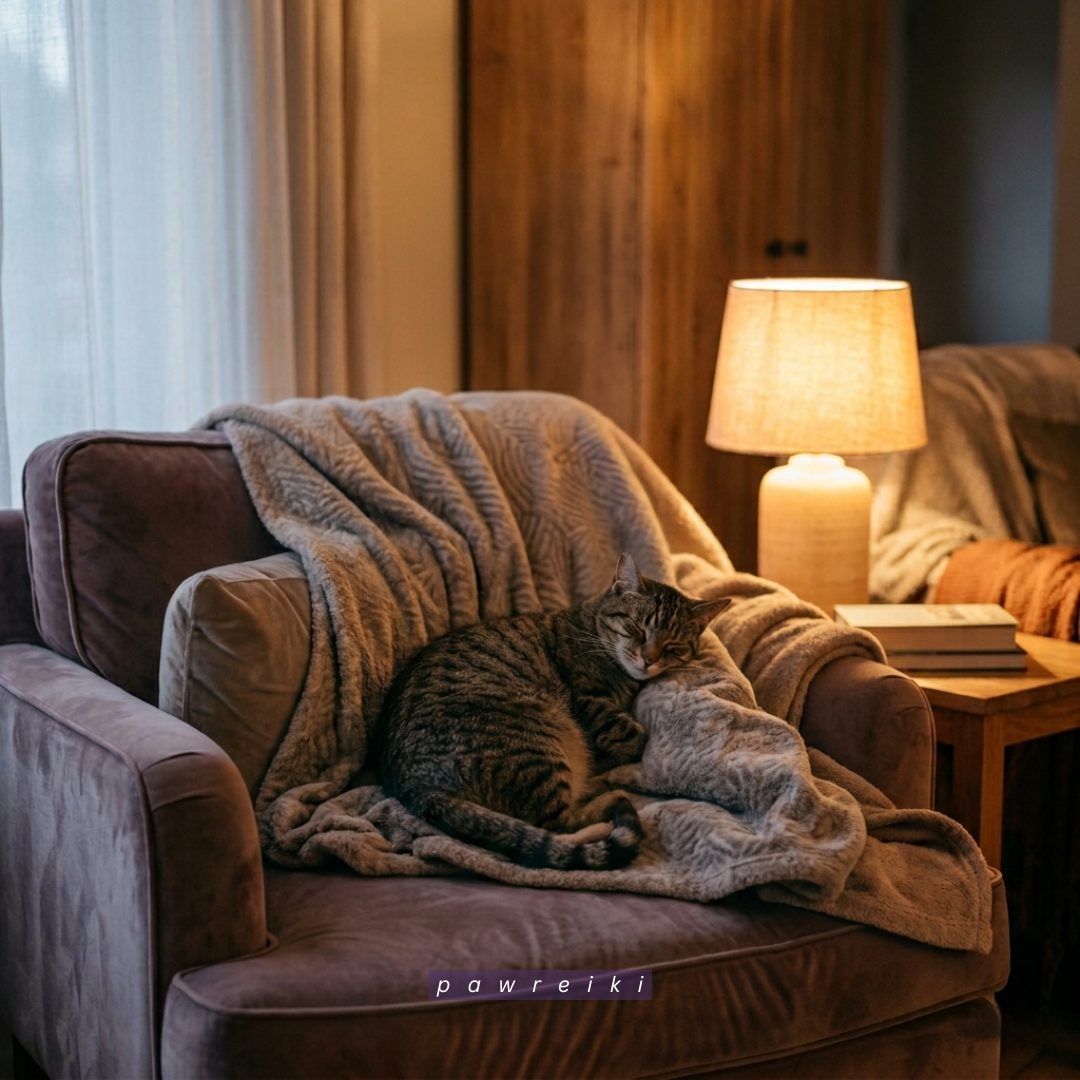
Use soft or dim lights to make the space calm for your cat. Stay away from bright or harsh lighting, as it can make your cat uncomfortable. Natural light or a small lamp works well.
Try to keep the lighting the same each time so your cat gets used to it. Sit quietly and let your cat adjust. Soft lighting helps your cat feel safe and relaxed, making it easier for them to settle down.
Benefits
Soft lighting creates a soothing environment that helps your cat relax easily. It reduces overstimulation, supports calm behaviour, and helps your cat feel more comfortable, secure, and peaceful during meditation time.
4. Sit Calmly Near Your Cat
Sit near your cat in a relaxed, comfortable way, but don’t try to make them interact. Stay still and avoid quick movements. Just be calm and natural so your cat doesn’t feel any pressure.
You can sit on the ground or anywhere your cat feels secure. Focus on simply being present. Over time, your cat will connect your calm presence with feeling safe and relaxed, and they’ll feel more comfortable staying close to you.
Benefits
Your calm presence helps your cat feel safe and secure. It develops trust, reduces anxiety, and strengthens your bond, allowing your cat to relax naturally and enjoy peaceful moments without fear or pressure.
5. Let Your Cat Come To You Naturally
Let your cat come to you when they’re ready, without calling or making them. Sit quietly and give them space to choose when they feel comfortable.
Every cat is different, so be patient. Avoid grabbing or pulling your cat closer. Let them come over when they feel curious or comfortable. This way, your cat feels in control.
If your cat doesn’t come closer or seems uninterested, try shorter sessions or sit quietly a bit farther away to avoid putting pressure on them. You can offer a few treats nearby as mild encouragement, but don’t force them.
As your cat becomes more confident, you can gradually lengthen the sessions or let them come closer when they’re ready. Some cats need more time and reassurance. With patience, they’ll start coming over more often as they feel safe and relaxed.
Benefits
Allowing your cat to come naturally builds trust and confidence. It reduces fear, boosts emotional comfort, and helps your cat feel safe in their environment, creating a more relaxed and positive meditation experience.
6. Maintain Slow And Relaxed Breathing
Sit comfortably and pay attention to your breathing. Take slow, gentle breaths and keep a steady pace. Try not to breathe too fast or heavily, as it can make things tense.
Even if your cat doesn’t notice, they can feel the calm energy you bring. Stay relaxed and breathe naturally. This helps make the space peaceful so your cat can settle down. Over time, your calm breathing will help both you and your cat relax more deeply.
Benefits
Slow breathing creates a calm energy that your cat can feel. It reduces stress, promotes relaxation, and helps your cat stay peaceful, making the meditation experience more effective and soothing over time.
7. Use Gentle Touch Only If Allowed
If your cat likes being touched, gently stroke their head, back, or chin with slow, soft movements. Keep your touch light and steady, and don’t press too hard.
Always watch how your cat reacts. If they move away or seem uncomfortable, stop right away. Never force them to be touched. Some cats want space, and that’s okay.
Respect your cat’s preferences and adjust as needed. As your cat feels safer and more relaxed, they might become more open to gentle touch.
Benefits
A gentle touch helps reduce tension and builds emotional connection. It makes your cat feel loved and secure, improves bonding, and supports relaxation when done calmly and respectfully.
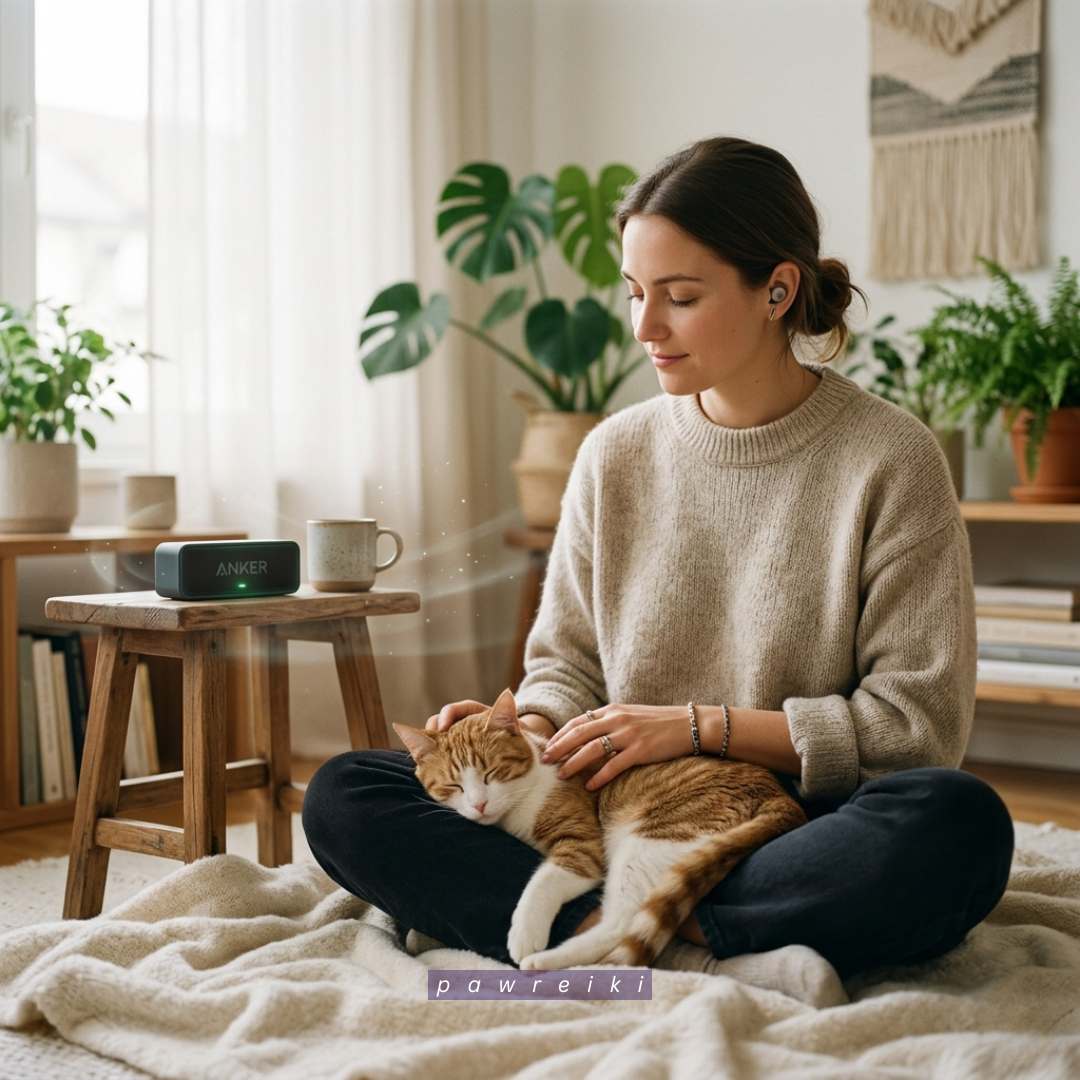
8. Stay Silent Or Play Soft Sounds
Keep things quiet, or play very soft background sounds like nature noises or gentle music. Avoid anything loud or sharp, as it can bother your cat.
If you use sound, keep the volume low and steady. Silence is often best, especially for sensitive cats. Sit calmly and let the peaceful setting help your cat relax.
Watch how your cat reacts to different sounds, and adjust as needed. The main goal is to create a calm, steady environment where your cat feels safe and relaxed.
Benefits
A quiet or softly balanced sound environment helps your cat relax deeply. It reduces anxiety, supports relaxed behaviour, and creates a peaceful setting where your cat can feel safe and comfortable.
9. Observe Your Cat’s Comfort Level
Watch your cat’s body language during meditation. Look for signs like a relaxed posture, slow blinking, or lying down—these show your cat is comfortable. If your cat seems restless or moves away, give them space right away and don’t force them to stay.
Every cat is different, so paying attention helps you figure out what works best for them. Adapt your approach to your cat’s feelings. This way, meditation will be more comfortable and helpful for your cat.
Benefits
Observing your cat helps you better understand their needs. It reduces stress, increases comfort, and ensures that meditation stays a positive, relaxing experience tailored to your cat’s behaviour.
10. End The Session Naturally Without Force
Let your cat end the session whenever they want. If your cat gets up or walks away, let them go without trying to hold them or keep the session going. End things gently and naturally so your cat never feels pressured.
It keeps the experience positive. Over time, your cat will learn that meditation is safe and comfortable, and they might choose to stay longer next time.
Benefits
Ending naturally helps your cat feel in control and relaxed. It builds trust, reduces pressure, and encourages your cat to enjoy meditation, making future sessions more comfortable and effective.
Want to Share Your Love for Pet Reiki?
Discover how rewarding it can be to bring healing energy and compassion to pets — and to share that passion online with others.
🌟 Please read: How to Make Money Within the Pet Reiki NicheTypes Of Meditation For Cats
1. Peaceful Presence Meditation
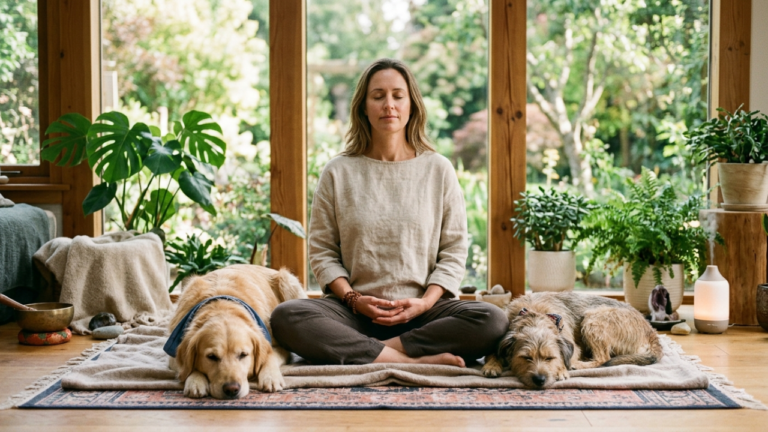
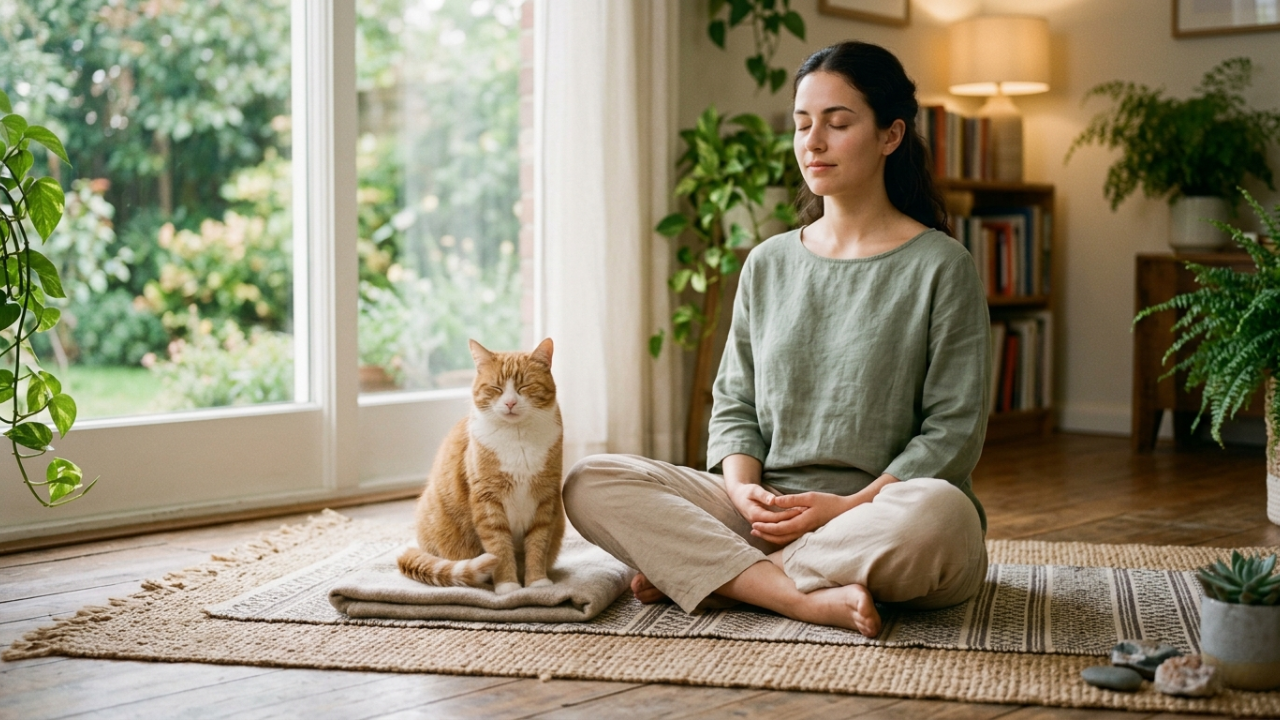
This is the easiest and most natural way to meditate with your cat. You don’t need any special tools or training. Just sit quietly near your cat without talking, touching, or trying to control what they do.
Your calm presence helps your cat feel safe. Cats are very sensitive to your mood, so if you stay still and relaxed, they’ll start to feel calm too.
Over time, this creates trust and helps your cat feel less anxious and more secure. Many owners also find this method peaceful for themselves, not just for their cats.
2. Sound-Based Meditation
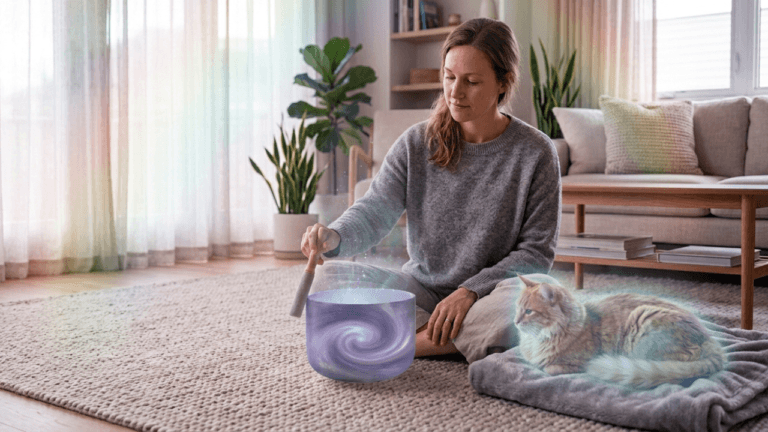
Sound-based meditation involves playing gentle sounds to help your cat feel calm. You can use nature sounds like rain, birds, or gentle wind, or play soft instrumental music.
These sounds help lower stress and make the space peaceful. Always keep the volume low, since cats have sensitive hearing and loud noises can bother them.
When used correctly, this method helps your cat relax, sleep better, and feel more at ease. It’s especially helpful for cats that get anxious or are easily startled by sudden sounds.
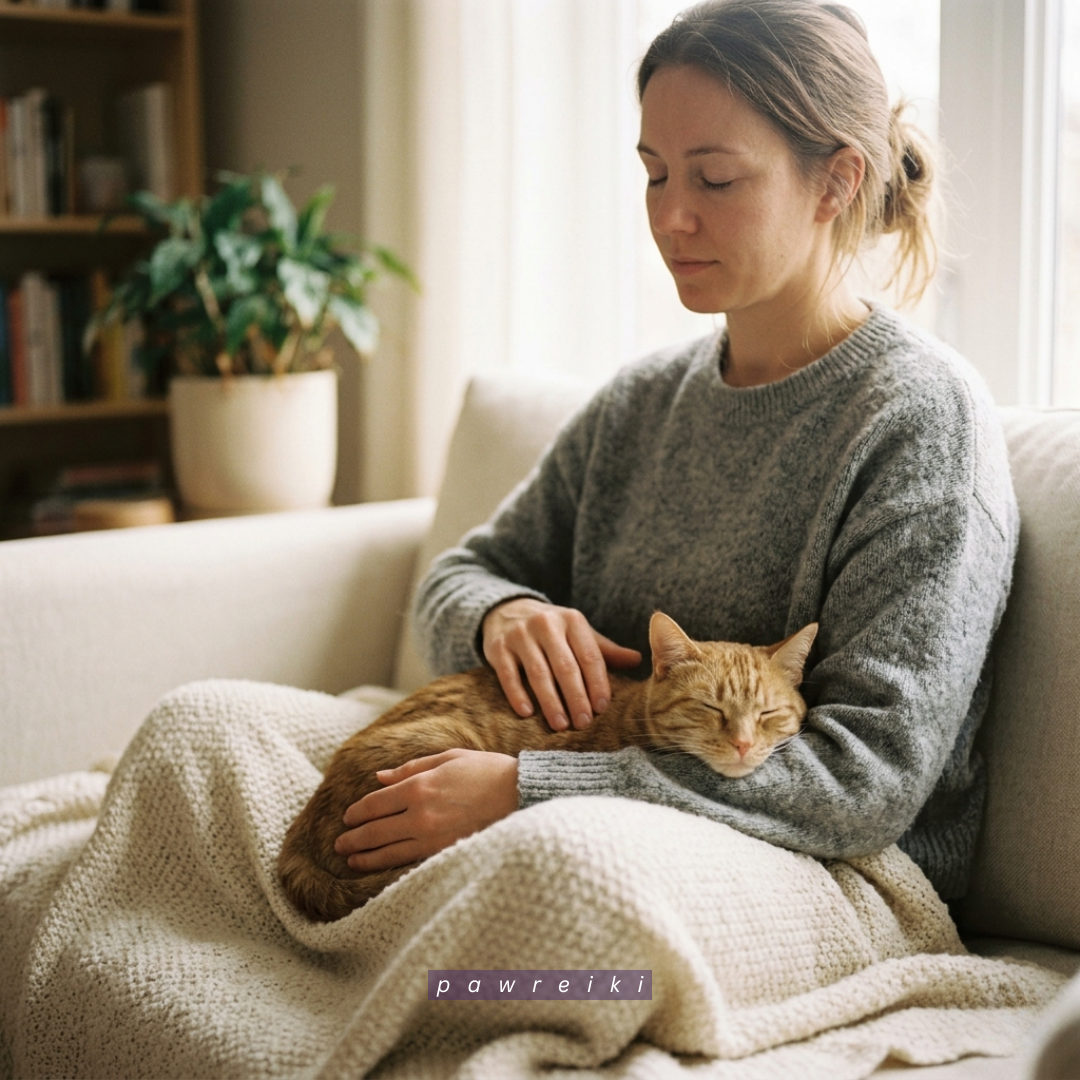
3. Touch-Based Meditation
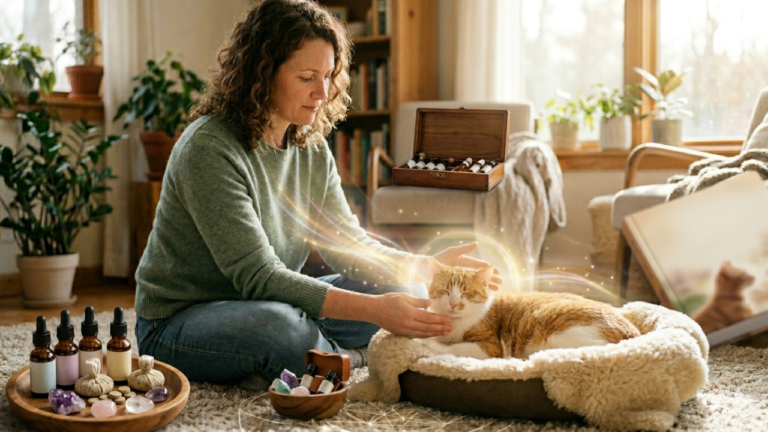
Touch-based meditation is best for cats that like being petted. Use slow, gentle, and steady strokes on your cat’s head, back, or chin—almost like a calm massage. This helps your cat relax and builds a closer bond between you.
Always respect your cat’s comfort. If they move away or seem uneasy, stop right away. When done gently, this method helps your cat feel safe, loved, and more balanced around you.
4. Window-Gazing Meditation
Window-gazing meditation lets your cat relax while watching the outside world. Cats love to watch birds, trees, moving shadows, and changes in light.
This gentle activity keeps their minds calm and engaged. Set your cat near a safe window where they can sit comfortably, and make sure the area is secure so they don’t get startled.
This method helps prevent boredom and reduces mental stress, especially for indoor cats who need something to watch. Over time, it creates a peaceful routine that supports both rest and interest.
5. Breathing Rhythm Meditation
Breathing rhythm meditation is about creating calm energy by breathing slowly and steadily. Sit near your cat and watch how they breathe, then gently match your own breathing to their relaxed pace.
You don’t need to force anything—just be aware and present. This shared rhythm helps you and your cat grow closer and more peaceful.
Even if your cat doesn’t notice, they’ll respond to the calm feeling in the room. This method is great for lowering stress and helping both you and your cat feel more balanced and relaxed together.
6. Gentle Grooming Meditation
Gentle grooming meditation means slowly brushing your cat’s fur in a calm, soothing way. Use a soft brush and move gently along the fur. This removes loose hair and helps your cat relax.
Many cats enjoy grooming because it feels comforting and familiar. Always watch your cat’s reaction and stop if they seem uncomfortable.
When done gently, this method lowers stress, strengthens your bond, and keeps your cat clean. It’s a simple way to help your cat feel good and cared for.
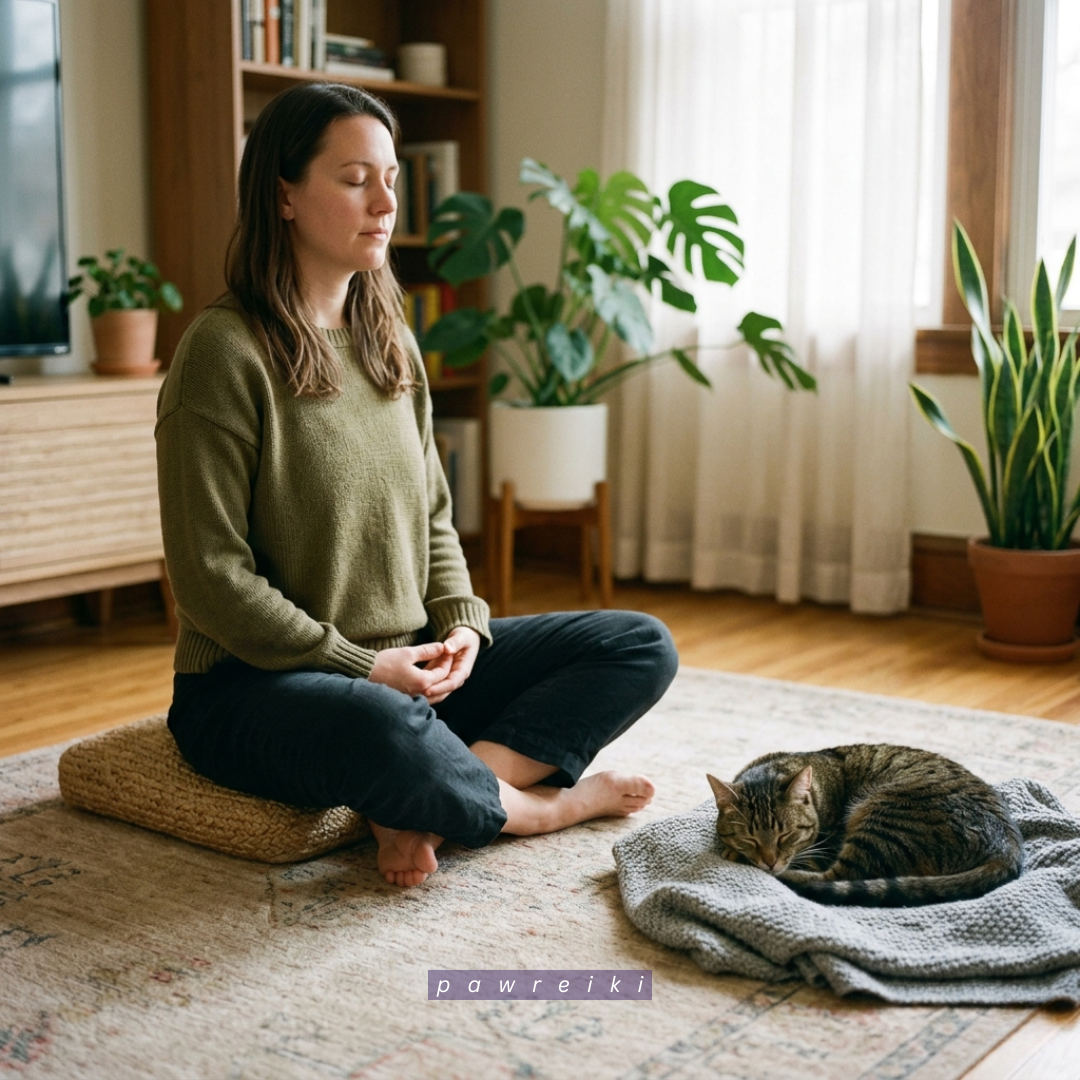
7. Floor-Sitting Meditation
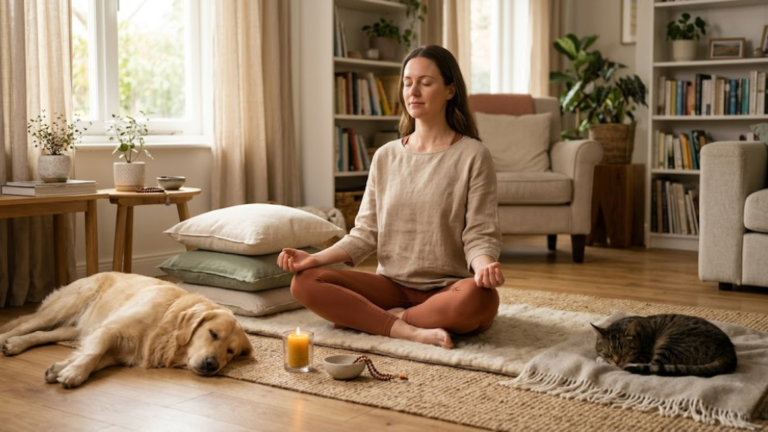
Floor-sitting meditation means sharing a calm space with your cat without expecting them to interact. Sit on the floor near your cat and just be there together. Don’t talk, play, or try to get their attention.
This creates a peaceful place where your cat can relax however they want. Over time, your cat will start to see your presence as safe and comforting.
This method works well for shy or independent cats who don’t like being touched. It creates trust slowly and helps your cat feel secure without any pressure.
8. Slow Movement Meditation
Slow movement meditation is about moving slowly and gently around your cat. Sit calmly and make your movements smooth and unhurried.
Avoid quick gestures or loud actions, since cats notice motion right away. You can stretch or adjust your position, but do it slowly. This shows your cat there’s nothing to worry about.
Over time, your cat will feel more relaxed and confident with you. This method is especially helpful for nervous or easily startled cats, as it teaches them to trust calm, steady behaviour.
Frequently Asked Questions
Q1: Can All Cats Practice Meditation?
Yes, every cat can benefit from meditation in some way. Each cat is different, though. Some like being touched, while others prefer a peaceful presence and a calm space.
Q2: How Long Should A Meditation Session For Cats Be?
Begin with 5 to 10 minutes each day. Short sessions are usually best. Daily meditation is ideal for most cats, but even a few times a week can make a noticeable difference.
This way, even if you’re busy, you can still incorporate meditation into your routine. As your cat gets used to it, they might want to stay longer and enjoy the calm without feeling forced or stressed.
Q3: What If My Cat Walks Away During Meditation?
It’s totally normal if your cat walks away. Never force them. Let them leave when they want, since meditation should always feel safe and comfortable for your cat.
Q4: Do I Need Music For Cat Meditation?
No, you don’t have to use music. Some cats like soft, relaxing sounds, but others prefer silence. Watch how your cat reacts and pick what helps them relax most.
Helpful External Resources
If you’d like to explore pet wellness, behaviour support, or gentle healing practices further, here are trusted organizations and educational resources you may find helpful:
- American Veterinary Medical Association (AVMA) – General pet health, behaviour guidance, and care resources.
- ASPCA Pet Care Library – Behaviour tips, anxiety support, and animal-care information.
- VCA Animal Hospitals: Know Your Pet – Comprehensive articles written by veterinarians.
- International Center for Reiki Training (ICRT): Animal Reiki – Introductory information and classes for working with animals.
- Shelter Animal Reiki Association (SARA) – Ethical, animal-led Reiki practices and training.
Conclusion
Meditation for cats is simple, gentle, and really works. It’s not about control; it’s about sharing calm moments with your cat. Daily meditation is best, since regular sessions help your cat feel more comfortable and relaxed over time.
But even doing it once in a while can help, and it can fit into a busy schedule. With patience and consistency, your cat will feel safer and more at ease—and you might, too.
As you practice, watch for signs that your cat is relaxing more easily, such as soft body language, slow blinking, or spending more time close to you.
Noticing these small changes can motivate you to keep going and help you celebrate your cat’s progress. Start small, keep at it, and let your cat lead the way. Sometimes, the quietest moments help you feel closest to your cat.
I trust you enjoyed this article on the Easy Guide To Meditation For Cats For Daily Relaxation. Please stay tuned for more Reiki insights, pet wellness tips, and holistic lifestyle ideas.
Take care!
— JeannetteZ 🐾💜
💬 Your Opinion Is Important To Me
Do you have thoughts, ideas, or questions? I’d love to hear from you. Please leave your comments below or email me directly at Jeannette@pawreiki.com.
📚 More PawReiki Reads — Discover Energy Healing & Holistic Pet Wellness
💜 My #1 Recommendation for Online Success
Reiki has brought so much peace and purpose to my life, and sharing it online has been a true blessing. If you’ve ever dreamed of creating a gentle income stream around your love for animals and holistic healing, this platform gives you all the tools, training, and community support you need — no tech experience required.
🌟 See How Reiki Lovers Build Online Income — Try WA FreeNo credit card required · Free starter training included
Disclosure
This post may contain affiliate links. As an Amazon Associate and participant in other affiliate programs, I earn from qualifying purchases at no extra cost to you. Please read my full affiliate disclosure.