Animal Aura And Chakra Reading: A Complete Beginner’s Guide
Animal aura and chakra reading is a gentle energy-based practice that explores the emotional, spiritual, and energetic well-being of animals.
Many pet owners use these holistic concepts to deepen their bond with their animal companions. While every animal is unique, people experience and interpret subtle energy differently.
This beginner-friendly guide explains the basics of this holistic practice, common techniques, and practical ways to develop greater awareness while strengthening your connection with your pet.
What Is Animal Aura And Chakra Reading?
This holistic practice involves observing and interpreting the energetic field surrounding an animal and the energy centres within its body.
Many holistic practitioners believe that animals, like humans, possess subtle energy systems that influence their emotions, behaviour, and overall vitality.
The aura is often described as an energetic field that extends beyond the physical body. It is believed to reflect emotional states, personality traits, and overall energy levels.
Chakras are described as energy centres throughout the body that help regulate the flow of energy. Within holistic traditions, balanced chakras are thought to support physical, emotional, and spiritual well-being.
This practice focuses on identifying energetic patterns and exploring how they may relate to an animal’s experiences. Many people find this practice helpful for strengthening their bond with their pets and becoming more aware of subtle emotional and behavioural changes.
How Animal Aura And Chakra Reading Works
This holistic practice is often approached as a gentle, intuitive process rather than a precise technique. It encourages patience, careful observation, and an open mind while exploring an animal’s subtle energy and emotional well-being.
There is no single method that works for everyone. Some people focus on body language and behaviour, while others combine Reiki, meditation, or quiet reflection to develop a deeper connection with their animal companion.
The following techniques introduce some of the most common ways to explore an animal’s energy. They provide a practical starting point for beginners who want to explore this holistic practice.
1. Observing The Animal’s Energy Field
The animal’s energy reading often begins by quietly observing the animal’s overall energy and behaviour. Spend a few moments watching your pet’s posture, facial expressions, movement, and interactions before forming any impressions.
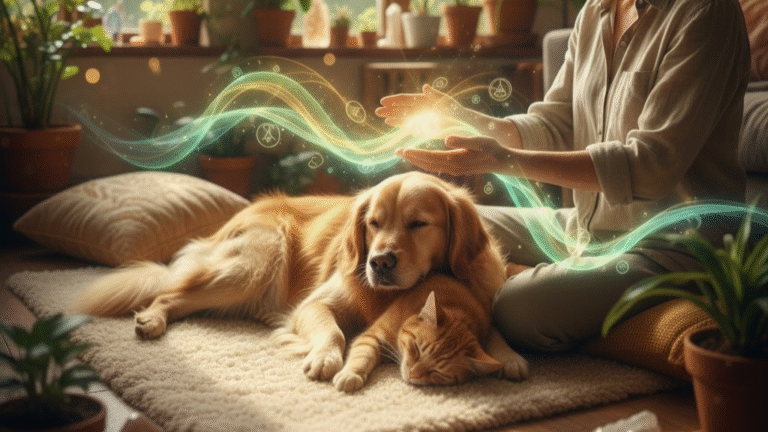
These observations may provide helpful clues about your animal’s emotional and energetic state. For example, a relaxed dog resting comfortably beside its owner may appear calm and content, while a cat confidently exploring its surroundings may suggest a balanced energy field.
Taking time to observe before interpreting energetic impressions creates a stronger foundation for a thoughtful and meaningful reading.
2. Identifying Aura Colours And Their Meanings
This holistic energy reading practice often includes exploring aura colours and their traditional meanings. Some people believe they perceive colours visually, while others describe experiencing them through intuition, emotions, or a general sense of awareness.
For example, a bright green aura is traditionally associated with healing, growth, and emotional balance. A blue aura is often linked to calmness, trust, and peaceful communication.
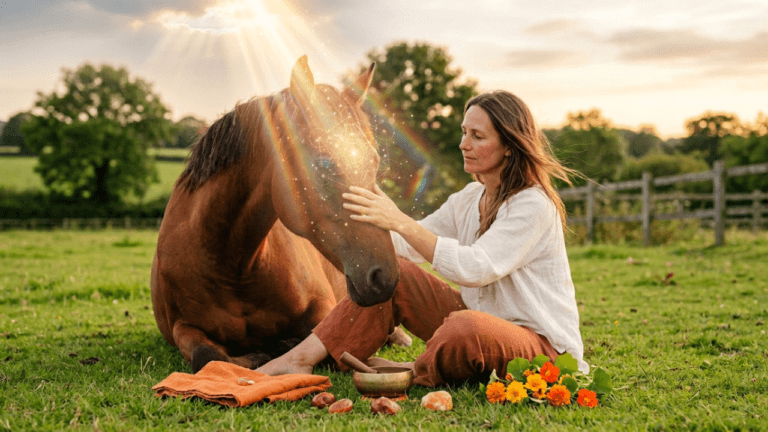
Within holistic traditions, a horse with a vibrant yellow aura may represent curiosity and confidence. These colour interpretations are considered gentle guidelines rather than fixed rules, helping people explore an animal’s emotional and energetic well-being.
3. Examining The Root Chakra For Stability
The Root Chakra is associated with security, safety, and physical well-being. For this reason, it is often one of the first energy centres explored during the readings.
Examining the Root Chakra may provide insight into how grounded and secure an animal feels. For example, a rescue dog adjusting to a new home may show signs of imbalance through nervous behaviour or hesitation.
As trust develops and the environment becomes familiar, the Root Chakra is believed to become more balanced. Exploring this chakra may offer helpful insight into an animal’s comfort level and overall sense of security.
4. Assessing Emotional Energy Through The Heart Chakra
The Heart Chakra is one of the most commonly explored energy centres in animal chakra and aura reading. It is associated with love, trust, compassion, and emotional connection.
A balanced Heart Chakra may be reflected in affectionate behaviour and strong bonds with family members. For example, a dog that eagerly greets its owner and enjoys close interaction may demonstrate healthy Heart Chakra energy.
Observing emotional responses and relationship patterns can provide valuable insight into an animal’s well-being. These observations may also help explain how an animal experiences companionship, connection, and trust.

5. Understanding Communication Through The Throat Chakra
This holistic animal reading practice often includes exploring the Throat Chakra because communication extends far beyond spoken sounds. Animals communicate through body language, vocalizations, energy, and behaviour.
A balanced Throat Chakra may be reflected in confident and natural communication. For example, a parrot that interacts comfortably with family members may demonstrate balanced Throat Chakra energy.
An animal that appears shy or struggles to express its needs may benefit from additional support and reassurance. Observing communication patterns can provide valuable insight into how comfortably an animal expresses itself and interacts with others.
This understanding can strengthen the bond between pets and their caregivers by encouraging greater awareness and more responsive interaction.
6. Using Intuition During The Reading Process
Intuition is an important aspect during the reading process. While observation provides visible clues, intuition encourages a deeper awareness of subtle impressions that may not be immediately obvious.
During a reading, some people describe sensing emotions such as excitement, calmness, curiosity, or comfort while interacting with an animal. For example, someone working with a horse may intuitively experience a strong sense of confidence and freedom.
These impressions are considered alongside observable behaviour to create a more complete understanding of the animal. With time and practice, many people find that their intuition becomes a valuable tool for exploring animal energy more deeply.
7. Recognizing Energy Imbalances And Patterns
These readings involve looking for energetic patterns rather than focusing on isolated observations. Instead of relying on a single sign, it considers how different chakras and aura qualities work together to create an overall picture.
For example, an energetic puppy may display strong Solar Plexus energy associated with confidence and curiosity. At the same time, a calm blue aura is traditionally linked to emotional stability.
Observing these patterns may provide a deeper understanding of an animal’s emotional and energetic well-being. Considering multiple indicators encourages a more balanced and thoughtful interpretation.
8. Supporting Energy Balance After The Reading
The final stage of the animal energy reading focuses on supporting energetic balance and maintaining a positive connection with your animal. Many pet owners use what they have learned to create a more comfortable, supportive, and enriching environment.
For example, if a reading suggests that a dog may benefit from grounding activities, spending more time outdoors or enjoying interactive play sessions may help. If a cat appears emotionally sensitive, providing a quiet resting space may encourage relaxation and a greater sense of security.
Animal aura and chakra reading is not simply about observation. It also encourages thoughtful actions that support emotional well-being, comfort, and stronger relationships between animals and their caregivers.
9. Exploring The Third Eye Chakra For Intuition And Awareness
The Third Eye Chakra plays an important role in aura and chakra readings because animals naturally rely on instinct and intuition. This chakra is associated with perception, awareness, and sensitivity to the surrounding environment.
For example, some dogs may sense a visitor approaching before anyone hears a knock at the door. Horses often demonstrate a strong awareness of subtle changes in mood and atmosphere.
Exploring the Third Eye Chakra may provide insight into an animal’s natural instincts and awareness. Within holistic traditions, a balanced chakra in this area is believed to support confidence, alertness, and instinctive responses.
10. Evaluating The Crown Chakra For Spiritual Connection
The Crown Chakra is commonly associated with spiritual awareness, inner harmony, and a connection to universal energy. In animal energy readings, it is believed to reflect an animal’s sense of peace and overall energetic balance.
For example, an older pet that remains calm, gentle, and content in different situations may demonstrate balanced Crown Chakra energy. These qualities are often associated with a relaxed and harmonious state.
Within holistic traditions, the Crown Chakra completes the energetic picture by offering additional insight into an animal’s overall well-being. It is also believed to be connected with wisdom, tranquillity, and spiritual awareness.

Common Challenges In Animal Aura And Chakra Reading
Animal aura and chakra reading is a personal and intuitive practice. Like any new skill, it takes time, patience, and an open mind to develop confidence and understand subtle energy concepts.
Many beginners experience similar challenges as they learn to observe, interpret, and trust their impressions. It is perfectly normal to gain confidence gradually as your understanding grows through practice and experience.
Understanding these common obstacles can help you approach the practice with realistic expectations. It also encourages a deeper connection with your animal companion while developing greater awareness over time.
1. Distinguishing Intuition From Personal Assumptions
One of the most common challenges is distinguishing genuine intuitive impressions from personal assumptions. When we care deeply about an animal, it can be easy to interpret energy through the lens of our own emotions.
For example, a pet owner who worries about their companion may assume the animal feels stressed, even when it appears relaxed and comfortable.
Taking a few moments to record your observations before drawing conclusions can be a helpful practice. Focusing on what is actually observed rather than what is expected often leads to clearer insights and more balanced interpretations.
Over time, this approach can help build confidence while encouraging a more thoughtful understanding of your animal’s energy.
2. Reading An Animal That Is Distracted Or Restless
Animals naturally respond to sounds, movements, scents, and activity in their surroundings. This can make it more challenging to explore an animal’s aura and chakras when a pet is excited, playful, or easily distracted.
For example, a young puppy may constantly move around the room, making it difficult to focus on subtle energetic impressions. Rather than forcing a session, it is often better to wait until the animal is naturally calm and relaxed.
Scheduling a reading after exercise, playtime, or a peaceful walk may help create a more relaxed environment. Working with an animal’s natural rhythm often leads to a more comfortable and enjoyable experience for both the pet and the person carrying out the reading.
3. Interpreting Aura Colours With Confidence
Many beginners find interpreting aura colours challenging because each experience can be different. Some people believe they perceive colours visually, while others describe receiving intuitive impressions without actually seeing them.
For example, one person may associate a green aura with healing and growth, while another may connect it with emotional balance. Within holistic traditions, both interpretations may be considered meaningful depending on the situation.
Keeping a journal of colour impressions alongside an animal’s behaviour can be a helpful practice. Over time, this may build confidence, improve understanding, and reduce confusion when exploring energetic meanings.
4. Understanding Unique Animal Personalities
Every animal has a unique personality, and this individuality can sometimes make the readings more challenging. A naturally reserved cat may express its energy differently from an outgoing dog, even when both are emotionally balanced.
For example, a quiet rabbit may prefer to observe its surroundings rather than actively seek interaction. This behaviour reflects its personality rather than an energetic imbalance.
Spending time learning an animal’s normal habits before carrying out a reading can be very helpful. Understanding baseline behaviour makes it easier to distinguish between personality traits and genuine energetic changes, leading to more thoughtful and meaningful interpretations.
5. Maintaining Focus During Longer Readings
Maintaining concentration can be difficult during longer animal energy reading sessions. Mental distractions, environmental noise, and physical fatigue may affect your ability to stay focused and notice subtle impressions.
For example, someone carrying out a reading in a busy household may find it difficult to concentrate when people are moving around, or conversations are taking place nearby. Creating a quiet, comfortable space before you begin can help reduce distractions.
Taking short breaks during longer sessions may also improve concentration and help you stay refreshed. A calm, focused approach often makes it easier to observe subtle energetic patterns and emotional impressions.

6. Reading Animals With Past Trauma
Animals that have experienced neglect, abandonment, or other difficult life circumstances may present unique challenges during aura and chakra readings. As trust develops, they may appear cautious or guarded in their responses.
For example, a rescue dog may initially avoid eye contact and remain hesitant around unfamiliar people. Allowing the animal to approach at its own pace often helps build trust and creates a more positive experience.
Patience and consistency can help the animal feel safe and secure. Over time, this gentle approach may encourage it to relax and express its natural energy more comfortably.
7. Avoiding Overinterpretation Of Small Signals
During animal aura and chakra reading, beginners sometimes assign too much meaning to small behaviours or subtle energetic impressions. Looking at the bigger picture often provides a clearer understanding than focusing on a single event.
For example, a dog shifting its position during a session may simply be trying to get comfortable rather than expressing an energetic imbalance. Looking for recurring patterns instead of isolated observations can help provide a more balanced perspective.
Taking notes over multiple sessions may help identify meaningful themes that appear consistently over time. This approach also reduces the temptation to overanalyze minor details that may have little lasting significance.
8. Building Confidence As A Beginner
Building confidence is one of the biggest challenges for people learning about animal auras and chakras. Many beginners question their observations and wonder how to interpret their impressions.
For example, someone may sense a calm blue energy around a pet but hesitate to explore what it might mean. Confidence often develops through regular practice, careful observation, and personal reflection.
Starting with familiar animals whose personalities and behaviours are already well understood can be especially helpful. Comparing your observations over time may reveal meaningful patterns and gradually build confidence in your intuitive and observational skills.
9. Balancing Energy Reading With Physical Observation
Animal aura and chakra reading works best when energetic impressions are considered alongside observable behaviour. Paying attention to both can provide a more balanced understanding of an animal’s overall well-being.
For example, a pet that seems unusually quiet may simply be tired after a busy day rather than experiencing an energetic imbalance. Combining aura observations with body language, activity levels, and behavioural changes can help create a clearer picture.
Looking for both energetic and physical patterns encourages a thoughtful approach to each reading. It also helps keep your observations practical, balanced, and grounded.
10. Staying Patient While Developing Skills
Patience is essential when learning about animal auras and chakras because awareness of subtle energy often develops gradually. Some people notice impressions quickly, while others build their understanding over time.
For example, a beginner may initially focus only on behaviour and later become more aware of subtle emotional or energetic patterns.
Viewing each reading session as a learning experience rather than a test can help reduce pressure and encourage steady progress.
Keeping notes, practising regularly, and remaining open to new experiences all support continued learning. Over time, patience and consistent practice can help build confidence while deepening your understanding of your animal’s energy.

FAQs
Q1: Which Animals Can Benefit From Animal Aura And Chakra Reading?
It may be used with many animals, including dogs, cats, horses, rabbits, birds, and other companion animals. Within holistic practices, every species is believed to have unique energy patterns that may provide helpful insights during a reading.
Q2: How Often Should Animal Aura And Chakra Reading Be Performed?
The frequency depends on the individual animal and the owner’s goals. Some people choose to perform animal aura and chakra readings monthly, while others use it whenever they notice behavioural changes or want to strengthen their connection with their pets.
Q3: Is Animal Aura And Chakra Reading Connected To Animal Chakra Healing?
Yes, these readings are often combined with animal chakra healing. A reading may help identify energetic patterns, while chakra healing is believed to encourage balance, relaxation, and overall energetic well-being.
Q4: Can Animal Aura And Chakra Reading Replace Veterinary Care?
No. Animal aura and chakra reading is considered a complementary wellness practice and should never replace professional veterinary care. While it may provide additional insights into an animal’s emotional and energetic well-being, a veterinarian should always be consulted to diagnose and treat health concerns.
Q5: Do I Need Special Training To Learn Animal Aura And Chakra Reading?
No. Many people begin by learning the basic concepts, observing their animals, and practising regularly. Like any holistic practice, confidence and understanding often develop gradually through experience and reflection.
Q6: Can Beginners Learn Animal Aura And Chakra Reading?
Yes. Beginners can explore this holistic reading practice by approaching it with patience, an open mind, and realistic expectations. Focusing on careful observation, keeping notes, and learning over time can help build confidence and deepen your understanding.
Helpful External Resources
If you’d like to explore pet wellness, behaviour support, or gentle healing practices further, here are trusted organizations and educational resources you may find helpful:
- American Veterinary Medical Association (AVMA) – General pet health, behaviour guidance, and care resources.
- ASPCA Pet Care Library – Behaviour tips, anxiety support, and animal-care information.
- VCA Animal Hospitals: Know Your Pet – Comprehensive articles written by veterinarians.
- International Center for Reiki Training (ICRT): Animal Reiki – Introductory information and classes for working with animals.
- Shelter Animal Reiki Association (SARA) – Ethical, animal-led Reiki practices and training.
Conclusion
Exploring an animal’s aura and chakras offers a unique way to better understand its energetic and emotional world. By observing aura colours, learning about the chakra system, and reflecting on intuitive impressions, you can develop a deeper appreciation for your animal companion.
Every animal is unique, and each may express its energy differently. With patience, regular practice, and careful observation, you can gradually build confidence while strengthening the bond you share.
This holistic practice is not about finding perfect answers. It is about building meaningful connections, encouraging greater understanding, and supporting your pet’s overall well-being through mindful observation and compassionate care.
I trust you enjoyed this article on Animal Aura and Chakra Reading: A Complete Beginner’s Guide. Please stay tuned for more Reiki insights, pet wellness tips, and holistic lifestyle ideas.
Take care!
— JeannetteZ 🐾💜
💬 Your Opinion Is Important To Me
Do you have thoughts, ideas, or questions? I’d love to hear from you. Please leave your comments below or email me directly at Jeannette@pawreiki.com.
📚 More PawReiki Reads — Discover Energy Healing & Holistic Pet Wellness
💜 My #1 Recommendation for Online Success
Reiki has brought so much peace and purpose to my life, and sharing it online has been a true blessing. If you’ve ever dreamed of creating a gentle income stream around your love for animals and holistic healing, this platform gives you all the tools, training, and community support you need — no tech experience required.
🌟 See How Reiki Lovers Build Online Income — Try WA FreeNo credit card required · Free starter training included
Disclosure
This post may contain affiliate links. As an Amazon Associate and participant in other affiliate programs, I earn from qualifying purchases at no extra cost to you. Please read my full affiliate disclosure.