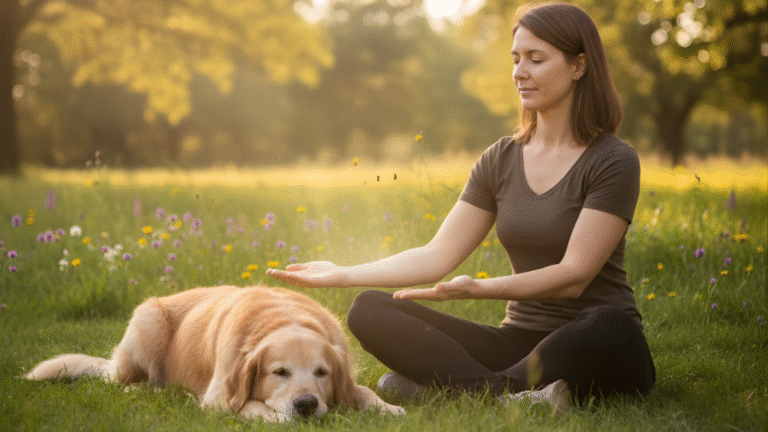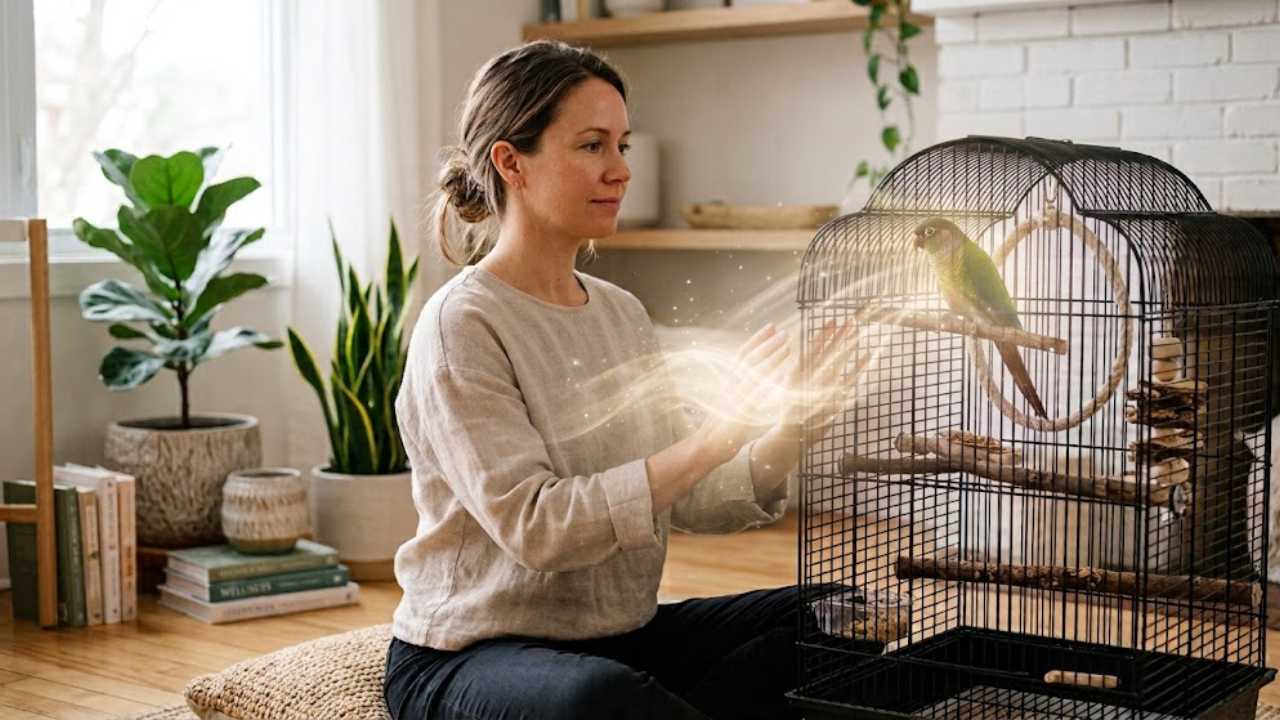
Reiki For Pet Birds: 7 Gentle Steps To Try At Home
Reiki for pet birds offers a gentle way to create peaceful moments with feathered companions at home. The focus is on calm presence and allowing each bird to respond in its own way.
Birds can be particularly sensitive to movement, sound, handling, and changes in their surroundings. You can share Reiki quietly without touching or restraining them, making it well-suited to their need for personal space.
A session might take place while your bird rests comfortably on a perch, spends time in their cage or aviary, or stays nearby. Physical contact is never necessary for sharing Reiki.
Watching your bird’s body language can help guide each experience. Some birds may remain nearby and relax, while others may prefer more distance or decide to move elsewhere.
This guide explores how Reiki can be introduced to pet birds, gentle ways to share it, and practical tips for creating a calm and comfortable experience.
What Is Reiki For Pet Birds?
Reiki is a complementary wellness practice centred around calm presence, relaxation, and gentle energy. When sharing Reiki with a pet bird, the experience can be especially quiet and respectful of the bird’s personal space.
Unlike a traditional hands-on Reiki session, Reiki for birds does not require physical contact. Your bird can remain on a familiar perch, inside their cage, or elsewhere in a comfortable space while you sit quietly nearby.
This approach is particularly suitable for birds because they can be sensitive to unfamiliar handling, sudden movements, and changes in their surroundings. Moving a hand toward a bird that prefers not to be touched could make an otherwise peaceful experience uncomfortable.
Instead of doing something to your bird, Reiki can become a quiet practice you share in the same space. Your bird remains free to move closer, stay where they are, or create more distance whenever they choose.
Reiki is best viewed as a complementary wellness practice rather than a treatment for health conditions. Its value here lies in creating peaceful, intentional moments while respecting your bird’s individual behaviour and preferences.
Benefits Of Reiki For Pet Birds
Reiki can create opportunities for quiet, focused time between pet birds and the people who care for them. Because physical contact is unnecessary, birds can remain comfortable in familiar surroundings throughout the experience.
A calm Reiki routine also encourages pet parents to slow down and pay closer attention to their bird’s behaviour. Subtle changes in posture, movement, vocalization, and willingness to remain nearby can all help guide the session.
For birds that prefer limited handling, hands-off Reiki offers a way to share peaceful time without requiring touch. The bird remains free to choose its distance and continue with its normal activities.
Regular sessions can also become part of a familiar Reiki routine alongside rest, quiet interaction, or other peaceful periods at home. Keeping the setting consistent may make the experience feel more predictable.
The following benefits focus on the relaxation, connection, observation, and peaceful routine that can surround Reiki sessions with pet birds.
1. Provides Quiet Time For Observation
A calm Reiki session creates an opportunity to spend quiet time observing your bird without actively handling them. Sitting nearby allows you to notice their usual movements, posture, vocalizations, and interactions with their surroundings.
These peaceful moments can help you become more familiar with your bird’s individual habits and behaviour. Over time, you may notice subtle changes simply because you spend focused time together regularly.
Observation also keeps the session centred on your bird’s choices. Their posture, movement, and willingness to remain nearby can help guide how long you stay and how much distance feels comfortable.
2. Encourages Gentle, Low-Pressure Interaction
Reiki can offer a gentle way to spend time with your bird without requiring physical contact. Your bird can remain on a familiar perch or inside their cage while you sit quietly nearby.
This low-pressure approach allows your bird to decide how much interaction feels comfortable. They may remain where they are, move closer, continue their usual activities, or create more distance.
Allowing your bird to make those choices keeps the experience centred around their comfort and personal space. Over time, these quiet sessions can become another peaceful way of strengthening your bond.
3. Helps Establish A Predictable Routine
Regular Reiki sessions can become a familiar part of your bird’s daily or weekly routine. Choosing a similar time and keeping the surroundings peaceful can make these quiet moments feel consistent and recognizable.
A predictable routine also gives you regular opportunities to notice your bird’s usual behaviour and daily patterns. Becoming familiar with these patterns is an important part of everyday pet bird care and can help you understand your individual bird more closely.
No session needs to follow an exact schedule or last the same amount of time. Let your bird’s behaviour guide the experience while keeping the overall routine gentle, familiar, and flexible.
4. Respects Your Bird’s Personal Space
Hands-off Reiki allows your bird to remain in a familiar place without being held, restrained, or encouraged to interact. This can be especially suitable for birds that prefer more distance or are sensitive to physical handling.
Your bird can stay on a favourite perch, remain inside their cage, or move around normally while you sit quietly nearby. You don’t need to interrupt what they are doing to begin a Reiki session.
Giving your bird control over distance keeps the experience gentle and flexible. Their choices can guide where you sit, how long you remain, and whether the session continues.
5. Creates Peaceful Shared Moments
Reiki can provide an opportunity to spend peaceful time in the same space as your bird. You don’t need constant interaction, touching, talking, or trying to encourage your bird to respond.
You might sit quietly nearby while your bird rests, preens, plays, or watches what is happening around them. These ordinary moments allow Reiki to become part of relaxed companionship rather than a structured activity your bird must participate in.
Sharing this quiet time can also encourage you to slow down and be fully present with your bird. Similar moments of meditating with animals can create space for peaceful connection without requiring constant interaction.
6. Creates A Calm Moment For Pet Parents
Sharing Reiki with your bird also gives you an opportunity to slow down and enjoy a few peaceful moments. Sitting quietly nearby can provide a welcome pause from the usual activity and distractions of the day.
This quieter pace encourages you to focus on your bird and the moment you are sharing. You don’t need to achieve a particular result or encourage your bird to behave differently.
Simply being present can make the session enjoyable for both of you. Whether your bird rests nearby, preens, plays, or carries on with its usual activities, the time can stay centred on calm companionship.

How To Practice Reiki For Pet Birds At Home
Practising Reiki with a pet bird at home can be simple and peaceful. You do not need special equipment or an elaborate setup, and your bird can remain in a familiar environment throughout the session.
Choose a quiet time when your bird is comfortable, and the surroundings are relatively calm. Sitting nearby rather than approaching immediately allows your bird to decide how much distance feels right.
Hands-on contact is not necessary when sharing Reiki with birds. You can rest your hands comfortably in your lap or use gentle hands-off positions while allowing your bird to continue resting, preening, playing, or observing you.
Keep the first sessions relaxed and flexible rather than worrying about how long they should last. Your bird’s behaviour can help guide the pace and tell you when they have had enough.
The following steps provide a gentle way to introduce Reiki while respecting your bird’s personal space, familiar routine, and freedom to choose how they participate.
1. Choose A Familiar And Peaceful Space
Start by choosing a place where your bird already feels comfortable. Their usual cage, favourite perch, or another familiar area can work well without requiring them to move somewhere new.
Keep the surroundings reasonably calm, and maintain your bird’s normal routine as much as possible. Reduce unnecessary noise and move slowly and predictably around their space.
Complete silence is not necessary. Familiar household sounds can continue in the background while you create a peaceful time to sit quietly together.
Helpful Starting Points
- Keep your bird in their familiar environment.
- Sit nearby rather than reaching toward them immediately.
- Use slow, predictable movements.
- Keep the first session brief.
- Let your bird choose whether they want to come closer.
2. Begin With Your Own Breathing
Before focusing on your bird, take a moment to settle yourself. Sit comfortably and allow your breathing to slow naturally while your hands rest quietly in your lap.
Spend a minute noticing your posture and surroundings before beginning. Starting calmly can help keep your movements slow and predictable rather than making the session feel rushed.
Birds are sensitive to movement, sound, and activity around them. A quiet human presence can therefore help create a peaceful setting where your bird can continue behaving naturally.
You may also choose a simple intention, such as sharing a peaceful moment with your companion bird. No complicated preparation is necessary; a calm beginning keeps the practice simple and easy to repeat.
3. Let Your Bird Choose The Distance
Your bird does not need to sit on your hand or come close to you during a Reiki session. They can remain comfortably on a familiar perch while you sit several feet away.
This hands-off approach can be especially suitable for shy, newly adopted, or cautious birds that are still becoming familiar with you and their surroundings. You don’t need to reduce the distance just because the session has begun.
Rest your hands comfortably in your lap or hold them gently in front of you while following the Reiki method you normally use. Allow your bird to remain where they feel comfortable or move farther away whenever they choose.
Giving your bird control over the distance keeps the experience gentle and low-pressure. The session becomes an invitation for quiet companionship rather than forced interaction.
4. Use Hands-Off Reiki First
Hands-off Reiki can be a gentle starting point when practising with a pet bird. Sit comfortably near the cage or perch, leaving enough space for your bird to stay relaxed.
Rest your hands quietly in your lap or hold them gently in front of you, depending on the Reiki method you normally use. You can focus on sharing peaceful, supportive energy without moving your hands toward your bird.
You don’t need to follow a particular distance or repeatedly adjust your position. Instead, allow your bird’s behaviour to guide the session while you remain quietly present.
Your bird may continue eating, preening, resting, playing, or exploring while you practice Reiki nearby. Letting them carry on naturally keeps the experience relaxed and centred around their choices.

5. Watch Your Bird’s Body Language
A meaningful Reiki session is not measured by how still your bird becomes. Instead, pay attention to what is normal for your individual bird and notice their posture, movements, vocalizations, and general behaviour.
Your bird may continue preening, playing, resting, or moving around during the session. These everyday activities do not mean that you need to change what you are doing or encourage them to become still.
If your bird moves away or appears uncomfortable when you change your position, respect that response. Lower your hands, increase the distance, or return your hands to your lap.
Learning your bird’s usual body language takes time. The most helpful approach is to observe without assuming how your bird feels and allow their choices to guide the session.
6. Try Gentle Hand Positions Without Touching
Once your bird is comfortable with your presence, you can explore gentle Reiki hand positions while maintaining a distance that feels comfortable for them. You don’t need to move your hands directly toward your bird.
Begin with your hands resting quietly in your lap. You can gradually raise or reposition them while observing how your bird responds to the movement.
If your bird stays comfortable, continue with the hands-off position you chose. If they move away or appear unsettled, lower your hands or increase the distance between you.
Keeping the hand positions flexible allows your bird’s behaviour to guide the session. This approach respects their personal space while allowing you to practice Reiki quietly nearby.
7. Keep The First Sessions Short
A first Reiki session can be only a few minutes long. Starting with a short period of quiet presence can introduce the experience without making it feel unfamiliar or prolonged.
During that time, sit quietly near your bird, breathe naturally, and practice your preferred Reiki technique. Allow your bird to continue with their usual activities while you observe how comfortable they seem.
Keeping the first sessions brief also makes it easier to follow your bird’s cues. You don’t need to keep going just because you planned to practice for a certain amount of time.
When your bird seems comfortable with these peaceful sessions, you can gradually let them last a little longer. The goal isn’t the number of minutes, but creating a relaxed experience that fits naturally into your bird’s routine.
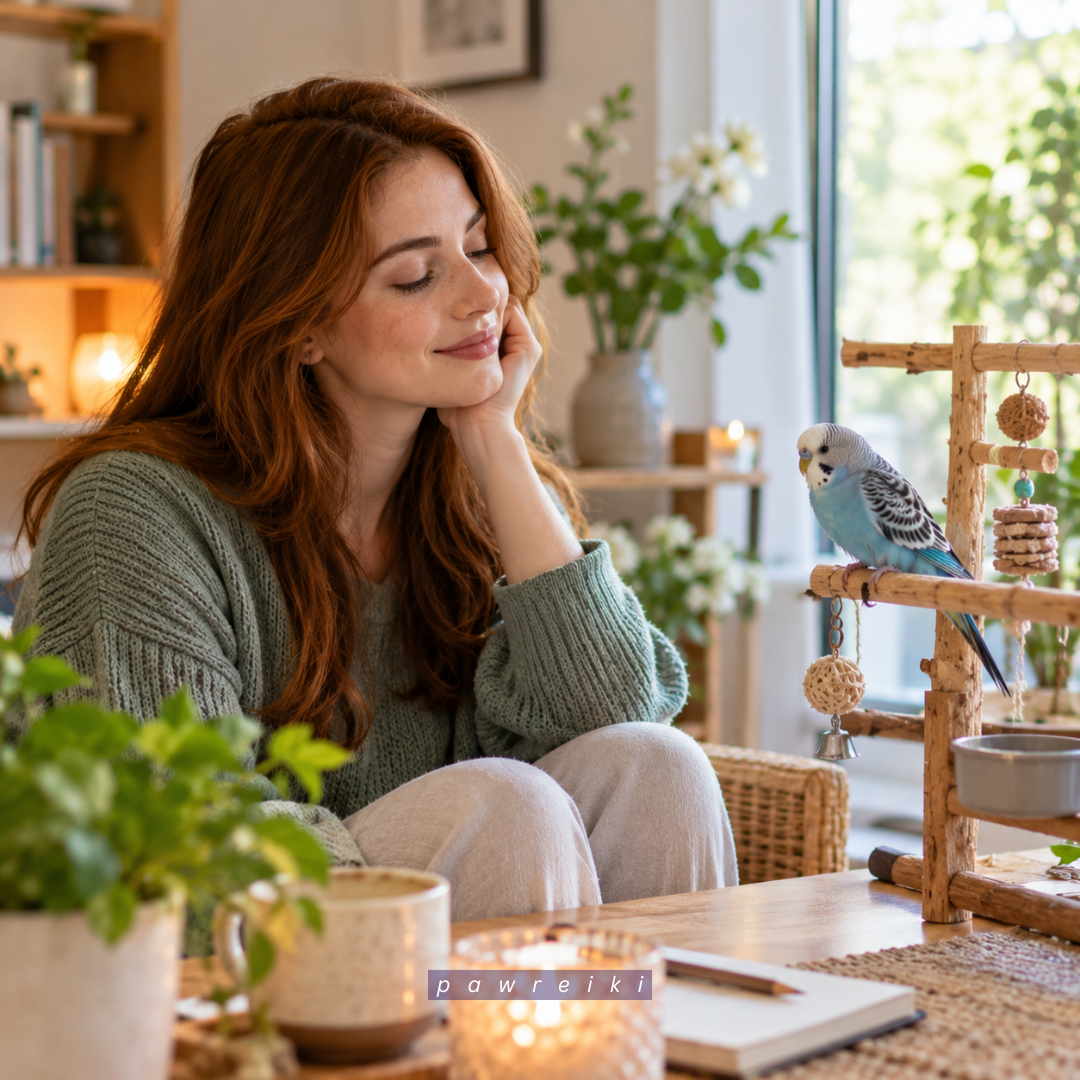
A Simple 10-Minute Reiki Routine For Your Bird
Once you are familiar with the basics, a simple routine can make it easier to practice Reiki with your bird at home. It gives you a gentle structure to follow without making the experience rigid.
This 10-minute routine combines quiet presence, observation, hands-off Reiki, and plenty of freedom for your bird to choose how they participate.
Each stage has a simple purpose, from settling yourself and setting an intention to quietly sharing Reiki and allowing your bird to guide the experience.
The timing is only a guide rather than a rule. You can shorten a stage, spend a little longer on another, or finish the session early when that feels appropriate.
Most importantly, allow the routine to remain flexible. Your bird can rest, preen, play, explore, or watch you while you enjoy a peaceful Reiki session together.
Minute 1–2: Settle Yourself
Sit comfortably near your bird and give yourself a moment to slow down. Relax your shoulders, rest your hands in your lap, and let your breathing settle naturally.
Keep your movements slow and predictable, and let your bird remain in their usual space. No need to approach them or encourage them to come closer.
Use these first two minutes to shift your attention away from distractions and toward the quiet moment you are sharing. You can also set a simple Reiki intention, such as offering peaceful energy or being fully present with your bird.
Beginning this way creates a gentle transition into the Reiki session without asking anything from your bird. They can continue resting, preening, playing, or watching you while you settle into the practice.
Minute 3–4: Observe
Spend these two minutes quietly observing your bird. Notice their usual posture, movements, vocalizations, preening, eating, resting, or other familiar activities.
You don’t need to reach toward your bird or try to attract their attention. Simply let them continue what they were doing while you remain quietly present.
Pay attention to the small details that make up your bird’s individual body language and personality. They may fluff their feathers, change perches, look around, vocalize, or continue calmly with their normal routine.
These two minutes are about observing rather than interpreting every movement. Becoming familiar with your bird’s natural behaviour can help you follow their cues as the Reiki session continues.
Minute 5–7: Practice Hands-Off Reiki
Now begin sharing Reiki while maintaining a comfortable distance from your bird. Rest your hands quietly in your lap or hold them gently in front of you, depending on the Reiki method you prefer.
Keep your movements minimal and allow your bird plenty of freedom to move around. No need to bring your hands closer or change positions when your bird is already comfortable.
Bring your attention back to the Reiki intention you set at the beginning of the session. Remain quietly present while allowing the experience to unfold without expecting a particular response.
Your bird can continue resting, preening, eating, playing, exploring, or observing you. Reiki can remain part of the peaceful moment without interrupting whatever your bird chooses to do.
Minute 8–9: Allow Choice
Give your bird complete freedom to decide whether they want to remain nearby or move elsewhere. Their choices can continue to guide the Reiki session just as they have from the beginning.
Your bird may stay on their perch, move around their space, or voluntarily come closer to you. Allow them to choose the amount of interaction and distance that feels comfortable.
When your bird moves away, keep your hands still, return them to your lap, or give them more space. There is no need to call them back or encourage them to participate.
These two minutes reinforce the low-pressure nature of the routine. Your bird does not need to remain close or respond in a particular way for you to share a peaceful Reiki moment together.
Minute 10: Finish Quietly
End the session as calmly as you began it. Lower your hands, take a few natural breaths, and allow your bird to continue with their normal routine.
There is no special ending required. Take a moment to appreciate the peaceful time you shared before returning your attention to the rest of your day.
A quiet ending keeps the transition gentle and allows your bird to carry on without unnecessary interruption. It also gives you a natural moment to reflect on anything you noticed during the session.
Over time, these brief Reiki sessions can become a familiar part of your time together. Each one offers another opportunity for quiet observation, peaceful companionship, and connection with your bird.

Frequently Asked Questions About Reiki For Pet Birds
Q1: Is Reiki Safe For Pet Birds?
You can share Reiki with pet birds using a gentle, hands-off approach that respects their personal space. Your bird can remain in their familiar surroundings without being held or restrained.
Keep the environment comfortable, and let your bird choose their distance throughout the session. Their behaviour can guide you whenever they need more space or want to move away.
Q2: Can I Practice Reiki While My Bird Is Inside Their Cage?
Yes. Your bird’s cage is often an ideal place for a Reiki session because it is already familiar and gives them the freedom to move around normally.
Sit quietly nearby and practice hands-off Reiki without reaching into the cage. Your bird can rest, preen, play, eat, or move between perches while you share Reiki.
Q3: How Often Can I Practice Reiki With My Bird?
Reiki can become part of a regular quiet routine with your bird. Some pet parents may enjoy short sessions several times a week, while others may prefer occasional sessions.
You don’t need to follow a rigid schedule. Your bird’s behaviour, your available time, and the peaceful moments that naturally occur at home can help you decide what works for both of you.
Q4: Should I Touch My Bird During Reiki?
Physical contact is not necessary when sharing Reiki with a bird. Hands-off Reiki lets your bird stay comfortable while choosing how close they want to be.
A bird that voluntarily approaches you can still guide the interaction. Avoid reaching toward them or introducing touch solely because you are practising Reiki.
Q5: Can I Practice Reiki With Parrots, Budgies, Cockatiels, And Finches?
You can adapt the basic hands-off approach for parrots, budgies, cockatiels, finches, and other companion birds. Each bird’s personality and comfort level matter more than following a different Reiki routine for each species.
Some birds may remain close throughout a session, while others prefer considerably more distance. Allowing each bird to participate in their own way keeps the experience flexible.
Q6: What Should I Do If My Bird Moves Away During Reiki?
Allow your bird to move away without calling them back or following them with your hands. You can increase the distance, rest your hands in your lap, or finish the session for the day.
Moving away doesn’t mean the Reiki session was unsuccessful. It is simply one way your bird can communicate their preference, and respecting that choice keeps the experience low-pressure.
Helpful External Resources
If you’d like to explore pet wellness, behaviour support, or gentle healing practices further, here are trusted organizations and educational resources you may find helpful:
- American Veterinary Medical Association (AVMA) – General pet health, behaviour guidance, and care resources.
- ASPCA Pet Care Library – Behaviour tips, anxiety support, and animal-care information.
- VCA Animal Hospitals: Know Your Pet – Comprehensive articles written by veterinarians.
- International Center for Reiki Training (ICRT): Animal Reiki – Introductory information and classes for working with animals.
- Shelter Animal Reiki Association (SARA) – Ethical, animal-led Reiki practices and training.
Conclusion
Sharing Reiki with a bird is less about following a perfect technique and more about respecting the individual companion in front of you. Their behaviour, preferences, and personal space can guide each session.
Keep the experience gentle and allow your bird to choose their distance. They can rest, preen, play, observe you, or move away whenever they wish.
Hands-off Reiki works particularly well for birds because it respects their personal space without requiring physical contact. Your calm presence and attention can become part of the experience.
With patience and regular practice, these quiet sessions can become a familiar part of your time together. Reiki offers another way to slow down, enjoy your bird’s companionship, and strengthen the connection you share.
I trust you enjoyed this article on Reiki for Pet Birds: 7 Gentle Steps to Try at Home. Please stay tuned for more Reiki insights, pet wellness tips, and holistic lifestyle ideas.
Take care!
— JeannetteZ 🐾💜
💬 Your Opinion Is Important To Me
Do you have thoughts, ideas, or questions? I’d love to hear from you. Please leave your comments below or email me directly at Jeannette@pawreiki.com.
📚 More PawReiki Reads — Discover Energy Healing & Holistic Pet Wellness
💜 My #1 Recommendation for Online Success
Reiki has brought so much peace and purpose to my life, and sharing it online has been a true blessing. If you’ve ever dreamed of creating a gentle income stream around your love for animals and holistic healing, this platform gives you all the tools, training, and community support you need — no tech experience required.
🌟 See How Reiki Lovers Build Online Income — Try WA FreeNo credit card required · Free starter training included
Disclosure
This post may contain affiliate links. As an Amazon Associate and participant in other affiliate programs, I earn from qualifying purchases at no extra cost to you. Please read my full affiliate disclosure.