
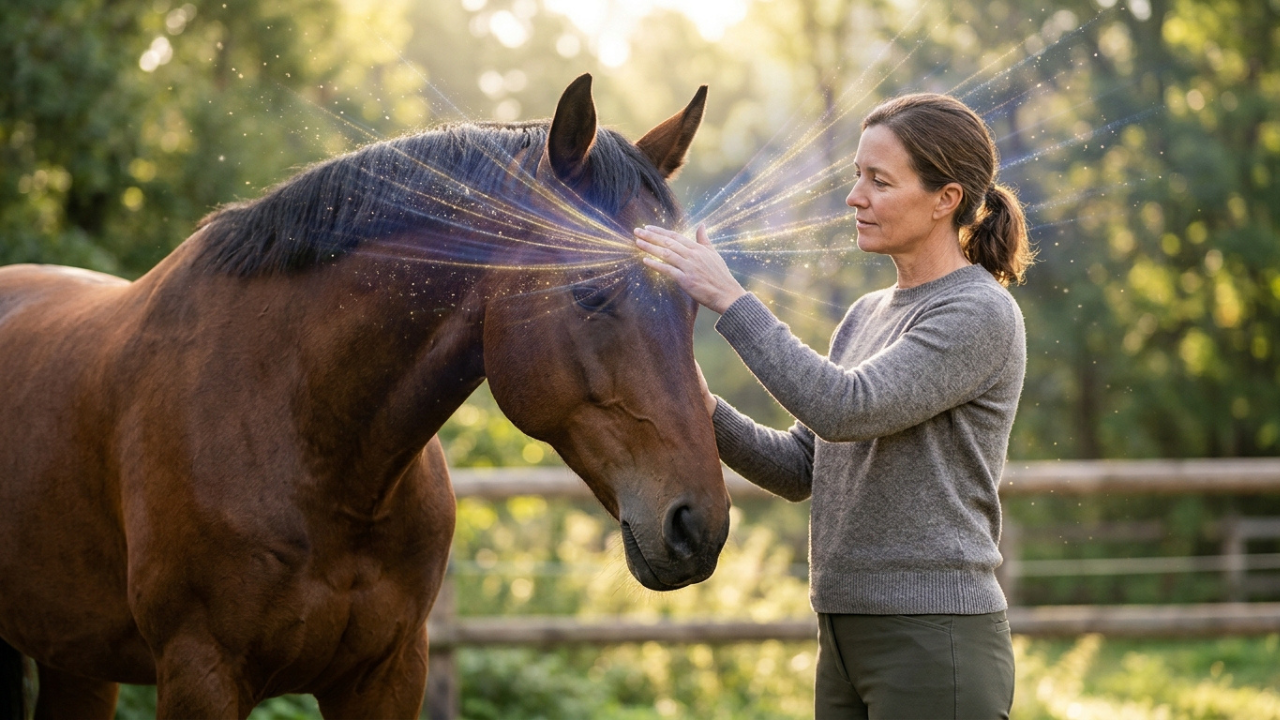
Third Eye Chakra Healing For Horses: 7 Gentle Ways To Connect
Third Eye Chakra Healing For Horses offers an interesting approach to holistic horse wellness, focusing on intuition, awareness, and emotional connection.
In spiritual traditions, the Third Eye Chakra represents inner perception and mental clarity, encouraging a deeper understanding of ourselves and our surroundings.
Horse owners can explore this concept through gentle Reiki-inspired practices, peaceful surroundings, and mindful interactions that respect their horse’s individual needs.
These activities can create meaningful bonding opportunities, strengthen trust, and support a horse’s comfort, confidence, and everyday well-being.
What Is Third Eye Chakra Healing For Horses?
Third Eye Chakra Healing For Horses is a holistic spiritual practice inspired by the traditional Third Eye Chakra, also known as Ajna.
Understanding the animal chakra system can help you explore how traditional energy-healing practices interpret different aspects of animal well-being. Each chakra is symbolically associated with qualities such as awareness, communication, and emotional balance.
You can also explore the role of chakras in animal healing to learn how these spiritual concepts are applied to pets and other animals. These gentle, spiritually inspired activities can complement responsible horse care and encourage positive daily interactions.
In traditional chakra teachings, the Third Eye Chakra is the sixth primary chakra. It symbolizes intuition, perception, awareness, and mental clarity.
As part of horse chakra healing, this approach encourages owners to explore a deeper connection with their horses through gentle Reiki-inspired practices.
These may include meditation, visualization, peaceful interaction, and quiet moments spent observing a horse’s natural behaviour and emotional responses.
At home, you can spend time with your horse, observe its body language, and create a comfortable environment that encourages trust and relaxation.
Some spiritual traditions associate the Third Eye Chakra with the area between the eyes and represent its energy through the colour indigo.
Although chakra healing has no established scientific evidence in horses, these gentle activities can complement responsible horse care and positive daily interactions.
Understanding how Reiki differs from traditional veterinary care also helps owners recognize why these practices should never replace veterinary attention, appropriate exercise, balanced nutrition, or professional treatment.
Benefits Of Third Eye Chakra Healing In Horses
Third Eye Chakra healing offers horse owners a mindful way to explore intuition, awareness, and emotional connection. Although it is a spiritual practice, some associated activities can complement responsible horse care.
Gentle handling, peaceful interactions, and quiet observation encourage owners to become more attentive to their horses’ needs. These activities can also create opportunities to build trust and strengthen everyday communication.
The following benefits focus on positive human-horse interactions and practical welfare considerations. They do not suggest that chakra healing itself has scientifically proven effects on equine health.
1. Encourages Better Awareness Of Your Horse’s Behaviour
Exploring Third Eye Chakra healing can encourage horse owners to notice subtle behavioural changes. Quiet Reiki-inspired sessions provide opportunities to observe ear movements, facial expressions, body posture, and responses to familiar surroundings.
These observations may help you recognize your horse’s preferences and identify signs of discomfort earlier. Becoming familiar with normal behaviour also makes unusual changes easier to notice.
A 2024 systematic review published in Animal Welfare examined 109 studies on horse-human interactions. It highlighted the importance of understanding equine behaviour when evaluating interactions between horses and people.
Exploring animal aura and chakra reading introduces another spiritual perspective on observation. However, careful behavioural assessment remains more reliable than interpreting imagined energy patterns.
2. Supports A Stronger Human-Horse Connection
A peaceful environment and consistent, positive interactions can help develop trust between horses and their owners. Third Eye Chakra practices encourage patience, quiet observation, and mindful communication during everyday care.
Research suggests that horses may approach people following positive interactions and avoid them after unpleasant experiences. Allowing your horse to participate voluntarily can encourage more comfortable encounters.
The principles of Heart Chakra Healing for Horses also emphasize gentle companionship and trust. These spiritual practices can encourage owners to approach their horses with greater patience and consideration.
Understanding the ethics of animal Reiki reinforces the importance of respecting your horse’s preferences. Positive experiences matter more than completing a particular energy-healing routine.
3. Promotes Calm And Positive Handling Experiences
Gentle Reiki-inspired interactions encourage slower movements, familiar handling techniques, and patient communication. These approaches may reduce unnecessary pressure during grooming, quiet companionship, and other everyday activities.
A 2021 scoping review published in Animals examined 45 studies on human-horse interactions. It explored their effects on equine behaviour, physiology, and welfare.
Owners exploring Reiki for horses can incorporate calm handling into familiar routines. Respecting a horse’s comfort and willingness to participate remains more important than following a particular spiritual practice.
4. Improves Your Understanding Of Equine Body Language
Third Eye Chakra meditation encourages owners to observe their horses without immediately interrupting their natural behaviour. These quiet moments provide opportunities to notice changes in posture, ear direction, facial tension, and willingness to approach.
Horses communicate primarily through body language rather than human speech. Observing several signals together can provide a clearer understanding of their comfort, preferences, and emotional responses.
Exploring Throat Chakra Healing For Horses offers a complementary spiritual perspective on communication. However, understanding equine body language remains essential for recognizing discomfort and responding appropriately.
Learning about Reiki and animal communication may also encourage greater attentiveness. Careful observation helps owners respect boundaries and recognize when veterinary attention may be necessary.
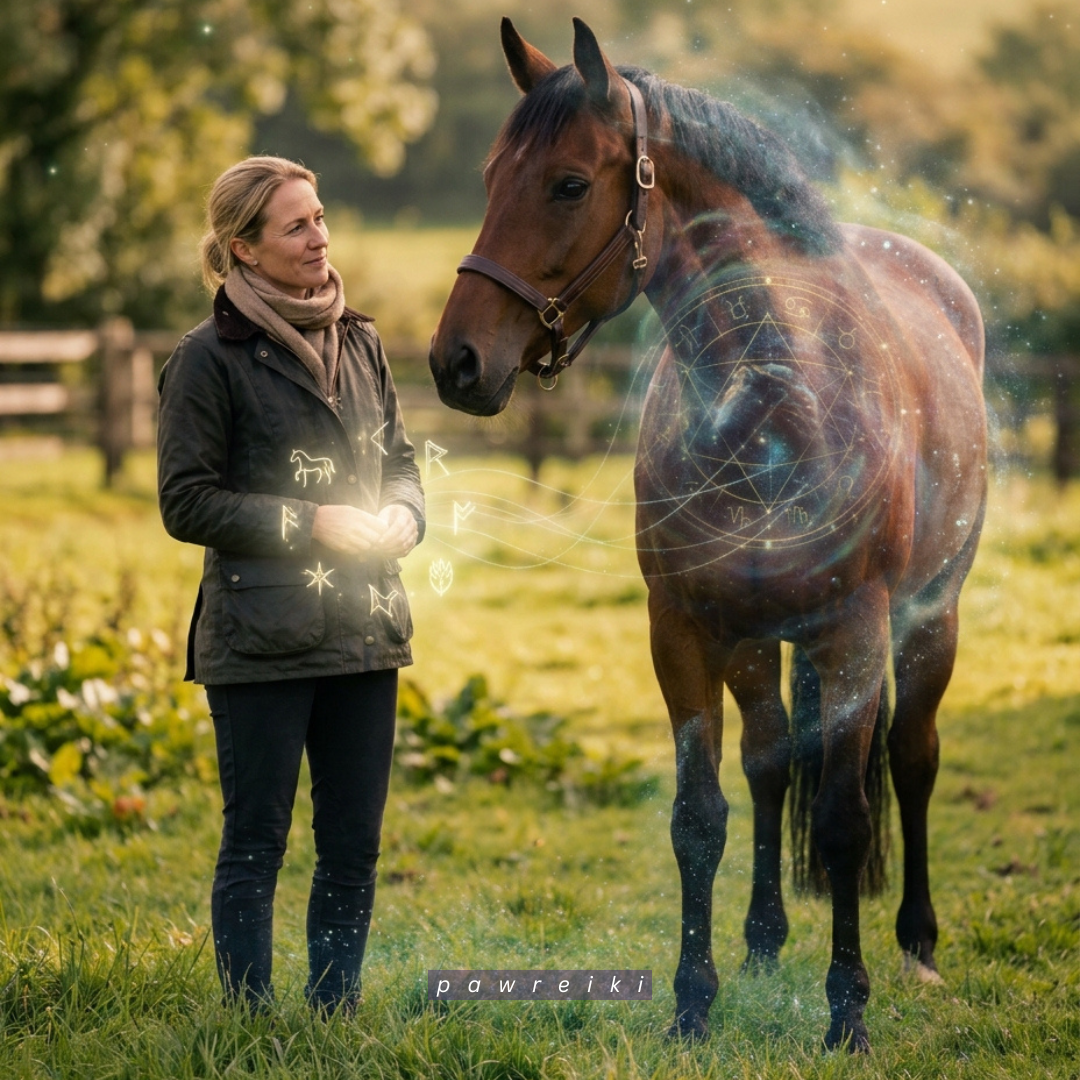
5. Creates Opportunities For Mental Relaxation And Enrichment
A quiet wellness routine can introduce safe enrichment and positive experiences into your horse’s daily environment. Peaceful observation can accompany appropriate turnout, familiar grooming, and opportunities to explore safe surroundings.
These activities are more meaningful than relying on energy visualization alone. Equine welfare research emphasizes fulfilling horses’ natural needs, including movement, social contact, and access to forage.
Understanding animal rights and animal welfare also highlights why physical comfort and natural behaviour matter. A supportive environment provides a practical foundation for holistic horse care.
The grounding themes explored in Root Chakra Healing For Horses can complement these everyday activities. Safe surroundings and consistent care remain the most important considerations.
6. Encourages Greater Sensitivity To Your Horse’s Individual Needs
Every horse has a different temperament, handling history, and comfort level. A mindful Third Eye Chakra routine encourages owners to recognize these differences instead of expecting identical responses.
One horse may enjoy familiar grooming, while another prefers quiet companionship without physical contact. Understanding the causes and effects of stress in horses can help owners recognize potential sources of discomfort.
A 2024 systematic review highlighted how fear, training, restricted movement, and individual differences can influence equine behaviour. Respecting personal preferences is therefore an important part of responsible horse ownership.
The gentle awareness encouraged through Sacral Chakra Healing For Horses offers another spiritual perspective on emotional connection. Owners should always prioritize observable behaviour and individual comfort.
7. Builds A More Consistent Home-Based Wellness Routine
Incorporating short periods of mindful interaction into regular horse care encourages consistent observation. Grooming, feeding routines, and quiet moments in a familiar paddock provide useful opportunities to assess general behaviour.
Keeping simple records of appetite, movement, social interaction, and temperament can make health observations more meaningful. These notes may also help identify gradual changes that require attention.
Regular grooming offers another opportunity to assess physical comfort. Following practical tips for maintaining a healthy coat in horses can complement these daily observations.
The confidence-building themes of Solar Plexus Chakra Healing For Horses can inspire a calm, consistent approach. This connects spiritual reflection with organized, practical animal care.
8. Encourages A More Positive And Respectful Interaction Environment
A central idea behind Third Eye Chakra healing is developing awareness and a peaceful connection. For horse owners, this means paying closer attention to their movements, voice, and handling habits.
A 2024 review associated positive horse-human experiences with approach behaviour. Negative experiences were associated with avoidance when horses had the freedom to move away.
Creating predictable, comfortable interactions can encourage more positive relationships. Practical tips to reduce stress in horses offer additional ways to support a calmer daily environment.
Exploring the benefits of equine therapy provides a broader perspective on human-horse relationships. Respectful handling, patience, and awareness remain essential to protecting equine welfare.
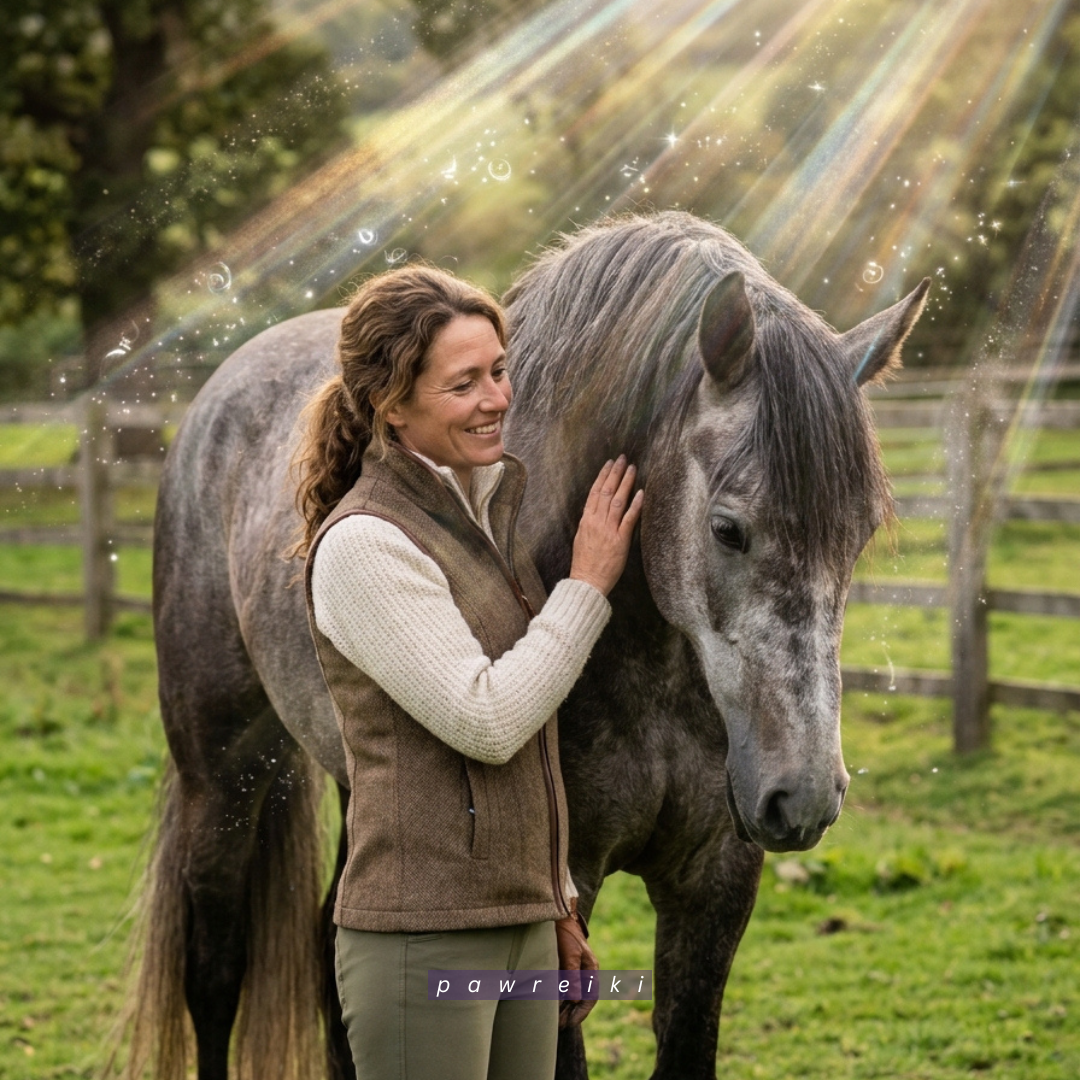
Step-By-Step Guide To Third Eye Chakra Healing For Horses At Home
Third Eye Chakra Healing For Horses can be explored at home through gentle observation, mindful interaction, and Reiki-inspired activities. The goal is to create a peaceful experience while respecting your horse’s comfort and individual needs.
There is no scientifically validated Third Eye Chakra healing protocol for horses. These steps offer a complementary spiritual routine, not a substitute for veterinary treatment, proper nutrition, exercise, or responsible equine care.
Step 1: Understand Your Horse’s Needs Before Starting
Before exploring Third Eye Chakra healing, consider your horse’s physical condition, temperament, and usual behaviour. Every horse has different handling preferences, previous experiences, and comfort levels.
Observe your horse’s appetite, movement, posture, facial expressions, and interactions with familiar people. These everyday observations can help you recognize unusual changes before introducing a new wellness activity.
If your horse develops unusual behaviour, pain, or sensitivity, arrange a veterinary assessment first. Understanding your horse’s normal behaviour provides a safer foundation for gentle, home-based Reiki sessions.
Traditional chakra philosophy associates the Third Eye with intuition and awareness. However, no established medical test can identify chakra imbalances in horses or confirm that spiritual energy healing is necessary.
For beginners, A Beginner’s Guide To Reiki Healing For Animals provides additional background on Reiki-inspired practices. Always adapt these activities to your horse’s individual needs.
Step 2: Choose A Safe And Familiar Location
Choose a familiar location where your horse feels comfortable and can move naturally. A quiet stable, secure paddock, or enclosed grooming area may provide a suitable setting.
Check the ground for slippery surfaces, loose equipment, and sharp objects. Ensure good ventilation and comfortable temperatures, particularly during warmer weather or periods of increased humidity.
Our Nature guide to keeping horses cool in summer offers additional ideas for managing warm conditions. Your horse’s physical comfort should always come before creating a particular spiritual atmosphere.
Choose a quiet time when feeding activities, unfamiliar animals, or sudden disturbances are unlikely to interrupt. Familiar surroundings make it easier to observe natural behaviour without adding unnecessary pressure.
For additional preparation tips, explore preparing your home for an animal Reiki session. These principles can be adapted to a safe, familiar equine environment.
Step 3: Prepare Yourself Mentally Before The Session
Your own preparation is an important part of a personal Reiki routine. Before approaching your horse, take a few minutes to relax and focus on the present moment.
Our guide to preparing yourself before offering Reiki to a pet explores this process in greater detail. A calm, attentive approach can encourage more patient interactions.
Sit or stand comfortably away from your horse’s path of movement. Breathe naturally and choose a simple intention, such as developing trust, awareness, or a peaceful connection.
Traditional Reiki practices often incorporate meditation and positive intentions. These activities may help you approach your horse with greater patience, although they do not demonstrate a measurable transfer of healing energy.
Step 4: Approach Your Horse Using Safe Handling Techniques
Approaching your horse calmly is essential for animal welfare and personal safety. Speak gently as you approach, allowing your horse to recognize your presence before moving closer.
For unfamiliar or less-handled horses, approach carefully from the shoulder. Avoid sudden movements, approaching directly from behind, or entering personal space without giving the horse time to respond.
Maintain a safe working position and remain aware of your horse’s movements. Follow familiar handling procedures suited to its training, temperament, and previous experiences.
Equine handling guidance emphasizes understanding a horse’s field of vision, flight zone, and body language. These practical considerations are more important than completing any particular Reiki technique.
Our article on how to prepare your pet for a Reiki session offers additional ideas for respectful preparation. Always adapt these suggestions to the specific handling needs of horses.
Step 5: Observe Your Horse’s Body Language
Spend a few minutes observing your horse before beginning any Reiki-inspired activity. Pay attention to its ears, eyes, nostrils, facial muscles, tail, and overall posture.
A comfortable stance and normal breathing may suggest relaxation, although individual behaviour varies. Look for changes from your horse’s usual behaviour rather than interpreting one signal in isolation.
Pinned ears, repeated attempts to move away, visible tension, or unusual restlessness may indicate discomfort. If these signs appear, stop the activity and allow your horse more space.
Understanding these signals supports responsible horse ownership and respectful interaction. Equine welfare guidance recommends adjusting handling practices according to the animal’s behaviour, comfort, and willingness to participate.
Step 6: Establish A Gentle Reiki Intention
In traditional Reiki, an intention provides a personal focus for the session. For Third Eye Chakra healing, you might choose themes such as awareness, clarity, trust, and inner balance.
Understanding the power of intention in animal Reiki can help you explore this spiritual practice more deeply. Keep your expectations realistic and your horse’s comfort at the centre.
Take a comfortable position beside your horse and quietly establish your intention. You might repeat a simple affirmation, such as, “May this moment bring peace, comfort, and understanding.”
Keep the intention personal rather than expecting your horse to experience a particular emotional or physical change. Reiki’s proposed energy-transfer mechanism has not been scientifically established in horses.
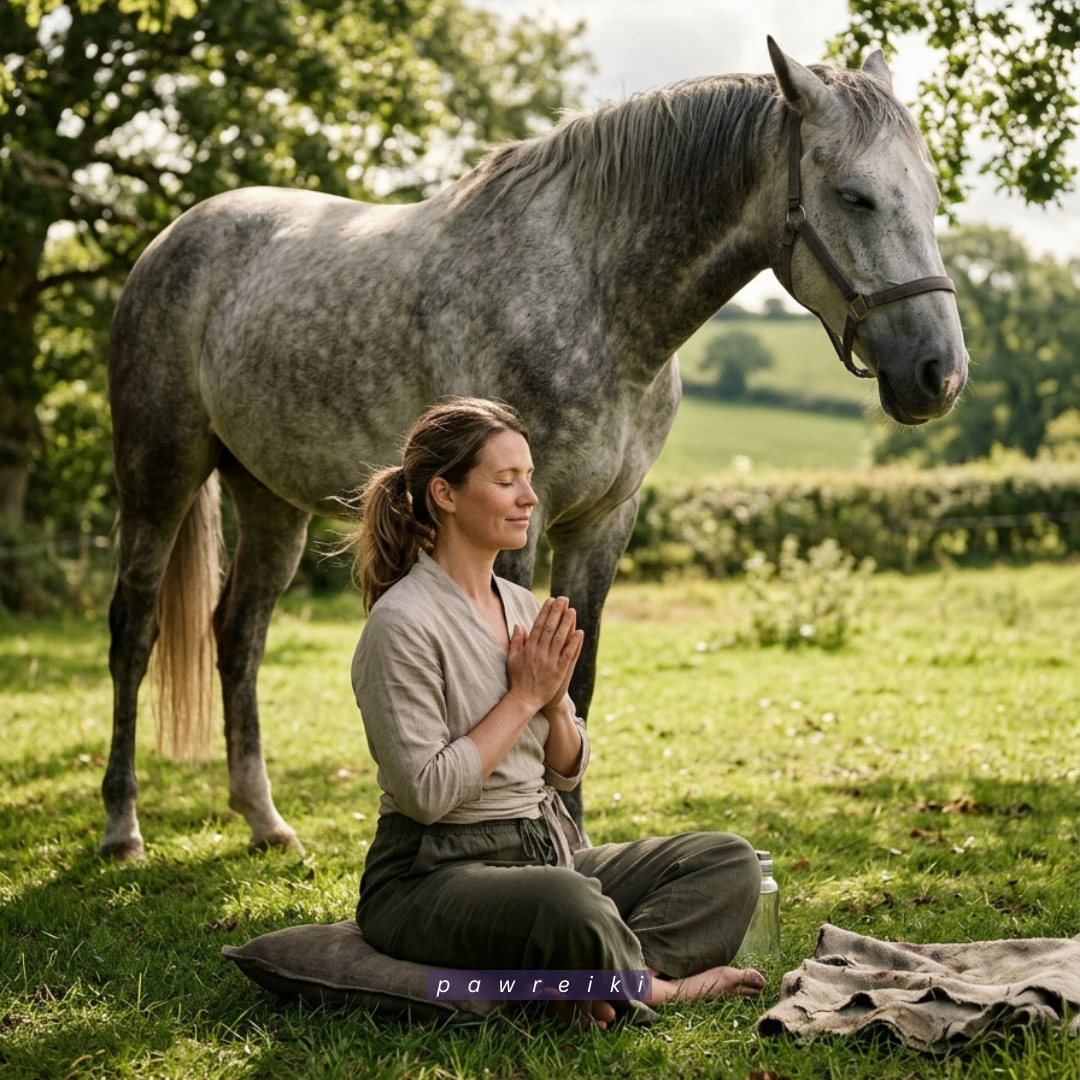
Step 7: Position Your Hands Comfortably Near Your Horse
Hand positioning is a familiar element of traditional Reiki practice. For a beginner-friendly routine, keep your hands relaxed and comfortably positioned in front of your body.
You can hold them near your horse without making physical contact. Maintain a respectful distance and avoid reaching suddenly toward sensitive areas, especially the forehead, eyes, ears, and muzzle.
Your horse should remain free to change position or move away. Some Reiki traditions describe this approach as hands-off energy work, which avoids unwanted touching or restraint.
Understanding hands-on versus hands-off Reiki can help you explore these different approaches. Always prioritize your horse’s comfort and natural responses throughout the session.
Step 8: Focus On The Third Eye Chakra Through Visualization
The Third Eye Chakra is traditionally associated with the area between the eyebrows and represented by the colour indigo. In chakra philosophy, Ajna symbolizes intuition, awareness, and mental clarity.
During your meditation, visualize a soft indigo light around this symbolic area. Keep your hands relaxed and maintain a comfortable distance from your horse.
You can use this visualization as a personal reminder of awareness, understanding, and peaceful connection. It should remain a spiritual exercise rather than an attempt to treat a physical condition.
Exploring crystals for pet chakra healing offers another perspective on chakra symbolism and traditional colours. However, no established evidence shows that visualized energy changes a horse’s neurological or physical condition.
Step 9: Incorporate Gentle Touch Only When Your Horse Welcomes It
If your horse enjoys familiar physical contact, you can incorporate gentle grooming or a soft hand resting on an accepted area. The neck and shoulder may suit horses accustomed to handling.
Keep your movements predictable and avoid pressing, rubbing, or manipulating muscles as part of the energy practice. Your horse’s willingness should guide every interaction.
If your horse moves away, becomes tense, or shows discomfort, give it space. Gentle contact should never involve restraint or pressure to continue a session.
Familiar grooming can support positive human-horse interactions when the horse welcomes it. Our Nature guide to hoof dressing tips for horses explores another aspect of routine physical care.
Remember that grooming and Reiki-inspired touch are separate from therapeutic massage or veterinary treatment. Physical soreness, pain, or unusual sensitivity should always receive appropriate professional attention.
Curious About Reiki For Your Pet?
Exploring gentle ways to support your pet’s well-being can naturally lead you to Reiki, another peaceful approach centred around relaxation, connection, and quiet time together.
✨ Please Read: A Beginner’s Guide To Reiki Healing For AnimalsStep 10: Include Mindful Breathing And Quiet Observation
Once your horse is comfortable with your presence, spend a few minutes observing it while breathing naturally. Notice the surrounding environment, your horse’s posture, and any changes in its behaviour.
You can combine this quiet observation with personal meditation or a gentle Reiki intention. Our guide to meditating with animals offers additional ideas for creating peaceful moments with your animal companions.
Focus on your own breathing without expecting your horse to follow a particular rhythm. Horses have natural respiratory patterns influenced by activity, temperature, and overall health.
Practising mindfulness in everyday life can also help you become more aware of your surroundings. These techniques encourage patience and attention without requiring your horse to remain still.
The purpose is to create a peaceful shared experience while improving your observation skills. Mindful breathing should not be presented as a scientifically established method of healing your horse.
Step 11: Complete The Session Gently And Allow Your Horse To Rest
When you feel ready to finish, gradually return your attention to your surroundings. Conclude your personal visualization without expecting a particular response from your horse.
Allow your horse to continue its normal activities, such as grazing, resting, or interacting with familiar companions. You can finish with gentle grooming or another positive interaction if your horse enjoys it.
Make sure fresh water, suitable forage, and comfortable surroundings remain available. Preserving familiar routines helps avoid unnecessary disruptions to your horse’s daily care.
Learning about meditation techniques and their health benefits can provide additional ideas for your own relaxation practice. These human-focused techniques should not be interpreted as proven treatments for horses.
There is no scientifically established ideal duration or required number of Reiki sessions for horses. Begin with a short, comfortable interaction and allow your horse’s behaviour to guide future sessions.
Step 12: Record Your Observations And Review The Experience
After completing your home-based Reiki routine, record a few observations about your horse’s behaviour. Note the date, location, general activity level, and any noticeable changes in posture or interaction.
Include details about appetite, movement, and activities your horse appeared comfortable with. Recording activities it preferred to avoid can also help you plan more respectful interactions.
Reviewing your notes over time may reveal individual preferences or gradual behavioural changes. This information can help you recognize patterns that might otherwise go unnoticed.
Keep your observations factual rather than interpreting every behavioural difference as chakra movement or energy release. Spiritual interpretations should never replace practical health assessments.
If you notice persistent discomfort, unusual behaviour, or physical symptoms, share your observations with an equine veterinarian. Your notes may provide useful background when discussing changes in your horse’s health.
Frequently Asked Questions
Q1: Where Is The Third Eye Chakra Located In A Horse?
The Third Eye Chakra is traditionally associated with the area between the eyes, slightly above the bridge of the nose. This location comes from spiritual chakra teachings.
It is a symbolic energy centre rather than a scientifically identified anatomical structure. Horses do not have a medically recognized Third Eye Chakra.
Q2: Which Crystal Is Best For The Third Eye Chakra In Horses?
Amethyst is commonly associated with the Third Eye Chakra because of its purple colour and spiritual symbolism. Some practitioners include it during personal meditation.
Always keep crystals safely away from horses to prevent accidental ingestion or injury. Crystals have no scientifically established healing effects on equine chakras.
Q3: Can Third Eye Chakra Healing Improve A Horse’s Intuition?
There is no scientific evidence that Third Eye Chakra healing increases a horse’s intuition. Horses already possess natural awareness and sensitivity to their surroundings.
However, quiet observation and positive interactions can help owners understand their horses better. Building familiarity encourages more attentive communication and trust.
Q4: How Often Should You Practice Third Eye Chakra Healing With Your Horse?
There is no scientifically established schedule for Third Eye Chakra healing in horses. You can begin with occasional, short sessions that fit naturally into daily care.
Observe your horse’s comfort and willingness to participate each time. Never force an interaction or interrupt essential activities such as feeding, resting, or socializing.
Q5: Can Third Eye Chakra Healing Help An Anxious Horse?
Third Eye Chakra healing has not been scientifically proven to treat anxiety in horses. However, calm handling and predictable routines may encourage more comfortable interactions.
If your horse frequently appears anxious, identify possible environmental or physical causes. Persistent anxiety or sudden behavioural changes deserve professional veterinary attention.
Q6: Can Beginners Practice Third Eye Chakra Healing For Horses At Home?
Beginners can explore gentle Reiki-inspired activities such as meditation, visualization, and quiet observation. These practices require no special equipment or physical manipulation.
Always follow safe horse-handling procedures and respect your horse’s boundaries. Spiritual wellness activities should complement, never replace, appropriate veterinary care.
Helpful External Resources
If you’d like to explore pet wellness, behaviour support, or gentle healing practices further, here are trusted organizations and educational resources you may find helpful:
- American Veterinary Medical Association (AVMA) – General pet health, behaviour guidance, and care resources.
- ASPCA Pet Care Library – Behaviour tips, anxiety support, and animal-care information.
- VCA Animal Hospitals: Know Your Pet – Comprehensive articles written by veterinarians.
- International Center for Reiki Training (ICRT): Animal Reiki – Introductory information and classes for working with animals.
- Shelter Animal Reiki Association (SARA) – Ethical, animal-led Reiki practices and training.
Conclusion
Third Eye Chakra Healing For Horses offers a gentle spiritual approach to awareness, intuition, and connection. Through mindful observation and peaceful Reiki-inspired practices, owners can create meaningful bonding experiences.
Quiet moments together encourage patience, trust, and a deeper appreciation of your horse’s individual personality. These simple interactions can become a comforting part of everyday care.
The most rewarding approach combines spiritual reflection with responsible horse care and respect for personal boundaries. Proper nutrition, exercise, and veterinary guidance remain essential to your horse’s well-being.
Above all, building a trusting relationship takes time, consistency, and understanding. Let your horse’s comfort and natural behaviour guide every peaceful moment you share.
I trust you enjoyed this article on Third Eye Chakra Healing For Horses: 7 Gentle Ways To Connect. Please stay tuned for more Reiki insights, pet wellness tips, and holistic lifestyle ideas.
Take care!
— JeannetteZ 🐾💜
💬 Your Opinion Is Important To Me
Do you have thoughts, ideas, or questions? I’d love to hear from you. Please leave your comments below or email me directly at Jeannette@pawreiki.com.
📚 More PawReiki Reads — Discover Energy Healing & Holistic Pet Wellness
💜 My #1 Recommendation for Online Success
Reiki has brought so much peace and purpose to my life, and sharing it online has been a true blessing. If you’ve ever dreamed of creating a gentle income stream around your love for animals and holistic healing, this platform gives you all the tools, training, and community support you need — no tech experience required.
🌟 See How Reiki Lovers Build Online Income — Try WA FreeNo credit card required · Free starter training included
Disclosure
This post may contain affiliate links. As an Amazon Associate and participant in other affiliate programs, I earn from qualifying purchases at no extra cost to you. Please read my full affiliate disclosure.