Throat Chakra Healing For Horses: 7 Powerful Practices
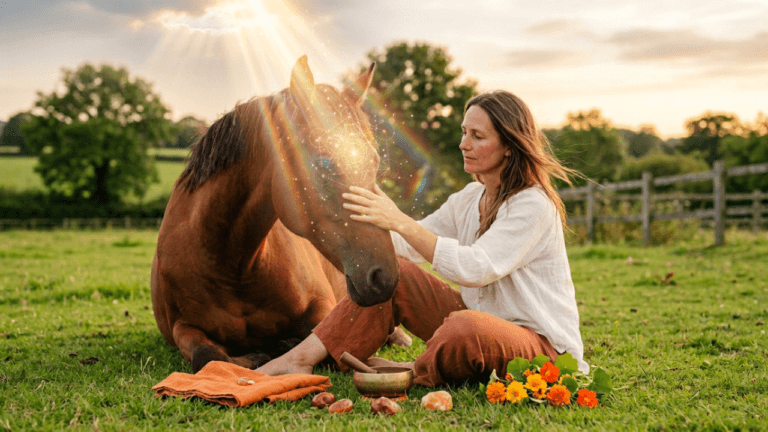
Throat Chakra Healing For Horses offers a gentle way to explore the connection between energy, communication, and emotional well-being.
In traditional chakra systems, the throat chakra represents expression, truth, and connection. Horse owners can explore these ideas through Reiki-inspired practices, quiet bonding moments, and mindful daily interactions.
Although chakra healing is not a veterinary treatment, these practices may complement a caring environment where horses feel comfortable, respected, and understood.
Understanding The Throat Chakra In Horses
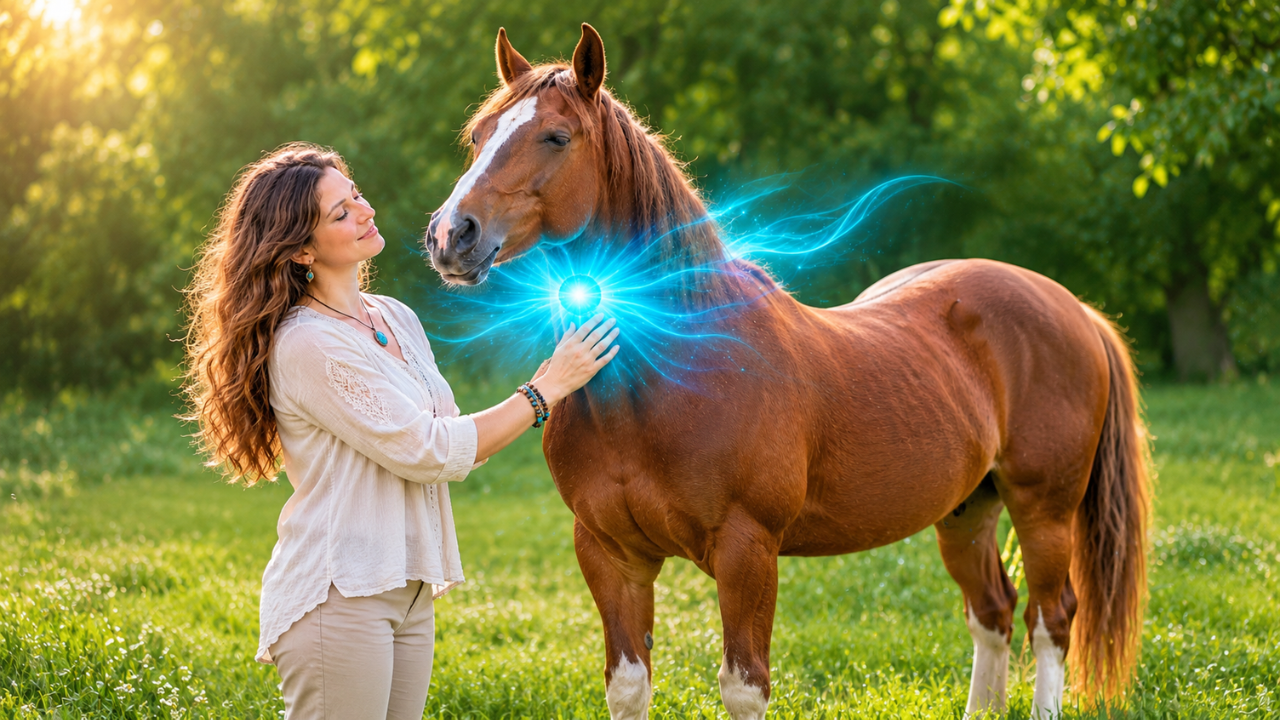
The throat chakra, traditionally known as Vishuddha, is the fifth energy centre in the chakra system. Represented by blue, it symbolizes communication, self-expression, clarity, and authentic connection.
In Throat Chakra Healing For Horses, this energy centre offers a symbolic way to explore how horses communicate and express their emotions.
Horses communicate continuously, even without making sounds. They use body posture, ear movements, facial expressions, breathing patterns, and subtle behavioural changes to express their needs.
For example, a horse may move its head toward a familiar person, lower its neck when relaxed, or shift its ears when something catches its attention.
These small signals provide valuable insights into a horse’s emotional state and help owners develop a deeper understanding of their behaviour.
In chakra philosophy, a balanced throat chakra symbolizes clear communication, emotional openness, and authentic expression. These ideas also complement the themes of emotional connection and trust explored in Heart Chakra Healing For Horses.
However, horses do not have scientifically established chakra systems. These concepts belong to complementary spiritual traditions rather than veterinary science.
Understanding this distinction allows horse owners to explore energy healing while maintaining realistic expectations and prioritizing their horse’s well-being.
Why Is Throat Chakra Healing Important For Horses?
Throat Chakra Healing For Horses offers a gentle way to explore communication, emotional awareness, and respectful handling. Although chakras are not scientifically established in equine anatomy, this philosophy encourages owners to observe their horses more closely.
Here are five ways to explore this connection through mindful, horse-friendly practices that support everyday comfort and communication.
1. Encourages Better Communication
Horses communicate through more than vocal sounds. Ear movements, facial expressions, body posture, and subtle behavioural changes reveal important information about their comfort, emotions, and surroundings.
Throat chakra traditions associate this energy centre with communication and self-expression. Exploring this concept encourages owners to recognize their horses’ nonverbal signals and respond with greater patience and understanding.
Speaking gently, maintaining predictable routines, and respecting your horse’s responses can improve everyday interactions. Understanding these communication patterns also helps you recognize when your horse needs space, reassurance, or additional attention.
For a broader understanding of equine energy traditions, explore our Horse Chakra Healing Guide, which introduces the symbolic roles of different chakras.
2. Supports A Calm Environment
A horse’s surroundings can influence its behaviour, comfort, and ability to relax. Sudden noises, unfamiliar environments, inconsistent handling, and unexpected routine changes may contribute to stress.
In chakra traditions, the throat chakra represents peaceful expression and balanced communication. Horse owners can explore this connection through quiet companionship, gentle Reiki-inspired relaxation, and familiar daily routines.
Creating a peaceful, predictable environment may help horses feel more secure. These practices also complement Root Chakra Healing For Horses, which explores grounding, stability, and emotional security.
A comfortable environment allows your horse to rest, move freely, and express natural behaviours. Always provide opportunities for movement, social interaction, and appropriate daily care.
3. Promotes Emotional Awareness
Understanding your horse’s emotional responses is an important part of responsible ownership. Horses display different behavioural signals when they feel relaxed, curious, uncomfortable, or frightened.
Soft eyes, relaxed facial muscles, and a comfortable posture may indicate relaxation. However, pinned ears, muscle tension, or attempts to move away can signal discomfort or distress.
The throat chakra is traditionally associated with emotional expression and communication. Exploring this philosophy encourages owners to watch for behavioural changes more closely and respond with greater sensitivity.
Recognizing these signals supports thoughtful handling and helps identify situations requiring veterinary or qualified equine behavioural assessment.
Our guide to Signs Your Pet May Benefit From Reiki Healing explores additional observations to consider when introducing complementary wellness practices.
4. Strengthens The Human-Horse Bond
A trusting relationship develops through consistent, respectful interactions. Gentle grooming, quiet companionship, and calm verbal communication create opportunities to strengthen your connection with your horse.
The throat chakra symbolizes honest expression and meaningful communication, making it a useful concept for exploring the human-horse relationship. Observing your horse’s preferences helps you understand its individual personality.
These thoughtful interactions share similarities with the relationship-building principles discussed in Benefits Of Equine Therapy, which explores meaningful connections with horses.
By responding patiently and respecting your horse’s boundaries, you encourage mutual trust without forcing physical contact. Small, positive daily experiences can gradually strengthen your relationship.
5. Encourages Mindful And Respectful Handling
Mindful handling begins with understanding how your actions influence your horse’s comfort and behaviour. Approaching calmly, maintaining relaxed body language, and respecting personal space can make everyday interactions more predictable.
In throat chakra traditions, balanced energy symbolizes clear communication and mutual understanding. This philosophy encourages owners to listen through observation rather than relying entirely on verbal commands.
Before introducing Reiki-inspired activities, consider the gentle preparation principles in Preparing Your Home For An Animal Reiki Session. A peaceful setting and relaxed approach can make quiet interactions more comfortable.
Research-based equine welfare guidance also emphasizes recognizing stress signals, respecting individual needs, and using humane handling techniques. Combining mindfulness with practical awareness contributes to safer, more respectful horse care.
Gentle Ways To Explore Throat Chakra Healing For Horses At Home
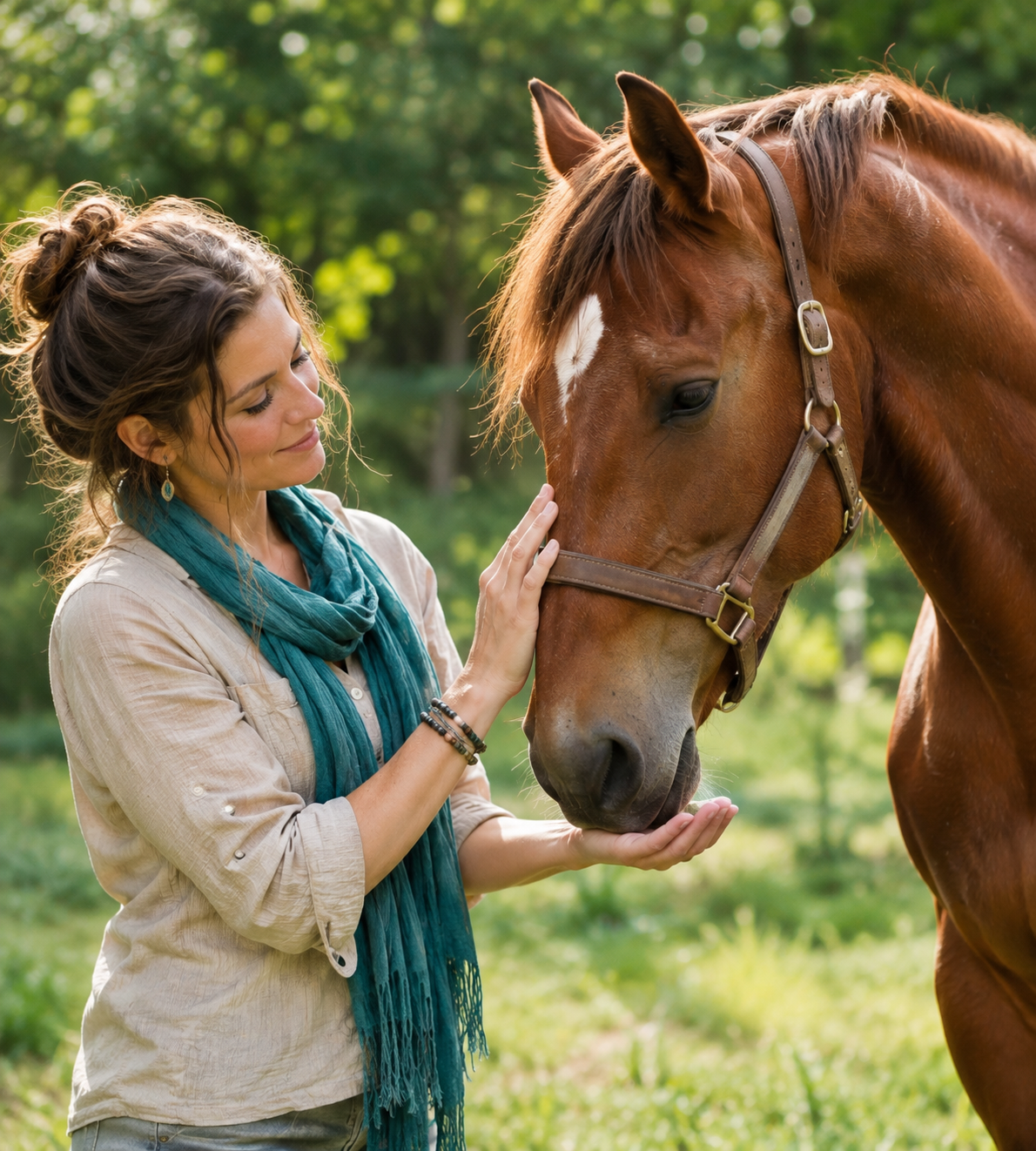
Throat Chakra Healing For Horses can become part of your everyday routine through quiet companionship, mindful communication, and gentle activities. These practices require no complicated equipment, formal energy treatments, or unnecessary physical contact.
The following approaches encourage respectful interaction while keeping your horse’s comfort, safety, and individual preferences at the centre of every experience.
1. Introduce Gentle Reiki-Inspired Relaxation
Reiki-inspired relaxation offers an opportunity to enjoy quiet companionship with your horse. Choose a familiar area where your horse feels comfortable, can move freely, and can leave whenever it wishes.
Sit or stand nearby, relax your shoulders, and take a few slow breaths. You can focus silently on positive intentions such as trust, comfort, and peaceful communication.
Keep your hands in a natural position rather than attempting to direct energy toward the throat. If your horse approaches willingly, enjoy its company without forcing physical contact or expecting a particular response.
Our guide to Preparing Yourself Before Offering Reiki To A Pet shares additional ideas for approaching these quiet moments with patience, awareness, and respect.
Remember that Reiki is a complementary spiritual practice. Scientific evidence has not established that it balances equine chakras or treats health conditions, so veterinary care remains essential.
2. Use Blue As A Symbol Of Peace And Communication
Blue is traditionally associated with the throat chakra and symbolizes communication, clarity, and peaceful expression. You can introduce this colour through safe, stable accessories, grooming towels, or decorations kept beyond your horse’s reach.
During quiet companionship, you might imagine a gentle blue light surrounding your horse as a personal mindfulness exercise. This visualization reflects chakra philosophy rather than an evidence-based equine treatment.
For more ideas about symbolic colours and energy traditions, explore Animal Aura And Chakra Reading, which introduces these concepts from a complementary wellness perspective.
Always choose familiar, non-toxic materials and avoid accessories that could cause entanglement, ingestion, or unnecessary stimulation. Your horse’s physical comfort and safety should remain the priority.
3. Speak Softly During Everyday Interactions
Your voice can become a familiar part of your horse’s daily environment. Horses can distinguish familiar human voices and use auditory information alongside visual and olfactory cues to understand their surroundings.
During feeding, grooming, or routine handling, speak in a calm, consistent tone. Use familiar words before approaching, or quietly talk while spending time together.
The throat chakra’s traditional connection to communication makes gentle speech a natural addition to mindful interactions. Our guide to Sound Healing For Pets explores other ways to incorporate sound into peaceful companionship.
Familiar vocal cues can support predictable interactions, although a gentle voice alone cannot guarantee relaxation. Always observe your horse’s responses and respect its individual preferences.
4. Create A Peaceful Grooming Routine
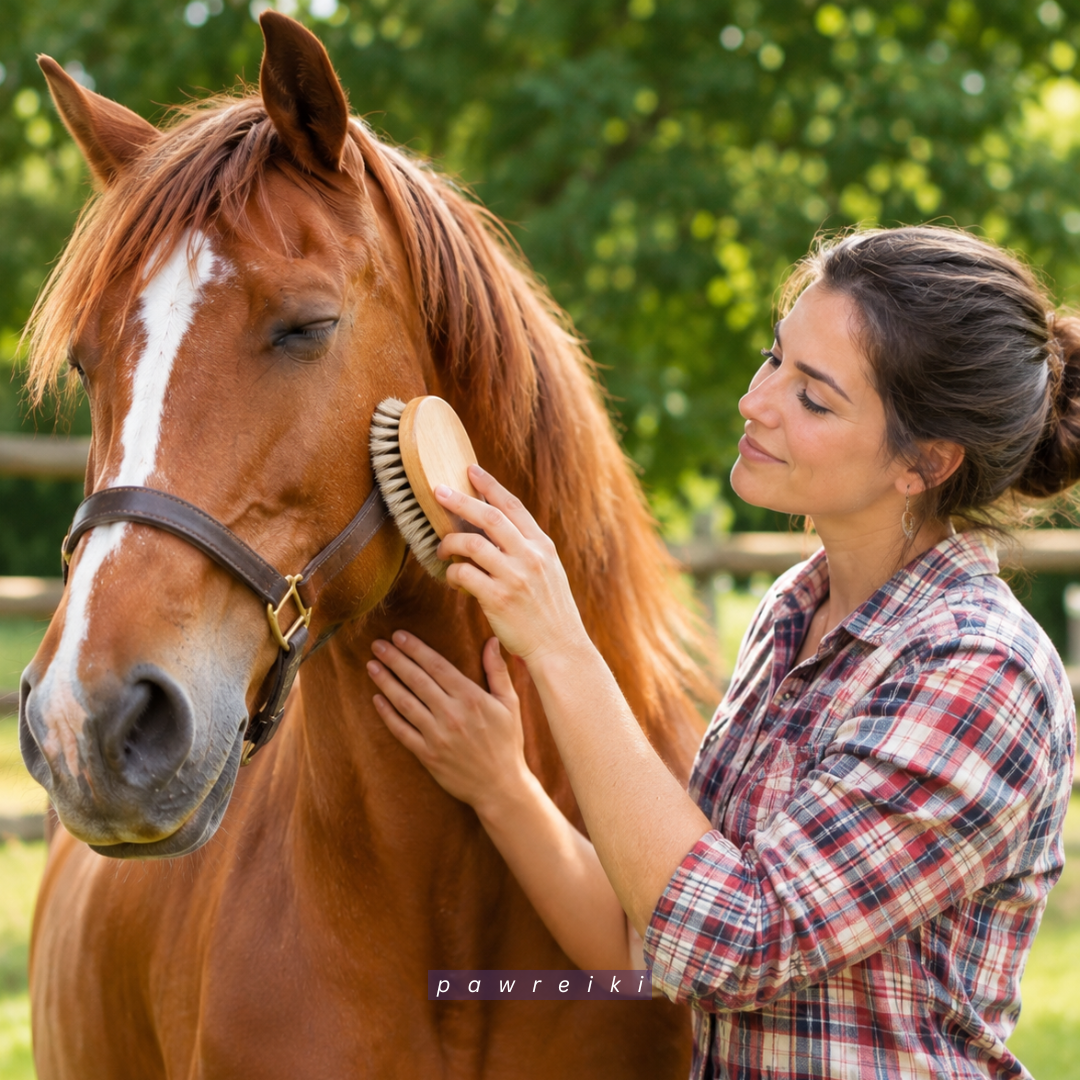
Grooming can become a meaningful bonding activity that combines physical care with mindful attention. Choose a familiar time when your horse is comfortable, and use suitable brushes with gentle, consistent movements.
Begin with areas where your horse willingly accepts touch, such as the shoulder or back. Observe its facial expressions, ear positions, and body movements throughout the activity.
If your horse becomes uncomfortable, adjust your approach or allow it to move away. In traditional chakra practices, mindful grooming can complement throat chakra intentions by encouraging respectful communication and trust.
The British Horse Society recognizes grooming as tactile enrichment that can support positive equine interactions. For practical coat-care advice, explore our Tips For Maintaining A Healthy Coat In Horses.
Combining regular grooming with careful observation helps you recognize your horse’s preferences while supporting coat health. These positive experiences can make everyday handling more comfortable and enjoyable.
5. Practice Gentle Blue-Light Visualization
Blue-light visualization is a traditional spiritual exercise associated with the throat chakra. It symbolizes clarity, peaceful communication, and emotional expression, making it a thoughtful addition to your mindfulness routine.
During a quiet moment, sit comfortably near your horse and take a few relaxed breaths. Imagine a soft blue glow surrounding its neck and throat while focusing silently on positive intentions.
You might reflect on trust, understanding, and comfort as you meditate. Our guide to The Power Of Intention In Animal Reiki explores how personal intentions can shape a mindful approach to animal companionship.
This practice requires no physical contact or special equipment. Visualization can become a personal mindfulness exercise that encourages you to slow down and enjoy peaceful moments with your horse.
6. Spend Quiet Time Together In Nature
Spending time outdoors offers valuable opportunities to observe your horse’s natural behaviour and strengthen your relationship. Choose a familiar, secure paddock or pasture with appropriate forage, fresh water, and freedom to move.
Sit nearby while your horse grazes, rests, or explores its surroundings. Quiet companionship complements a throat chakra-inspired routine by encouraging patience, awareness, and a deeper appreciation of your horse’s individual personality.
The British Horse Society emphasizes the importance of movement, social contact, and natural behaviours in equine welfare. These practical needs provide a stronger foundation for well-being than spiritual activities alone.
Spending time outdoors also creates opportunities to observe your horse’s responses to its surroundings. For additional practical advice, explore our Best Tips To Reduce Stress In Horses, which complements mindful companionship with everyday horse-care strategies.
Allow your horse to decide whether to approach or continue its activities independently. Respecting these choices creates opportunities for comfortable companionship without unnecessary pressure.
7. Use Positive Intentions During Bonding Time
Positive intentions can make everyday bonding activities more meaningful. During grooming or quiet companionship, focus on thoughts associated with trust, patience, understanding, and mutual respect.
In traditional throat chakra philosophy, these intentions symbolize clear communication and authentic expression. You might silently repeat, “May I understand my horse’s needs with patience” or “May our relationship grow through trust.”
These personal reflections encourage a thoughtful approach to horse ownership. Our guide to Animal Reiki And Trust Made Simple offers additional ideas for developing respectful interactions through patience and consistency.
Research on equine behaviour also highlights the importance of human communication and previous experiences. Horses can respond differently to familiar voices, emotional cues, and the quality of their interactions with people.
Positive intentions alone cannot change a horse’s emotional state. However, combining mindful awareness with consistent, humane handling can support more predictable and comfortable everyday experiences.
Signs Of An Imbalanced Throat Chakra In Horses
In traditional chakra philosophy, the throat chakra represents communication, expression, and understanding. Some practitioners associate changes in a horse’s behaviour or physical responses with an imbalance in this energy centre.
However, these signs are not scientifically recognized indicators of chakra imbalance. Understanding normal equine behaviour, physical comfort, and emotional responses is essential when exploring this spiritual concept.
1. Changes In Vocal Expression
Horses use different vocal sounds to communicate with familiar animals and respond to their surroundings. Neighing, nickering, squealing, and snorting can convey different messages depending on the situation.
In chakra traditions, changes in vocal expression are sometimes associated with throat chakra imbalance. Our article on Solar Plexus Chakra Healing For Horses explores another chakra tradition associated with confidence and personal expression.
However, unusual or sudden changes in vocalization may have behavioural, environmental, or medical explanations. Observing when these sounds occur can help owners understand their horse’s communication patterns.
Changes accompanied by signs of discomfort, distress, or illness deserve particular attention. These situations may require veterinary advice rather than a spiritual interpretation.
2. Unusual Head And Neck Movements
Frequent head tossing, neck stiffness, or resistance during handling may attract an owner’s attention. Some energy-healing traditions symbolically associate the throat and neck region with the fifth chakra.
However, these physical behaviours are not reliable signs of energetic imbalance. Dental discomfort, tack problems, musculoskeletal pain, and other medical conditions can contribute to unusual head and neck movements.
Noting when the behaviour occurs and whether it affects eating, movement, or grooming can provide useful information. Our Best Horse Care Tips And Tricks offers additional guidance on everyday equine care.
Persistent or sudden changes should receive appropriate veterinary attention rather than being attributed to chakra imbalance.
3. Difficulty Building Trust
Some horses take longer to feel comfortable around unfamiliar people, in new surroundings, or with routine changes. They may move away, avoid contact, or appear tense during certain interactions.
Within chakra philosophy, these behaviours may symbolize difficulties with communication and emotional expression. Our guide to Sacral Chakra Healing For Horses explores another spiritual perspective on emotional connection and trust.
In practical equine care, however, trust develops through consistent handling, positive experiences, and respect for individual boundaries. Understanding the Causes and Effects of Stress in Horses can also help owners recognize situations that affect their horse’s comfort and confidence.
Normal caution should never be mistaken for an energy imbalance. Giving horses freedom of choice and respecting their responses helps create more positive everyday interactions.
4. Sensitivity Around The Throat Area
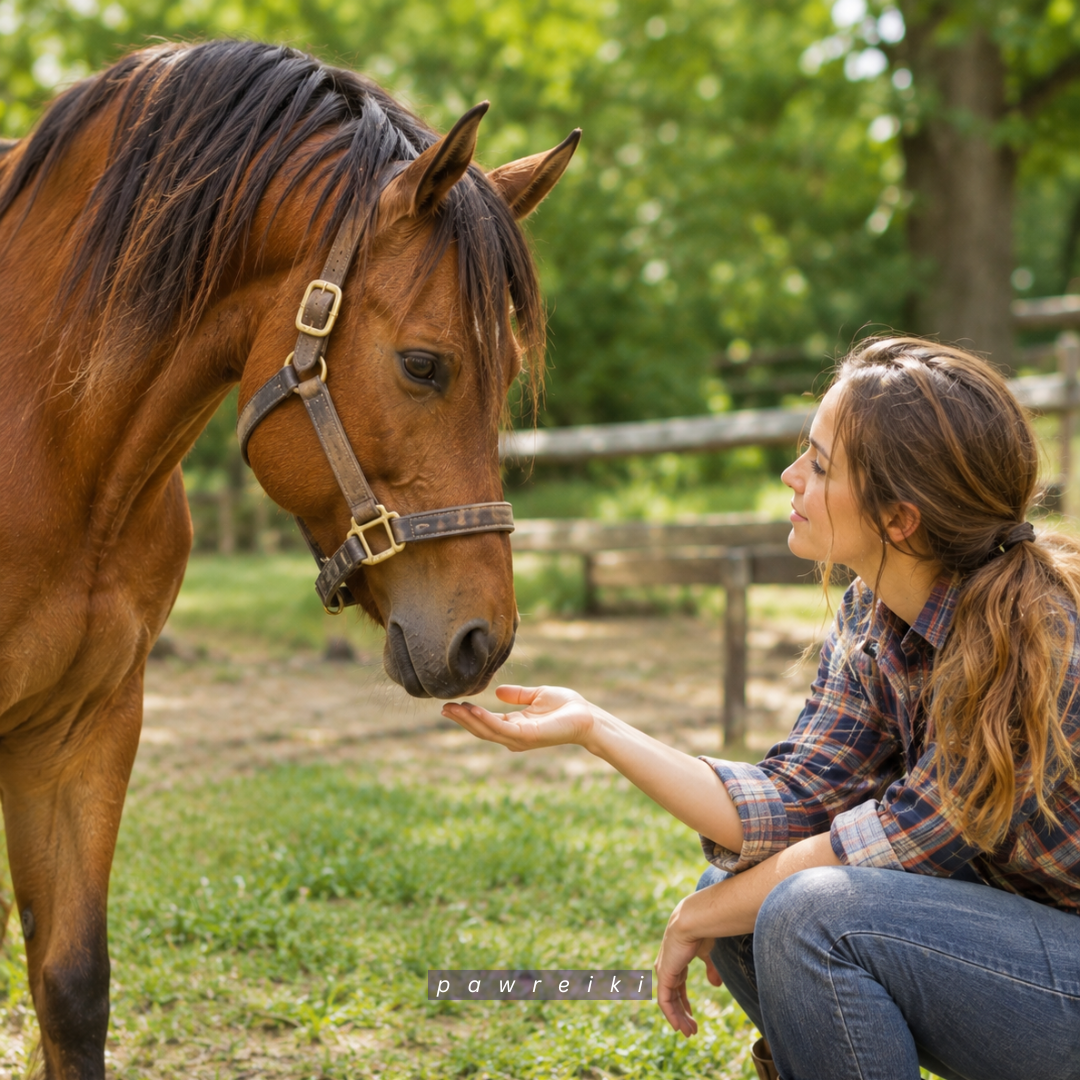
A horse that reacts when you touch its throat or neck may be expressing discomfort. In traditional chakra systems, this area is associated with Vishuddha, so sensitivity may arise in energy-healing discussions.
However, physical sensitivity should never be treated as proof of blocked chakra energy. Dental conditions, skin irritation, swelling, muscular discomfort, and other health problems may contribute to this response.
Observing your horse’s reactions can help identify when discomfort occurs. Our Best Hoof Dressing Tips For Horses also explores the importance of attentive physical care, although hoof care addresses a different part of the body.
Persistent sensitivity around the throat or neck deserves veterinary evaluation. Identifying the underlying concern should always take priority over spiritual interpretations.
5. Changes In Social Interaction
Horses are social animals that communicate through body language, vocal sounds, and interactions with their companions. Changes in social behaviour may include reduced interest in familiar horses, increased avoidance, or unusual irritability.
In traditional chakra philosophy, changes in social interaction may symbolically suggest communication and connection challenges. However, a horse’s social withdrawal may also indicate pain, illness, stress, or changes in herd relationships.
Monitoring these behaviours can help owners recognize when their horse needs additional care. Our guide to Reiki and Chakra Healing Combined for Pets explores how chakra concepts fit within a broader spiritual approach to animal companionship.
Pay attention to changes in feeding, movement, and social routines alongside these interactions. Sudden or persistent behavioural changes deserve veterinary attention, not assumptions about chakra imbalance.
6. Difficulty Responding To Familiar Vocal Cues
Some horses may become less responsive to familiar voice cues or show inconsistent reactions during everyday interactions. In traditional throat chakra philosophy, communication difficulties are symbolically associated with an imbalance in Vishuddha.
However, changes in responsiveness can have several practical explanations. Environmental distractions, hearing difficulties, stress, and changes in training routines may influence how a horse responds.
Observing your horse in different environments can provide useful context. Our article on 15 Meaningful Ways To Practice Mindfulness Every Day offers ideas for building personal awareness that owners can apply when observing their horses.
A sudden change in responsiveness may warrant veterinary attention, particularly when accompanied by other unusual behaviours. Consistent handling and clear, familiar cues can also help support predictable interactions.
Frequently Asked Questions
Q1: What Is The Throat Chakra In Horses?
The throat chakra, traditionally called Vishuddha, is the fifth energy centre in the seven-chakra system. It symbolizes communication, self-expression, clarity, and connection.
In equine energy-healing traditions, practitioners associate it with how horses communicate through vocal sounds and body language. This is a spiritual interpretation, not a scientifically established aspect of equine anatomy.
Q2: What Colour Is The Horse Throat Chakra?
Blue is traditionally associated with the throat chakra. In spiritual practices, this colour symbolizes communication, truth, clarity, and peaceful expression.
Some horse owners incorporate blue objects or gentle blue-light visualization into Reiki-inspired activities. These symbolic practices may encourage personal mindfulness, but blue objects have no proven chakra-balancing effects.
Q3: Can Reiki Balance A Horse’s Throat Chakra?
Some Reiki practitioners believe that energy healing can encourage energetic balance. However, scientific evidence does not establish that Reiki can balance chakras or treat health conditions in horses.
Owners can explore gentle, hands-off Reiki-inspired activities as a form of mindful companionship. Always let your horse move away freely, and seek veterinary care for physical or behavioural concerns.
Q4: How Often Can I Practice Throat Chakra Healing With My Horse?
No scientifically established schedule exists for throat chakra healing in horses. You can include short, peaceful bonding activities in your routine according to your horse’s comfort and interest.
A few quiet minutes may be enough for a pleasant interaction. Watch your horse’s body language, and end the activity whenever it shows signs of discomfort or wants to leave.
Q5: Is Throat Chakra Healing Safe For All Horses?
Quiet companionship and gentle interaction are generally appropriate when your horse is comfortable, and the environment is safe. However, individual preferences, experiences, and physical needs vary.
Horses experiencing pain, illness, or behavioural distress require appropriate professional assessment. Chakra-inspired activities should never replace veterinary care, humane handling, or essential welfare practices.
Q6: What Is The Best Way To Support A Horse’s Communication?
Learning to recognize equine body language is one of the most useful approaches. Observe ear positions, facial expressions, posture, vocal sounds, and movement to better understand your horse’s responses.
Consistent handling, positive interactions, and patience can help develop trust. Respecting your horse’s boundaries and responding appropriately to its signals encourages clearer communication and more comfortable companionship.
Helpful External Resources
If you’d like to explore pet wellness, behaviour support, or gentle healing practices further, here are trusted organizations and educational resources you may find helpful:
- American Veterinary Medical Association (AVMA) – General pet health, behaviour guidance, and care resources.
- ASPCA Pet Care Library – Behaviour tips, anxiety support, and animal-care information.
- VCA Animal Hospitals: Know Your Pet – Comprehensive articles written by veterinarians.
- International Center for Reiki Training (ICRT): Animal Reiki – Introductory information and classes for working with animals.
- Shelter Animal Reiki Association (SARA) – Ethical, animal-led Reiki practices and training.
Conclusion
Throat Chakra Healing For Horses offers a gentle spiritual perspective on communication, trust, and connection. It encourages owners to become more mindful of their horse’s behaviour, emotional responses, and individual needs.
Through Reiki-inspired relaxation, mindful grooming, positive intentions, and peaceful surroundings, you can create meaningful bonding experiences. These quiet moments provide opportunities to develop patience, understanding, and mutual respect.
The greatest value comes from listening to your horse’s signals and respecting its personal boundaries. Every horse has a unique personality, and building trust requires consistent, positive experiences rather than spiritual practices alone.
When combined with attentive daily care, humane handling, and appropriate veterinary support, these activities can enrich your relationship. Let your horse’s comfort guide each interaction as you explore a more thoughtful approach to companionship.
I trust you enjoyed this article on Throat Chakra Healing for Horses: 7 Powerful Practices. Please stay tuned for more Reiki insights, horse wellness tips, and gentle ways to strengthen your connection with animals.
Take care!
— JeannetteZ 🐾💜
💬 Your Opinion Is Important To Me
Do you have thoughts, ideas, or questions? I’d love to hear from you. Please leave your comments below or email me directly at Jeannette@pawreiki.com.
📚 More PawReiki Reads — Discover Energy Healing & Holistic Pet Wellness
💜 My #1 Recommendation for Online Success
Reiki has brought so much peace and purpose to my life, and sharing it online has been a true blessing. If you’ve ever dreamed of creating a gentle income stream around your love for animals and holistic healing, this platform gives you all the tools, training, and community support you need — no tech experience required.
🌟 See How Reiki Lovers Build Online Income — Try WA FreeNo credit card required · Free starter training included
Disclosure
This post may contain affiliate links. As an Amazon Associate and participant in other affiliate programs, I earn from qualifying purchases at no extra cost to you. Please read my full affiliate disclosure.