Heart Chakra Healing For Horses: 7 Loving Ways To Build Trust
Heart chakra healing for horses offers a gentle, spiritual approach to strengthening trust and connection with your equine companion. Rooted in traditional chakra-based practices, the heart chakra symbolizes love, compassion, harmony, and emotional balance.
Although horses don’t have a scientifically established chakra system, mindful interactions can help you recognize their comfort signals and develop a closer relationship.
Through quiet companionship, familiar grooming, patient handling, and peaceful surroundings, you can create meaningful moments that nurture trust, encourage relaxation, and deepen the special bond you share with your horse.
What Is Heart Chakra Healing For Horses?
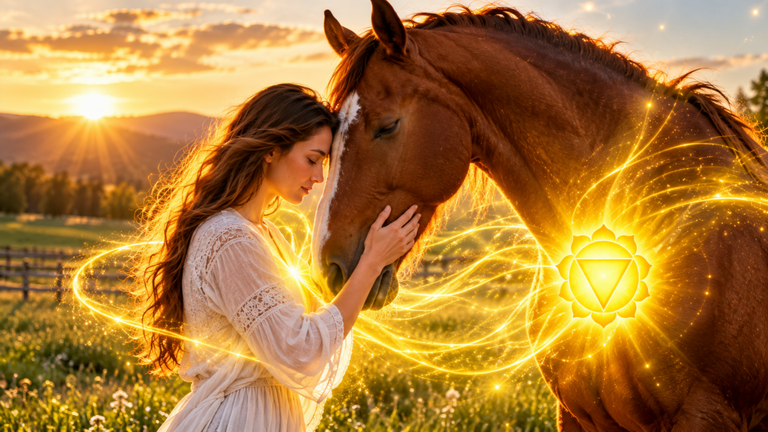
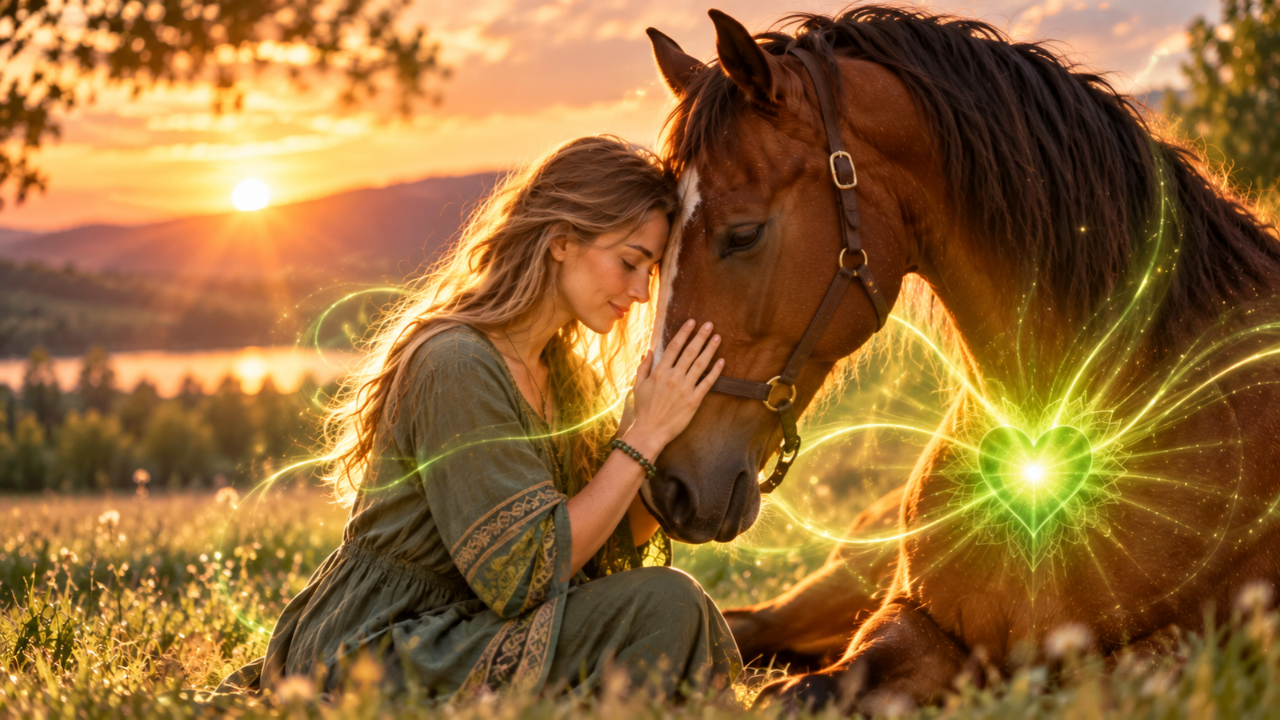
Heart chakra healing for horses is a spiritual approach inspired by traditional chakra teachings. Known as Anahata, the heart chakra symbolizes love, compassion, forgiveness, acceptance, and emotional connection. It is traditionally associated with the heart area and represented by the colour green.
In Reiki and chakra traditions, gentle hand positions, quiet reflection, and positive intentions help create a peaceful atmosphere. With horses, the emphasis is on building trust through patience, awareness, and respectful interactions.
You can explore these mindful activities while grooming your horse, spending time together in the pasture, or enjoying quiet companionship nearby. Allow your horse to choose whether to participate and respect their personal space.
Although science has not established the existence of animal chakras or demonstrated specific healing effects from Reiki, these peaceful interactions can complement responsible horse care.
The National Center for Complementary and Integrative Health explains that Reiki has not been clearly shown to be effective for health-related purposes.
However, appropriate grooming, predictable routines, attentive handling, and gentle companionship remain valuable ways to support your horse’s everyday welfare.
Why Is The Heart Chakra Important In Horse Reiki?
In traditional Reiki and chakra teachings, the heart chakra represents compassion, trust, and emotional connection. These qualities can inspire a more thoughtful approach to caring for horses and strengthening the human–horse bond.
Although animal chakras and Reiki’s healing effects have not been scientifically established, research supports humane handling, attentive observation, and positive interactions for equine welfare.
The following ten reasons explore how heart-centred activities can encourage patience, respectful companionship, and a deeper appreciation of your horse’s individual needs.
1. Encourages A Stronger Human–Horse Bond
Heart chakra practices emphasize compassion and connection, inspiring horse caregivers to strengthen relationships through patience, kindness, and consistency.
Spending quiet time together, offering familiar grooming, and responding thoughtfully to your horse’s behaviour can create opportunities for positive experiences. These gentle interactions also help you recognize your horse’s preferences and comfort signals.
As explored in our Horse Chakra Healing guide, mindful companionship and respectful interactions are important themes in chakra-inspired horse care. Taking time to observe your horse’s responses can help you understand when they welcome attention or prefer more space.
By respecting your horse’s boundaries and allowing interactions to develop naturally, you can nurture a meaningful relationship built on familiarity, understanding, and trust.
2. Promotes Mindful And Calm Handling
Heart chakra meditation encourages you to slow down, breathe naturally, and become aware of your body language before approaching your horse. These small moments of mindfulness can help you create a more peaceful and reassuring experience.
As explored in our guide to preparing yourself before offering Reiki, taking time to settle your thoughts and focus on your intentions can encourage more thoughtful interactions. You can also explore everyday mindfulness practices to develop greater patience and awareness.
Horses are sensitive to human posture, vocal tone, and emotional cues. Approaching them with relaxed movements, a gentle voice, and consistent handling can encourage comfortable interactions while supporting their safety and welfare.
Learning about Reiki and animal communication can also inspire you to pay closer attention to your horse’s body language. By recognizing subtle responses and respecting personal boundaries, you can develop a more compassionate approach to everyday care.
3. Supports Greater Awareness Of Equine Body Language
One important heart-centred practice is learning to understand your horse without relying on words. Horses communicate through their ears, eyes, facial expressions, posture, and movement, offering valuable clues about how they feel.
Observing these signals during grooming, quiet companionship, or everyday handling can help you recognize when your horse appears relaxed, curious, alert, or uncomfortable. Look at their overall behaviour rather than interpreting one gesture in isolation.
Our guide to animal Reiki and trust explores the importance of patience and respectful interactions. Understanding the ethics of animal Reiki also reinforces why your horse should always have the freedom to move away or decline contact.
Changes in behaviour can sometimes indicate discomfort, fear, or stress. Learning about the causes and effects of stress in horses can help you recognize potential concerns and respond appropriately.
By observing your horse’s individual signals and respecting their boundaries, you can develop a more compassionate relationship while recognizing when unusual behaviour may warrant veterinary attention.
4. Encourages Gentle, Respectful Touch
Heart chakra practices emphasize tenderness, compassion, and respect, inspiring a thoughtful approach to physical contact. Whether you’re grooming your horse, offering a gentle stroke, or spending quiet time together, your horse’s comfort should always guide your actions.
Research suggests that horses respond differently to grooming techniques. Gentle, responsive grooming may encourage more positive interactions, while unfamiliar or unwanted contact can cause discomfort. Watch your horse’s ears, facial expressions, posture, and movements to understand their preferences.
As explored in our Sacral Chakra Healing For Horses guide, respecting personal boundaries and allowing your horse to make choices are important parts of building trust.
Begin with familiar areas where your horse enjoys being touched, using slow, comfortable movements. Our horse care tips and tricks offer additional guidance for making everyday care a positive experience.
If your horse moves away, becomes tense, or shows signs of uneasiness, pause and allow them space. By approaching physical contact with patience and sensitivity, you can turn everyday grooming and companionship into meaningful opportunities for connection.
5. Builds Trust Through Consistency And Predictability
Trust grows through repeated positive experiences, familiar routines, and respectful interactions. Heart chakra principles encourage horse caregivers to approach everyday activities with patience, compassion, and clear communication.
Predictable handling helps horses become familiar with what to expect during grooming, leading, feeding, and turnout. Following consistent routines while remaining attentive to your horse’s individual needs can create a more reassuring environment.
Our Solar Plexus Chakra Healing For Horses guide explores how confidence, personal boundaries, and respectful companionship fit into chakra-inspired horse care.
Offering appropriate choices and using positive reinforcement can also encourage cooperation. Allow your horse time to respond, recognize small signs of progress, and avoid rushing unfamiliar activities.
Maintaining familiar routines can also help reduce unnecessary stress, particularly when introducing changes to your horse’s environment or daily activities.
Our tips for reducing stress in horses offer additional ways to recognize potential stressors and create more comfortable, supportive surroundings.
These habits can help your horse develop greater familiarity and confidence during daily interactions. Over time, consistency, kindness, and mutual understanding can strengthen the trusting relationship you share.
6. Encourages Awareness Of Your Horse’s Emotional Well-Being
Heart chakra meditation offers a peaceful opportunity to reflect on your horse’s daily experiences, emotional comfort, and individual needs. Taking a few quiet moments to observe their behaviour can help you become more attentive to subtle changes in mood, energy, and social interactions.
Consider whether your horse has enough opportunities to graze, move freely, rest comfortably, and spend time with compatible companions. These everyday needs are essential to equine welfare and reflect the compassion emphasized in heart chakra traditions.
Understanding the importance of equine therapy can also offer another perspective on the human–horse relationship. Positive interactions depend on respecting the horse’s comfort, individual temperament, and willingness to participate.
Watch for changes in appetite, social behaviour, movement, or interest in familiar activities. Although meditation cannot identify emotional distress or medical conditions, thoughtful observation can help you recognize concerns that deserve further attention.
By combining mindful reflection with responsible daily care and veterinary guidance when needed, you can support your horse’s physical and emotional well-being while nurturing a relationship grounded in kindness and understanding.
7. Encourages A More Compassionate Daily Care Routine
Compassion becomes especially meaningful when it guides the small decisions you make throughout your horse’s day. Heart chakra practices encourage patience, kindness, and awareness, helping you approach feeding, grooming, exercise, and rest with greater consideration for your horse’s comfort.
Take time to notice whether your horse enjoys grooming, has access to suitable forage and clean water, and receives enough opportunities for movement and social interaction. Providing appropriate shelter and comfortable resting areas also contributes to their overall well-being.
Thoughtful care means adapting routines to your horse’s changing needs, including age, health, temperament, and seasonal conditions. For example, our tips for keeping horses cool in summer explore practical ways to protect their comfort during warmer weather.
Compassionate handling also involves recognizing when your horse needs a break, prefers more space, or requires additional attention. Allowing appropriate choices and responding to individual preferences can make daily activities more comfortable and predictable.
By combining heart-centred intentions with responsible horse care, you can turn ordinary routines into meaningful opportunities to demonstrate kindness, strengthen trust, and support your horse’s physical and emotional welfare.
Curious About Reiki For Your Pet?
Exploring gentle ways to support your pet’s well-being can naturally lead you to Reiki, another peaceful approach centred around relaxation, connection, and quiet time together.
✨ Please Read: A Beginner’s Guide To Reiki Healing For Animals8. Creates Opportunities For Quiet Companionship
Some of the most meaningful moments with your horse happen when you aren’t asking them to do anything. Heart chakra practices encourage you to appreciate these peaceful experiences, allowing companionship to develop naturally without expectations or pressure.
You might sit quietly at a safe distance while your horse grazes, observe their movements in the pasture, or enjoy the peaceful surroundings together. These moments offer opportunities to appreciate your horse’s individual personality, preferences, and natural behaviour.
Exploring mindfulness in everyday life can help you become more present and attentive during these quiet experiences. Our guide to the power of intention in animal Reiki also offers inspiration for approaching time with your horse through compassion, patience, and thoughtful awareness.
Let your horse approach, stay nearby, or move away whenever they choose. A willingness to interact can be encouraging, but it shouldn’t be interpreted as proof of emotional healing or a spiritual connection.
Through patient observation and respectful companionship, you can create meaningful opportunities to strengthen familiarity, appreciate your horse’s individuality, and enjoy the special bond you share.
9. Reinforces The Importance Of Emotional And Physical Safety
Compassionate horse care begins with recognizing when your horse feels comfortable, uncertain, or ready for a break. Heart chakra practices encourage patience and sensitivity, reminding you that your horse’s emotional and physical safety should always come before personal expectations.
Before beginning a Reiki-inspired session, choose a familiar, peaceful environment where your horse feels secure. Maintain a safe position, avoid sudden movements, and allow enough space for your horse to move freely without feeling restricted.
Our Reiki For Horses guide explores thoughtful ways to incorporate quiet companionship and respectful interactions into everyday horse care. Always observe your horse’s posture, facial expressions, and movements to recognize signs of comfort or uneasiness.
If your horse becomes tense, moves away, or appears uncomfortable, pause the interaction and respect their choice. Persistent behavioural changes, unusual reactions, or signs of pain deserve attention from a veterinarian or qualified equine behaviour professional.
By prioritizing safety, personal boundaries, and your horse’s individual preferences, you can create a more reassuring environment while nurturing trust and compassionate companionship.
10. Connects Spiritual Reflection With Responsible Horse Care
Heart chakra healing for horses offers a meaningful reminder to approach everyday care with kindness, patience, and respect. Rather than expecting spiritual practices to produce measurable changes in your horse’s health, you can use them as opportunities to reflect on your intentions and responsibilities.
Taking a few quiet breaths before grooming, feeding, or spending time together can help you become more attentive to your horse’s individual needs. These thoughtful moments encourage you to approach familiar activities with greater awareness and consideration.
Exploring the connection between spirituality and stress relief can offer additional inspiration for incorporating personal reflection into your daily routine. While spiritual beliefs are deeply personal, they can encourage mindfulness and a more compassionate approach to relationships.
Responsible horse care also means providing suitable nutrition, regular exercise, appropriate social contact, and a comfortable living environment. Routine veterinary care and prompt attention to changes in behaviour or physical condition remain essential.
By combining heart-centred reflection with practical knowledge and evidence-based equine welfare practices, you can create a thoughtful approach to horse care that honours both your personal beliefs and your horse’s individual needs.
7 Gentle Heart Chakra Healing Practices For Horses At Home
Heart chakra healing for horses begins with love, compassion, and a willingness to listen. Every thoughtful interaction offers an opportunity to deepen the special bond you share.
These seven practices invite you to slow down and connect with your horse through kindness. Quiet reflection, patience, and mindful companionship bring heart-centred intentions into everyday care.
From peaceful meditation to familiar grooming, small gestures can express genuine affection. Creating a welcoming environment also helps your horse feel comfortable and respected.
Let your horse’s personality, preferences, and comfort guide each experience. By offering patience without expectations, you can nurture a relationship built on trust, understanding, and mutual respect.
1. Begin With A Quiet Heart-Centred Meditation
Begin your heart chakra routine with a few peaceful moments of reflection. Find a comfortable, safe place near your horse’s paddock or stable where you can observe without disturbing their activities.
Take a few natural breaths and allow your shoulders to relax. Focus on the love, patience, and understanding you wish to bring into your time together.
In traditional chakra practices, you may visualize a soft green light surrounding your heart. Let this image symbolize compassion, kindness, and your intention to nurture a trusting relationship.
Our guide to meditating with animals offers additional inspiration for developing a mindful routine. These personal reflections can help you become more attentive without expecting healing energy to transfer to your horse.
When you feel ready, approach your horse with relaxed movements and a gentle presence. Horses respond to human body language and behaviour, so watch their reactions and let them choose whether to interact.
Remember that meaningful companionship doesn’t require physical contact or a particular response. Sometimes, quietly sharing space is a beautiful way to express affection and respect.
2. Practice Gentle Grooming With Compassion
Grooming offers a lovely opportunity to care for your horse while strengthening your connection. Choose a familiar, safe location where your horse feels comfortable and secure.
Begin with suitable brushes and slow, gentle movements. Focus on familiar areas, such as the neck or shoulders, where your horse usually welcomes attention.
Watch your horse’s facial expressions, posture, and movements. Some horses enjoy particular grooming techniques, while others may be sensitive to touch or prefer shorter sessions.
Bring heart-centred awareness into your routine by focusing on patience rather than speed. Allow your horse time to respond, and pause whenever you notice tension, restlessness, or attempts to move away.
Research suggests that grooming experiences can influence how horses respond to human contact. Respecting individual preferences can help make these interactions more comfortable and positive.
Regular grooming also gives you chances to notice changes in your horse’s coat, skin, or physical condition. Addressing unusual findings promptly is another meaningful way to demonstrate compassion and responsible care.
By approaching grooming with kindness and understanding, you can transform a familiar activity into a peaceful experience. Let your horse’s comfort guide each moment, allowing trust and companionship to develop naturally.
3. Create A Peaceful Environment For Heart Chakra Reflection
A peaceful, familiar environment can make heart chakra reflection more meaningful for you and your horse. Choose a quiet time when the stable or paddock feels comfortable and welcoming.
Check that fencing is secure, footing is suitable, and your horse has enough room to move safely. Reduce unnecessary disturbances while allowing familiar sounds and everyday activities to continue.
Our guide to preparing your home for an animal Reiki session offers helpful ideas for creating a welcoming atmosphere. You can adapt these suggestions to your horse’s familiar surroundings and individual preferences.
Take a few peaceful moments to observe your horse grazing, resting, or exploring. Let these natural activities inspire compassion, gratitude, and appreciation for your equine companion.
In traditional heart chakra practices, green symbolizes love, harmony, and emotional balance. You may visualize a soft green light during your personal meditation without expecting it to influence your horse’s energy or health.
Your horse’s everyday comfort remains the top priority. Provide clean water, suitable forage, shelter, freedom of movement, and opportunities for appropriate social companionship.
A heart-centred environment doesn’t require special decorations or elaborate rituals. Through thoughtful preparation, patience, and respect, you can create meaningful moments of connection while honouring your horse’s needs.
4. Use Gentle Presence And Respectful Touch
Heart chakra practices encourage you to approach your horse with kindness, patience, and thoughtful awareness. Your presence can express compassion without requiring physical contact.
Approach your horse from a familiar, safe position, usually near the shoulder. Let them notice you before attempting contact, and observe their response before moving closer.
If your horse appears comfortable, gently rest your hand on their neck or shoulder. Keep your movements slow and predictable, and maintain a position where you can move away safely.
Some horses welcome familiar touch, while others prefer quiet companionship without physical contact. Respect these preferences and allow your horse the freedom to move away whenever they choose.
In traditional Reiki practices, some people hold their hands slightly above the body. You may include this gesture as a personal spiritual ritual, but it has no established therapeutic benefit for horses.
Watch your horse’s posture, facial expressions, and movements throughout the interaction. Remember that standing still doesn’t always indicate relaxation, so consider their overall behaviour and surroundings.
By letting your horse’s comfort guide each interaction, you show genuine compassion. These thoughtful moments can nurture familiarity, mutual understanding, and a trusting relationship.
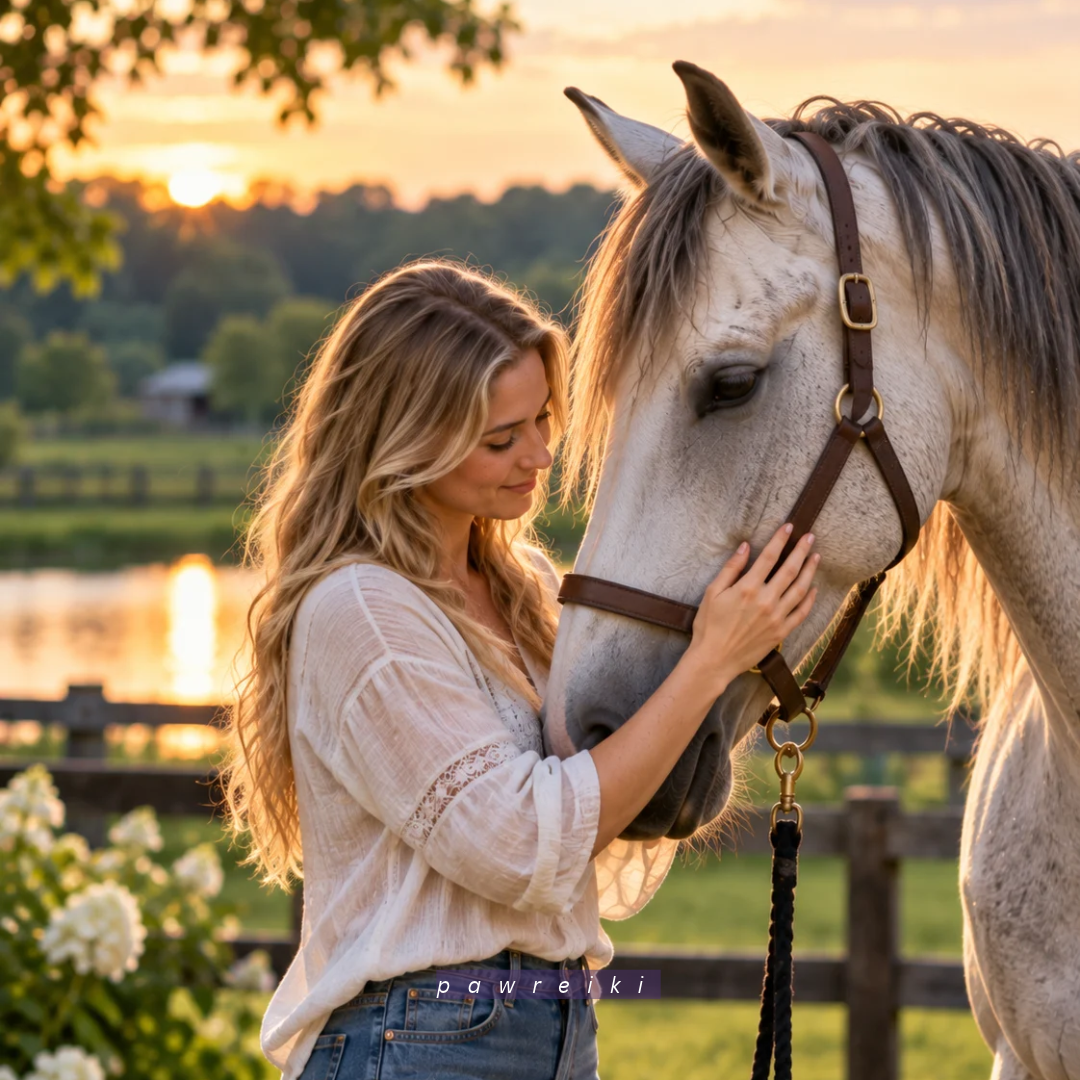
5. Build Trust Through Positive Daily Experiences
Trust grows through familiar routines, positive experiences, and compassionate interactions. Our guide to Animal Reiki And Trust Made Simple explores how patience, understanding, and respect can help nurture a trusting relationship.
Begin by greeting your horse gently and allowing them time to recognize your presence. Keep daily routines reasonably consistent so familiar activities become more predictable and reassuring.
Prepare grooming equipment in advance and use clear, familiar cues during handling. Allow enough time for each activity without rushing or expecting immediate cooperation.
Positive reinforcement can encourage your horse to participate willingly in everyday activities. Use appropriate rewards, consider their dietary needs, and recognize even small signs of progress.
If your horse becomes tense, hesitant, or attempts to move away, pause and reassess the situation. Respecting their boundaries demonstrates compassion and helps prevent unnecessary stress.
Research on equine learning highlights the value of consistent handling and positive experiences. Although no routine guarantees a particular emotional response, thoughtful interactions can encourage familiarity and cooperation.
Let your heart-centred intentions guide your actions rather than expecting affection in return. Through kindness, patience, and everyday understanding, you can nurture a trusting relationship that respects your horse’s individuality.
6. Practice Gratitude During Quiet Companionship
Gratitude is a beautiful part of heart chakra healing for horses. Taking time to appreciate your equine companion can bring warmth, compassion, and mindfulness into your daily routine.
Find a safe, peaceful place where you can quietly observe your horse. Watch them grazing, resting, or enjoying their surroundings without interrupting their natural activities.
Take a few gentle breaths and reflect on what makes your horse special. You might appreciate their personality, familiar habits, or the meaningful experiences you’ve shared.
In heart chakra traditions, gratitude symbolizes love, kindness, and emotional connection. Exploring the best practices for living a life of gratitude can inspire you to bring more appreciation into everyday moments.
Allow your horse to approach if they wish, but never insist on interaction. Respecting their independence and personal space is another meaningful way to demonstrate affection.
You might also reflect on the small moments that brought you joy throughout the day. A familiar greeting, a relaxed grooming session, or a peaceful walk can become a cherished memory.
By practising gratitude without expectations, you can better appreciate your horse’s individuality. These quiet moments encourage patience, understanding, and a relationship rooted in compassion and respect.
7. End The Day With A Gentle Reflection Routine
End your day with a few peaceful moments of gratitude and reflection. Heart chakra practices encourage you to appreciate the time you’ve shared while considering your horse’s comfort and well-being.
After completing your horse’s usual evening care, find a quiet place to reflect. Think about the interactions you enjoyed and the moments when your horse appeared comfortable or needed more space.
Consider whether your horse responded differently to familiar activities throughout the day. Changes in appetite, movement, grooming preferences, or social behaviour may offer important clues about their individual needs.
Keeping a small journal can help you recognize patterns and remember meaningful experiences. Record your observations, positive interactions, and any concerns you would like to monitor.
Remember that unusual behaviour doesn’t necessarily indicate a chakra imbalance. Physical discomfort, environmental stress, or health concerns may influence your horse’s responses and deserve veterinary attention when appropriate.
Finish by setting a loving, practical intention for tomorrow. You might allow more time for grooming, adjust a familiar routine, or create additional opportunities for comfortable companionship.
Through daily reflection, you can bring greater awareness, gratitude, and compassion into your relationship. These thoughtful habits help keep your horse’s happiness, safety, and individual needs at the heart of your care.

Frequently Asked Questions
Q1: How Often Can I Practice Heart Chakra Healing With My Horse?
You can include heart chakra healing for horses in your daily routine whenever it feels appropriate. A few minutes of peaceful reflection or quiet companionship can become a meaningful experience.
There is no need to follow a strict schedule or complete lengthy sessions. Our guide to short Reiki sessions vs long ones for animals offers additional perspective, while your horse’s comfort should always guide your approach.
Q2: Can I Practice Heart Chakra Healing Without Touching My Horse?
Absolutely! Physical contact isn’t necessary for heart-centred meditation or spiritual reflection. You can quietly observe your horse from a safe distance while focusing on compassion and kindness.
Allow your horse to continue grazing, resting, or exploring without interruption. Respecting their independence and personal space is a meaningful expression of love.
Q3: What Colour Is Associated With The Heart Chakra?
Green is traditionally associated with the heart chakra, symbolizing love, compassion, harmony, and emotional balance. You may visualize a soft green light during meditation to inspire thoughtful reflection.
This visualization is a personal spiritual practice rather than a treatment. There is no scientific evidence that green light or objects activate a horse’s chakra or produce healing effects.
Q4: Can Heart Chakra Healing Replace Veterinary Treatment?
No. Heart chakra healing and Reiki are complementary spiritual practices, not substitutes for professional veterinary care. Our guide to how Reiki differs from traditional veterinary care explains this important distinction.
Consult a veterinarian if you notice unusual behaviour, changes in appetite, lameness, or signs of discomfort. Early attention to potential health concerns is an essential part of compassionate horse care.
Q5: Can Heart Chakra Healing Help Me Build Trust With My Horse?
Heart chakra practices can encourage you to approach your horse with greater patience, kindness, and awareness. These qualities can inspire positive interactions and more thoughtful daily care.
Trust develops through consistent handling, respectful boundaries, and familiar experiences rather than spiritual rituals alone. Allow your horse time to respond and appreciate each small step toward greater familiarity.
Q6: How Can I Tell If My Horse Is Comfortable During Heart Chakra Practices?
Observe your horse’s overall body language, including their ears, eyes, posture, and movements. Comfortable horses may continue familiar activities or voluntarily approach, although individual responses vary.
Watch for tension, avoidance, restlessness, or changes in normal behaviour. If your horse appears uncomfortable, pause the interaction and allow them space without expecting a particular response.
Helpful External Resources
If you’d like to explore pet wellness, behaviour support, or gentle healing practices further, here are trusted organizations and educational resources you may find helpful:
- American Veterinary Medical Association (AVMA) – General pet health, behaviour guidance, and care resources.
- ASPCA Pet Care Library – Behaviour tips, anxiety support, and animal-care information.
- VCA Animal Hospitals: Know Your Pet – Comprehensive articles written by veterinarians.
- International Center for Reiki Training (ICRT): Animal Reiki – Introductory information and classes for working with animals.
- Shelter Animal Reiki Association (SARA) – Ethical, animal-led Reiki practices and training.
Conclusion
Heart chakra healing for horses offers a beautiful opportunity to bring love, compassion, and mindfulness into your relationship with your equine companion.
Through peaceful meditation, familiar grooming, and quiet companionship, you can create meaningful moments that celebrate the special bond you share.
Every thoughtful interaction is an opportunity to demonstrate patience, kindness, and understanding. By observing your horse’s behaviour, respecting their boundaries, and responding to individual preferences, you can nurture trust through everyday experiences.
Although heart chakra practices are spiritual rather than proven medical treatments, they can inspire a more compassionate approach to horse care.
Combine these personal reflections with appropriate veterinary guidance, positive handling, and attention to your horse’s physical and emotional needs.
Let love guide your intentions, and your horse’s comfort guide your actions. Through consistency, respect, and genuine appreciation, you can build a meaningful relationship that honours your horse’s individuality and well-being.
I trust you enjoyed this article on Heart Chakra Healing for Horses. Please stay tuned for more Reiki insights, pet wellness tips, and holistic lifestyle ideas.
Take care!
— JeannetteZ 🐾💜
💬 Your Opinion Is Important To Me
Do you have thoughts, ideas, or questions? I’d love to hear from you. Please leave your comments below or email me directly at Jeannette@pawreiki.com.
📚 More PawReiki Reads — Discover Energy Healing & Holistic Pet Wellness
💜 My #1 Recommendation for Online Success
Reiki has brought so much peace and purpose to my life, and sharing it online has been a true blessing. If you’ve ever dreamed of creating a gentle income stream around your love for animals and holistic healing, this platform gives you all the tools, training, and community support you need — no tech experience required.
🌟 See How Reiki Lovers Build Online Income — Try WA FreeNo credit card required · Free starter training included
Disclosure
This post may contain affiliate links. As an Amazon Associate and participant in other affiliate programs, I earn from qualifying purchases at no extra cost to you. Please read my full affiliate disclosure.