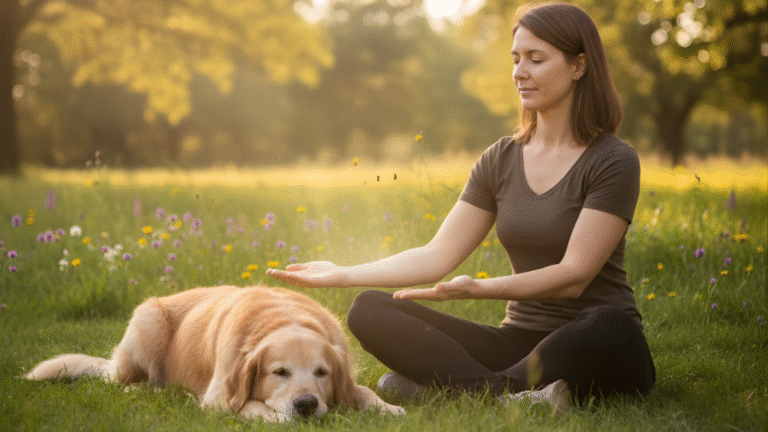
Reiki Support For Pets After Surgery
Reiki Support for Pets After Surgery can offer gentle comfort during a time when your companion needs extra care. Recovery can feel overwhelming for both you and your pet, and small moments of calm can make a meaningful difference.
Reiki creates a quiet space where your pet can relax and release tension. This simple practice brings softness into a time filled with rest, healing, and new routines.
Many animals respond well to peaceful presence after surgery. When the environment feels calm, they settle more easily, breathe more deeply, and rest with less worry. Reiki does not replace veterinary care, but it can be a supportive part of your pet’s recovery.
This article explores how Reiki fits into healing, what signs to look for, and simple ways to bring more comfort to your pet at home.
What Is Reiki, And Why Do Pets Benefit During Recovery
Reiki is a gentle practice that encourages calm, balance, and emotional ease. It does not rely on pressure or technique. Instead, it offers a quiet moment where your pet can settle, rest, and release tension at their own pace.
During recovery, pets often experience new sensations, restricted movement, or a change in routine. These shifts can leave them feeling uncertain or unsettled. Reiki helps soften these feelings by creating an atmosphere of steady, soothing presence.
Animals respond naturally to this type of calm. Some breathe more deeply. Others rest more comfortably or relax into sleep. Even subtle signs, like soft eyes or looser muscles, show that your pet is finding comfort in the moment.
Reiki does not replace medical care, but it can support the healing process by helping your pet feel safe and emotionally grounded. When an animal feels more at ease, rest often comes more easily—and rest is an integral part of recovery.
Reiki offers a gentle way to support your pet through each step of healing, bringing peace into a time when everything else may feel unfamiliar.
Preparing To Use Reiki After Your Pet’s Surgery
Before introducing Reiki into your pet’s recovery routine, it helps to create an atmosphere that feels safe and peaceful. After surgery, pets need quiet moments, predictable surroundings, and gentle reassurance. Reiki fits naturally into this type of environment.
Start by choosing a spot where your pet already feels comfortable. This might be a favourite blanket, a cozy corner, or a quiet room away from activity. Soft lighting, a calm voice, and a slow pace help your pet settle before you begin.
Your own state matters too. Animals sense our emotions immediately. Taking a few slow breaths can help you feel grounded. When you feel calm, your pet picks up on that steadiness and relaxes more easily.
It’s also important to follow your veterinarian’s guidance. Reiki is gentle, but your pet may need time to stabilize after surgery. Once they are comfortable resting, you can begin offering quiet moments of Reiki without touching the incision or disturbing sensitive areas.
There is no need for special tools or complicated steps. Reiki is simply about being present. When your pet feels your quiet attention and supportive intention, they often begin to release tension on their own.
Preparing the space—and yourself—with softness sets the tone for everything that follows.

How To Use Reiki After Your Pet’s Surgery
Recovery can bring changes in routine, comfort, and energy. These gentle steps help you create a peaceful space for Reiki and support your pet as they heal.
1. Choose A Calm And Familiar Space
Pick a spot where your pet already feels safe. A favourite bed, a quiet corner, or a cozy blanket helps them settle more easily. Soft lighting and a peaceful atmosphere make a big difference.
2. Slow Your Own Energy First
Pets read our emotions instantly. Before you begin, take a few slow breaths. Allow your shoulders to loosen and your thoughts to quiet. When you feel calm, your pet feels that calmness too.
3. Follow Your Vet’s Guidance
Your veterinarian will let you know when your pet is stable enough for gentle rest and relaxation. Reiki is safe, but avoid touching sensitive areas or disturbing stitches. The goal is comfort, not technique.
4. Keep The Environment Predictable
Recovery can make pets feel unsure. Gentle routines, soft voices, and minimal noise help them feel more secure during Reiki moments. Small details create a sense of safety.
5. Let Your Pet Lead
You don’t need to guide or position your pet. If they want to lie down, sit, stretch, or shift, let them decide. Their natural movements show what feels comfortable as they recover.
Preparing in this gentle way sets the foundation for calm, supportive Reiki moments throughout your pet’s healing journey.
Reiki Support For Pets After Surgery: What A Session Looks Like
Reiki sessions during recovery are gentle, flexible, and shaped entirely by your pet’s comfort. There is no right or wrong way for them to respond. The goal is to create a calm moment where they can rest and release tension.
1. Your Pet Chooses The Position
Most animals settle into a favourite resting spot. Some lie down. Others sit upright or shift around during the session. Their natural movements help them feel safe.
2. You Offer Quiet Presence
Reiki begins with stillness. Sit close enough for your pet to sense your calm energy, but do not force touch or interaction. Many pets relax simply because the environment feels peaceful.
3. Hands-On Or Hands-Off
If your pet enjoys touch, you may rest your hands gently on areas away from the surgical site. If they prefer more space, keep your hands nearby without contact. Both ways are effective and comforting.
4. Sessions Stay Short
Recovery can be tiring. A few minutes of calm may be all your pet needs. As they heal, they may stay longer, settle faster, or show clearer signs of relaxation.
5. Watch For Small Signs Of Release
Soft eyes, deeper breathing, stretching, or a gentle sigh show your pet is relaxing. Some animals drift into sleep. Others simply stay close and enjoy the quiet moment.
A Reiki session after surgery is less about technique and more about connection. These gentle moments help your pet feel supported, grounded, and safe as their body continues to heal.
Simple Reiki Moments You Can Offer At Home
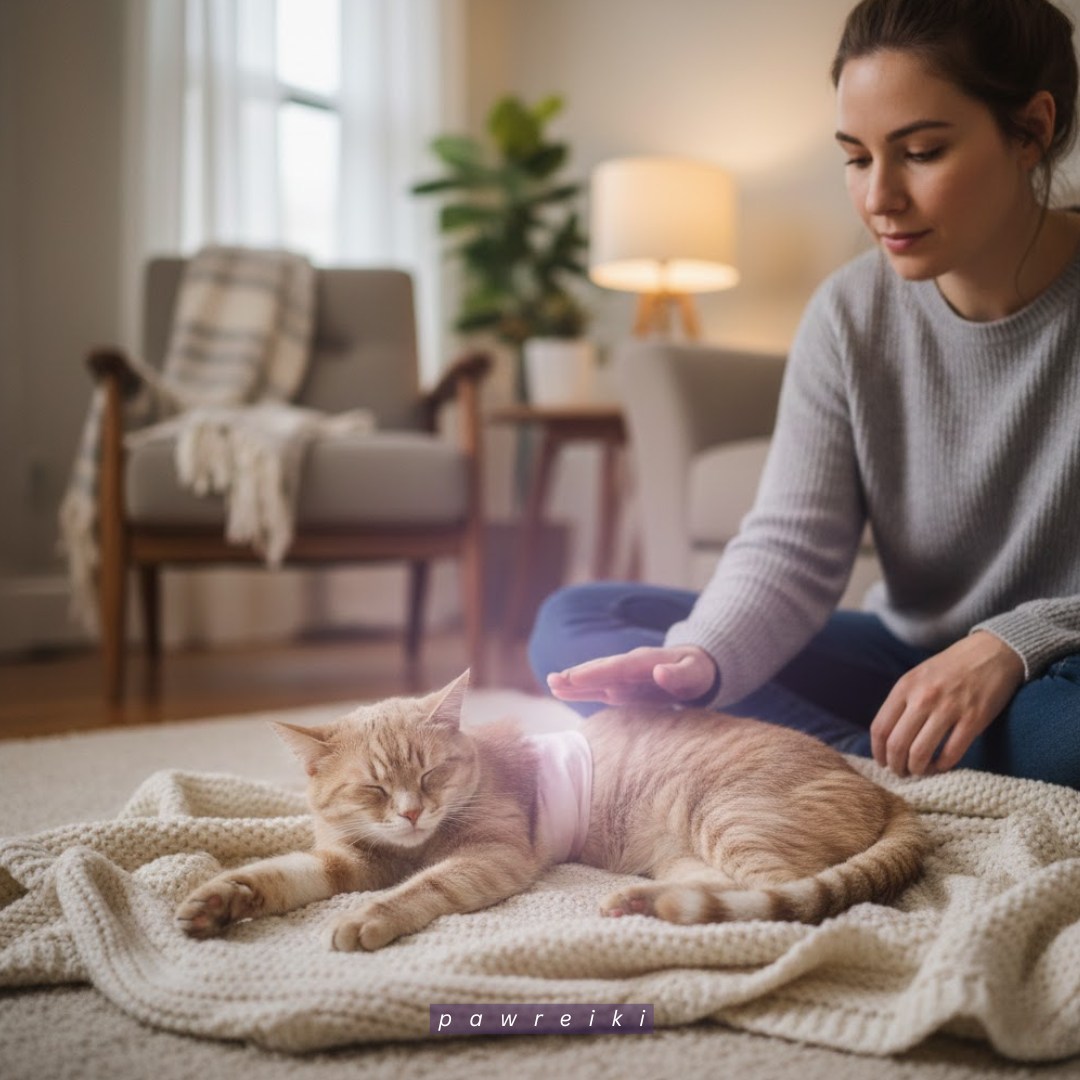
Reiki at home does not need special steps or experience. Your calm presence is the most supportive part. These gentle moments help your pet feel safe, relaxed, and cared for as they continue healing after surgery.
1. Begin With Stillness
Sit near your pet and let the room settle. Take a few slow breaths and let your energy soften. Pets sense this ease right away, and it helps them relax, too.
2. Offer Space, Not Expectations
You do not need to guide your pet into a specific position. Let them sit, lie down, or shift as required. Their natural movements show what feels comfortable for their healing body.
3. Use Gentle, Hands-Off Support
If your pet enjoys touch, place your hands lightly on areas far from the incision. If they prefer space, keep your hands nearby without contact. Hands near the pet are just as comforting and keep the recovery sites undisturbed.
4. Keep Sessions Short And Sweet
A few minutes is often enough. Recovery takes energy, and short periods of calm fit better into your pet’s healing rhythm. If they stay longer on their own, let the moment continue naturally.
5. End When Your Pet Signals It
Your pet may stretch, shift away, or fall into deeper rest. These cues show the moment is complete. Ending gently honours their boundaries and builds trust.
These simple practices bring a sense of peace into your pet’s recovery. Even brief Reiki moments can help your companion feel supported, understood, and emotionally grounded as they heal.
Things To Keep In Mind During Recovery
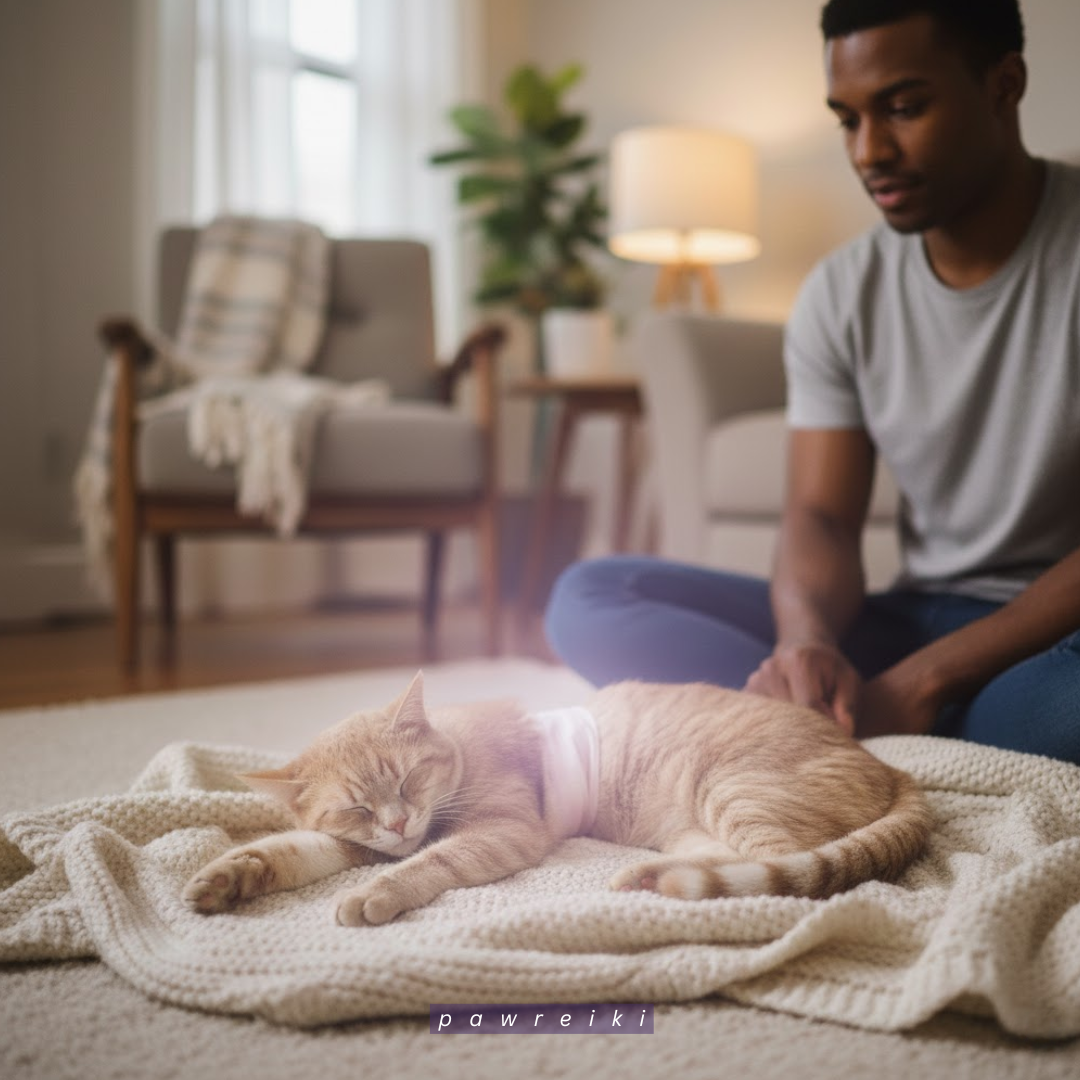
Reiki can be a beautiful source of comfort after surgery, but your pet’s safety and emotional well-being always come first. These gentle reminders help you offer Reiki in a way that supports healing without adding stress or pressure.
1. Reiki Supports, But Does Not Replace Vet Care
Surgery recovery can bring discomfort, medication changes, and follow-up instructions. Reiki adds emotional calm, but your veterinarian’s guidance always leads the way. Both work together to support your pet fully.
2. Comfort Matters More Than Technique
Your pet may prefer distance one day and closeness the next. Follow their cues. If they shift, stretch, or walk away, allow them to choose what feels good. Their comfort is always the priority.
3. Every Pet Responds Differently
Some animals relax instantly. Others stay alert but peaceful. Response varies based on personality, energy, and healing needs. Subtle signs—like softer breathing or quieter behaviour—are just as meaningful as deep relaxation.
4. Keep The Environment Calm
Noise, sudden activity, or unfamiliar visitors can make recovery harder. Soft voices, predictable routines, and gentle transitions help your pet settle more easily during Reiki moments.
5. Be Patient With The Healing Process
Recovery takes time. Reiki creates calm, but you may see shifts slowly. Small changes—like better sleep, softer behaviour, or a more settled mood—often appear over several sessions.
These mindful considerations help you offer Reiki in a way that feels safe, nurturing, and respectful of your pet’s healing journey.
Want to Share Your Love for Pet Reiki?
Discover how rewarding it can be to bring healing energy and compassion to pets — and to share that passion online with others.
How To Tell Reiki Is Helping Your Pet
When your pet is recovering from surgery, the signs of comfort may be small and subtle. Reiki works quietly, and animals often show their response in gentle shifts rather than dramatic changes. These cues help you understand how your pet is benefiting.
1. Softer Breathing And Relaxed Muscles
Many pets begin to breathe more deeply or release a long, quiet sigh. Their body may look less tense, with shoulders, paws, or muscles softening into rest.

2. Improved Sleep Or More Restful Naps
Rest is a big part of healing. Pets receiving Reiki often settle more easily and sleep more soundly afterward. Even a short nap with peaceful body language can show that they feel safe.
3. Calmer Behaviour After Sessions
Your pet may seem less on edge, less reactive, or more content. This gentle emotional shift helps them handle recovery routines with less worry or resistance.
4. Choosing To Stay Close During Reiki
When Reiki feels comforting, pets often choose to remain nearby. They may lean gently into your space, lie down at your feet, or simply stay within arm’s reach.
5. Subtle Energy Shifts
These may look like slow tail wags, softer eyes, relaxed ears, or a general sense of openness. Even small changes can show your pet is releasing tension and finding balance.
6. More Interest In Normal Activities
As your pet feels calmer and more grounded, you may notice more curiosity or a brighter mood between resting periods. Small sparks of normal behaviour are a positive sign.
Reiki does not create instant transformation. Instead, it brings quiet support, helping your pet feel safe, balanced, and gently reassured as they move through recovery.
Myths And Misunderstandings About Reiki Support For Pets After Surgery
Reiki is simple and gentle, yet many ideas about it can create confusion for pet parents. Clearing up these myths helps you feel more confident as you support your companion during recovery.
1. My Pet Has To Sit Still For Reiki To Work
Pets do not need to stay in one place. They can walk around, stretch, shift, or settle in a different position. Movement is completely natural. Reiki follows your pet’s comfort, not the other way around.
2. Reiki Replaces Medical Care
Reiki never takes the place of veterinary treatment. It supports emotional ease and relaxation, but surgery recovery always requires proper medical care. Reiki simply brings gentle comfort alongside your vet’s plan.
3. I Need Special Training To Help My Pet
You do not need certification or complicated skills to offer a calming presence. Soft attention, slow breathing, and peaceful intention are enough. Animals respond more to your energy than to any specific technique.

4. Reiki Must Involve Touch
Hands-on contact is optional. Many pets prefer hands-off Reiki, especially during recovery when certain areas feel sensitive. The comfort comes from calm presence, not physical touch.
5. My Pet Has To React Dramatically For Reiki To Work
Some animals show significant signs of relaxation. Others remain quiet or subtle. Soft eyes, deeper breaths, or simply choosing to stay near you can all indicate that Reiki is helping.
6. Reiki Works Only If You Believe In It
Pets do not need to understand Reiki or believe in anything. They respond naturally to the peaceful environment you create. Calm intention is what makes the difference.
Understanding these myths helps remove pressure and keeps the focus on what matters most: offering your pet gentle emotional support as they heal.
Frequently Asked Questions About Reiki Support For Pets After Surgery
Pet parents often have questions when adding Reiki to their animal’s healing routine. These simple answers help you feel more confident as you support your companion during recovery.
Q1: When Can I Start Offering Reiki After Surgery?
You can begin once your pet is stable, resting comfortably, and cleared by your veterinarian. Some pets are ready within a day or two. Others need a little more time. Always follow your vet’s guidance before introducing anything new.
Q2: Does My Pet Need To Stay Still During Reiki?
Not at all. Pets often shift positions, stretch, or even walk away for a moment. This is normal. Reiki works best when your pet is free to move and choose what feels comfortable.
Q3: Can I Offer Reiki Without Touching My Pet?
Yes. Hands-off Reiki is gentle and often preferred after surgery, especially if your pet has tender or sensitive areas. Your calm presence is what brings comfort, not physical contact.
Q4: How Long Should A Reiki Session Last During Recovery?
Short sessions are ideal. Even two to five minutes can be helpful. If your pet settles and chooses to stay longer, let the moment continue naturally. When they shift or move away, the session is complete.
Q5: What Signs Show That Reiki Is Helping My Pet?
Look for softer breathing, relaxed muscles, quieter behaviour, or deeper rest after the session. Small changes count. Many pets also show more ease or brighter moods between recovery naps.
Q6: Can I Combine Reiki With My Pet’s Medications Or Other Therapies?
Yes. Reiki is gentle and does not conflict with medication, physical therapy, or your vet’s recovery plan. It supports emotional calm while your pet receives proper medical care.
Q7: Is Reiki Safe For Senior Pets Recovering From Surgery?
Yes. Older pets often appreciate the peaceful stillness Reiki offers. It helps them settle more easily without adding pressure or strain. As always, follow your veterinarian’s recommendations for touch, movement, and rest.
Q8: What If My Pet Seems Uninterested?
Some pets show subtle responses. They may stay nearby, glance toward you, or rest quietly without dramatic changes. This still counts. Reiki is about calm presence, not performance.
Helpful External Resources
If you’d like to explore pet wellness, behaviour support, or gentle healing practices further, here are trusted organizations and educational resources you may find helpful:
- American Veterinary Medical Association (AVMA) – General pet health, behaviour guidance, and care resources.
- ASPCA Pet Care Library – Behaviour tips, anxiety support, and animal-care information.
- VCA Animal Hospitals: Know Your Pet – Comprehensive articles written by veterinarians.
- International Center for Reiki Training (ICRT): Animal Reiki – Introductory information and classes for working with animals.
- Shelter Animal Reiki Association (SARA) – Ethical, animal-led Reiki practices and training.
Wrapping Up
Recovery after surgery can feel like a tender time for both you and your pet. Reiki offers a calm, supportive way to bring comfort into those quiet moments when your companion needs reassurance the most.
With gentle presence and a peaceful environment, your pet can relax more easily and settle into the healing process at their own pace. Reiki does not replace medical care, but it blends beautifully with the routines you already follow. Even simple, short sessions can help your pet feel safe, grounded, and emotionally supported.
As you move through this healing journey together, trust your pet’s cues, trust your connection, and allow the calm you create to guide each moment. Sometimes it’s the softest things that make the biggest difference.
I trust you enjoyed this article on Reiki Support For Pets After Surgery. Please stay tuned for more Reiki insights, pet wellness tips, and holistic lifestyle ideas.
Take care!
— JeannetteZ 🐾
💬 Your Opinion Is Important To Me
Do you have thoughts, ideas, or questions? I’d love to hear from you. Please leave your comments below or email me directly at Jeannette@pawreiki.com.
📚 More PawReiki Reads — Discover Energy Healing & Holistic Pet Wellness
💜 My #1 Recommendation for Online Success
Reiki has brought so much peace and purpose to my life, and sharing it online has been a true blessing. If you’ve ever dreamed of creating a gentle income stream around your love for animals and holistic healing, this platform gives you all the tools, training, and community support you need — no tech experience required.
🌟 See How Reiki Lovers Build Online Income — Try WA Free
No credit card required · Free starter training included
Disclosure
This post may contain affiliate links. As an Amazon Associate and participant in other affiliate programs, I earn from qualifying purchases at no extra cost to you. Please read my full affiliate disclosure.