Pet Meditation Techniques
Pets feel emotions deeply, and the Pet Meditation Techniques are a simple way to help animals stay calm, relaxed, and emotionally balanced at home.
Pets often sense human mood, energy, and surroundings every day. When a pet becomes anxious, restless, or overly excited, meditation can help restore peace naturally.
Learning basic meditation methods allows owners to spend quiet, meaningful time with their animals. You do not need professional training to start.
With patience, gentle attention, and a peaceful connection, you can practice meditation with your pet and strengthen your emotional bond while supporting their mental comfort and overall well-being.
What Is Pet Meditation?
Pet meditation is a calm practice in which owners help animals relax through quiet presence, breathing awareness, and gentle attention.
The goal is not to control your pet. Instead, it is about creating a peaceful atmosphere where the animal feels safe and emotionally balanced. Animals naturally live in the present moment.
Because of this, they respond strongly to calm energy. When owners slow down their breathing and remain relaxed, pets often mirror that state. Pet meditation does not require complex rituals.
In most homes, it involves sitting quietly with your pet, offering gentle touch, and focusing on peaceful interaction. Over time, these moments can help reduce stress, improve behaviour, and deepen trust.
How To Practice Meditation Techniques With Different Pets At Home
1. Meditation With Dogs
Dogs are naturally social animals and enjoy quiet bonding time with their owners. Meditation with dogs helps them release stress and feel emotionally secure.
Walking Meditation
Take your dog for a slow and relaxed walk in a quiet place. Focus on calm breathing and gentle movement while walking together. Do not rush or pull the leash.
Allow your dog to explore the surroundings naturally. This peaceful walk helps reduce stress, improves your dog's mood, and creates a calm bonding experience between you and your pet.
Quiet Sitting Meditation
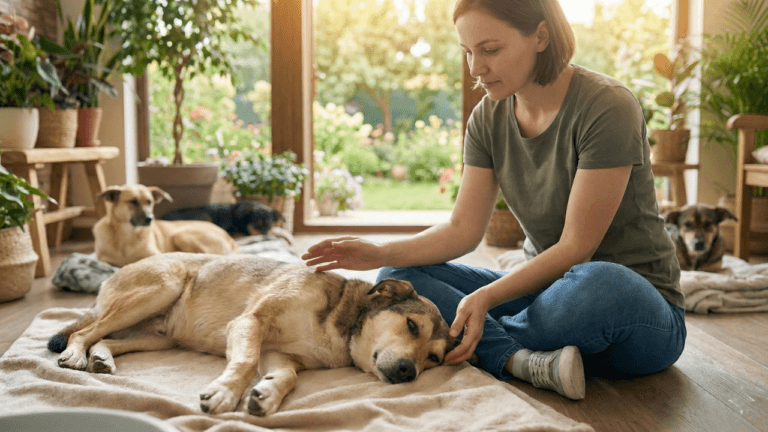
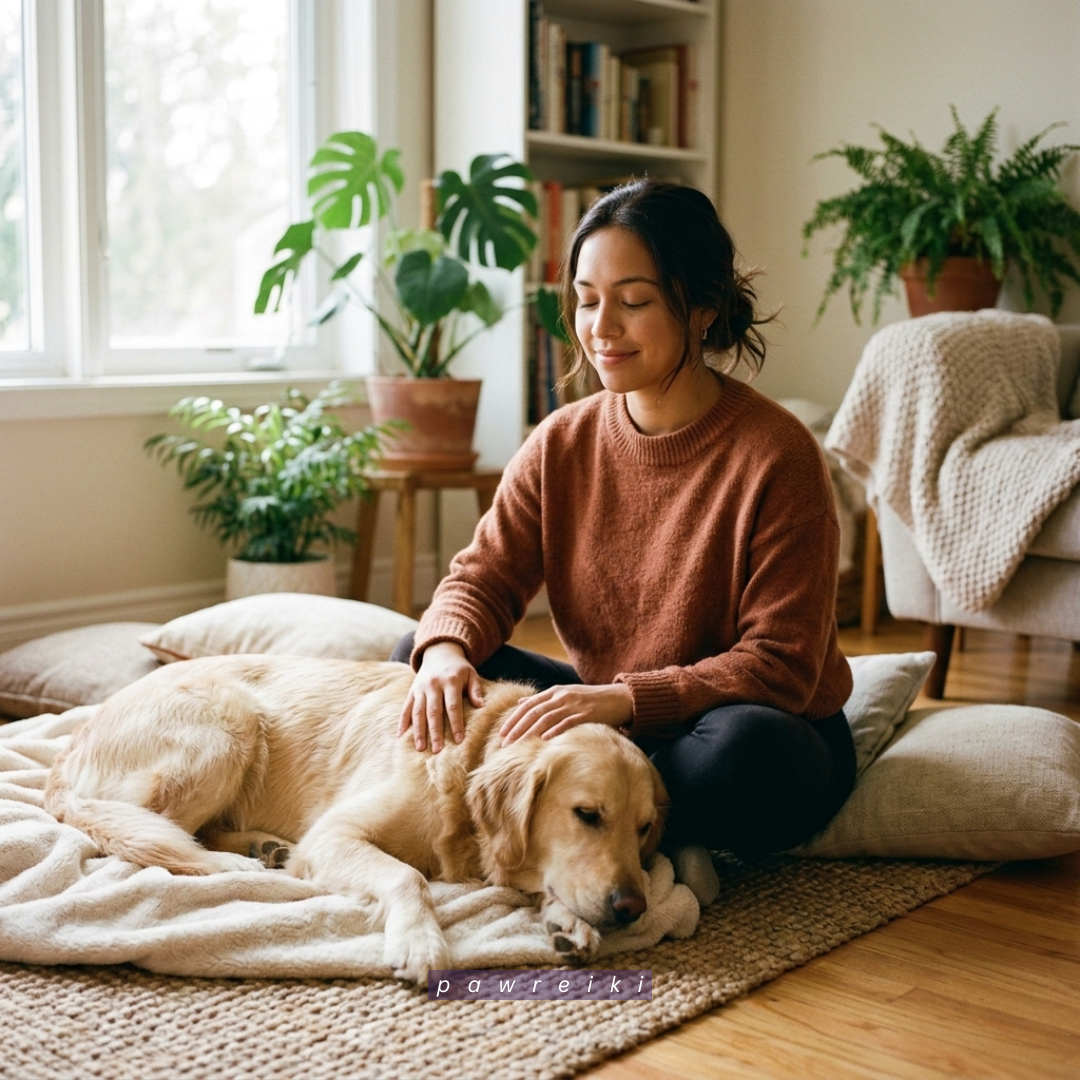
Sit beside your dog when they are resting comfortably. Place your hand gently on their back or chest to create a feeling of connection and safety. Breathe slowly and stay relaxed.
Dogs can sense calm energy from their owners, and this peaceful moment helps them feel emotionally secure, reduce anxiety, and build a deeper bond of trust with you.
Bedtime Relaxation
Before your dog goes to sleep, spend a few quiet minutes together in a calm environment. Soft petting, gentle words, and slow breathing can help your dog relax after a long day.
This simple bedtime routine makes them feel safe and loved. Over time, it can improve their sleep quality and create a peaceful ending to the day.
2. Meditation With Cats
Cats are independent animals, so meditation with them should be gentle and natural. The goal is to create a peaceful presence rather than forcing interaction.
Observation Meditation
Sit quietly in the same room as your cat, who is relaxing. Avoid calling them or trying to touch them right away. Simply observe their natural behaviour and movements.
Cats often appreciate calm and respectful space. When they feel safe and unpressured, they may slowly come closer to you, creating a peaceful and trusting connection.
Gentle Touch Meditation
If your cat chooses to sit beside you or on your lap, gently stroke their head, neck, or back. Keep your movements slow, soft, and relaxed. Avoid sudden or fast touches that may disturb them.
This calm interaction helps your cat feel safe and comfortable while also creating a soothing, affectionate moment between you.
Purring Relaxation
When your cat begins to purr, remain calm and still. Take slow, deep breaths and enjoy the peaceful moment. The gentle vibration of a cat's purring naturally creates a relaxing atmosphere. This quiet time can reduce stress for both you and your cat while also strengthening the emotional bond you share.
3. Meditation With Birds
Birds are sensitive creatures that respond strongly to sound and movement. Meditation with birds should focus on calm energy and quiet surroundings.
Soft Voice Meditation
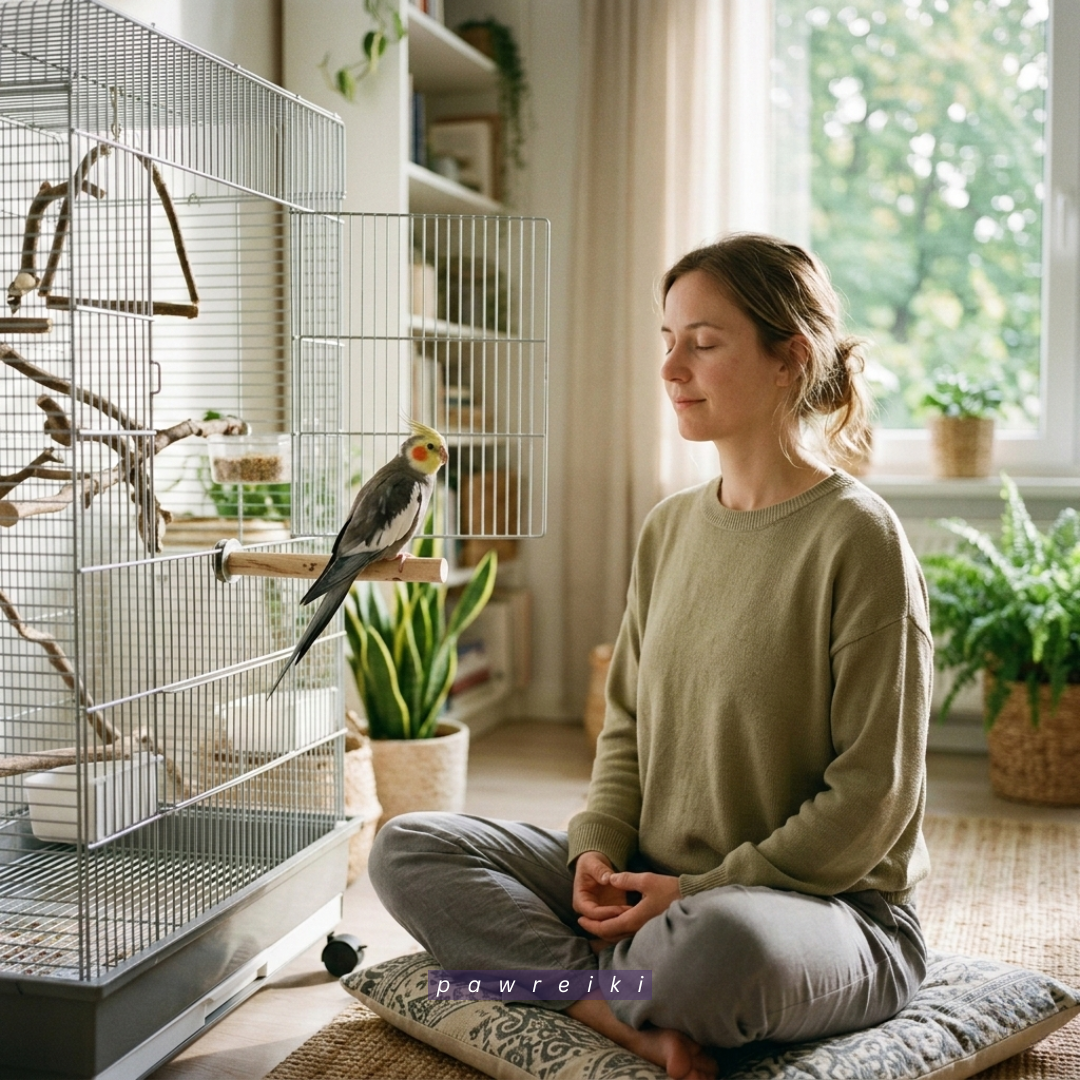
Sit near your bird's cage in a calm and quiet environment. Speak softly, using a gentle soothing tone. Birds are very sensitive to sound and often respond positively to calm, rhythmic voices.
Avoid loud noises or sudden sounds. This calm exchange enhances the emotional bond between you and your pet, fosters trust, and makes your bird feel protected.
Quiet Presence
Spend time sitting quietly near your bird without making sudden movements. Keep your posture relaxed and breathe slowly to create a calm atmosphere. Birds quickly notice body language and energy.
When you remain peaceful and still, the bird feels more secure and comfortable. This quiet presence helps reduce stress and encourages your bird to feel safe in your company.
Morning Light Meditation
In the early morning, sit near your bird while natural sunlight enters the room. Morning light creates a gentle and positive environment for birds.
Stay calm and breathe slowly as you observe your bird's peaceful activity. This quiet moment helps support the bird's natural rhythm, improves mood, and creates a relaxing and refreshing start to the day.
4. Meditation With Rabbits
Rabbits are gentle and sensitive animals. They prefer calm environments and soft interaction with their owners.
Floor Meditation
Sit quietly on the floor in a calm and safe space where your rabbit can move freely. Being at the same level helps the rabbit feel less threatened and more comfortable around you.
Avoid sudden movements or loud sounds. Allow your rabbit to explore naturally. This peaceful environment encourages trust and helps your rabbit feel relaxed and secure.
Gentle Petting Meditation
If your rabbit slowly approaches you, gently stroke the top of their head or along their back. Use slow and careful movements so the rabbit does not feel startled.
Rabbits enjoy soft and calm touch when they feel safe. This quiet interaction helps them relax, reduces nervousness, and strengthens the gentle bond between you and your pet.
Quiet Presence
Spend a few peaceful minutes sitting near your rabbit without forcing interaction. Keep your body relaxed and breathe slowly to create a calm atmosphere. Rabbits are sensitive to energy and quickly notice peaceful surroundings.
Your quiet presence helps them feel comfortable and secure, making meditation time a soothing and stress-free experience for both of you.
5. Meditation With Horses
Horses are very perceptive creatures that can sense human emotions with ease. Meditation with horses helps build trust and emotional balance.
Standing Calm Meditation
Stand quietly beside the horse in a calm environment. Steer clear of abrupt movements and maintain a calm physique. If the horse feels comfortable, gently place your hand on its neck or shoulder.
Breathe slowly and stay peaceful. Horses are very sensitive to human emotions, and your calm energy can help the horse relax and feel safe and balanced.
Soft Energy Connection
Remain calm and avoid loud talking or quick movements while near the horse. Focus on slow breathing and relaxed body language. Horses naturally sense human energy and emotions.
When you stay peaceful and steady, the horse begins to feel more comfortable and trusting. This gentle connection helps create emotional balance and strengthens the bond between you and the horse.
Quiet Bonding Time
Spend a few quiet minutes standing or sitting near the horse without forcing any activity. Simply share a peaceful moment in silence. Horses often enjoy calm companionship and gentle presence.
This quiet bonding time helps build deeper trust, improve emotional understanding, and create a strong, respectful relationship between the horse and the owner.
Benefits Of Pet Meditation
1. Reduces Stress And Anxiety In Pets
Pet meditation helps animals release stress and emotional tension. Using a simple Pet Meditation Technique, pets can spend quiet time with their owners through calm breathing and gentle presence.
This peaceful interaction helps them feel safer and more relaxed. It also lowers anxiety levels, especially for pets that feel nervous during loud noises, separation, or unfamiliar situations.
Regular meditation practice creates emotional stability. Over time, pets become calmer, less reactive, and more comfortable in their daily surroundings.
2. Enhances The Relationship Between Owner And Pet
Meditation with pets creates a deep emotional connection between animals and their owners. When you sit quietly with your pet, breathe slowly, and share calm energy, your pet feels your presence and trust.
This shared, peaceful time helps build stronger nonverbal communication. Pets begin to recognize their owner as a source of safety and comfort.
Over time, this bonding practice improves loyalty, affection, and mutual understanding between you and your pet.
3. Improves Emotional Balance
Pets can absorb emotional energy from their environment. Meditation helps them release negative emotions and regain balance.
Calm breathing, gentle touch, or quiet sitting together can help pets settle their feelings and feel more secure. Animals that practice relaxation with their owners often show fewer mood swings, less nervous behaviour, and more stable emotions.
This emotional balance supports better behaviour, healthier relationships with people, and a more peaceful daily routine.
4. Encourages Calm Behaviour
Regular meditation time helps pets learn how to relax and remain calm. When animals experience quiet moments without stress or excitement, they gradually learn to slow their energy.
This practice is especially helpful for pets that are hyperactive or easily distracted. Calm interaction, gentle touch, and slow breathing create a peaceful environment.
Over time, these moments reduce excessive barking, jumping, and restless behaviour. As a result, pets develop better self-control and become calmer, more balanced companions inside the home.
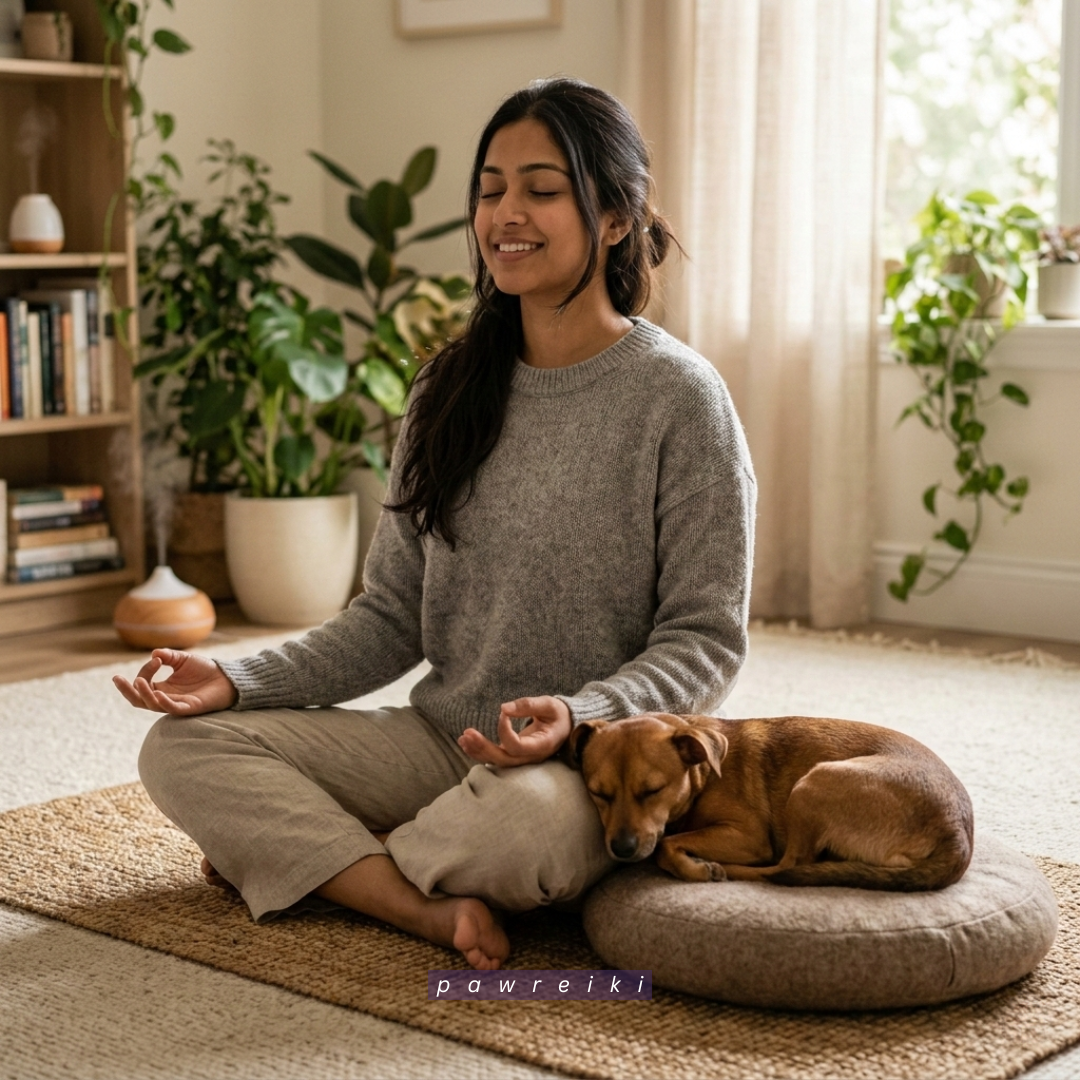
5. Supports Better Sleep
Meditation helps pets relax both mentally and physically, which can improve their sleep quality. When animals feel calm and emotionally secure, their bodies can rest more deeply.
Quiet bonding time before bedtime can help pets settle down and release extra energy from the day. As a result, pets may sleep longer and wake up feeling more comfortable. Better sleep supports overall health, mood stability, and stronger immune function.
6. Increases Trust And Sense Of Safety
Meditation creates a peaceful environment where pets feel protected, loved, and emotionally secure. When owners remain calm and focused during meditation, pets naturally respond to that gentle and stable energy.
This calm presence helps animals feel safer in their surroundings and reduces feelings of fear or uncertainty. Over time, pets grow more confident and relaxed in daily situations.
A strong sense of safety encourages them to explore their environment comfortably and build a deeper emotional connection with their home.
7. Improves Overall Well-Being
Pet meditation supports both emotional and physical well-being. Calm breathing, gentle touch, and a relaxed presence help slow a pet's heart rate and release tension from the body.
This peaceful state encourages better digestion, a stable mood, and balanced energy levels throughout the day. When pets regularly experience moments of calm, their bodies begin to function more naturally and comfortably.
Over time, this balance between mind and body helps pets stay healthier, happier, and more relaxed in their daily life.
8. Helps Owners Become More Mindful
Pet meditation benefits both owners and their animals. Spending quiet time with pets encourages mindfulness and emotional awareness. Owners begin to notice their pet's behaviour, feelings, and needs more clearly.
This deeper understanding helps improve patience, care, and communication. When owners feel calm and relaxed, pets often respond with the same peaceful energy.
These shared moments strengthen the bond between them. Over time, the calm connection creates a happier home where both pet and owner feel more balanced and emotionally connected.
Signs Your Pet Is Relaxing During Meditation
1. Slow Breathing
One of the first signs of relaxation is slow and steady breathing. When pets feel calm during meditation, their breathing becomes softer and more regular.
Owners should observe chest movement or natural breathing rhythm. Rapid breathing may indicate discomfort, while slow breathing shows emotional comfort and safety.
2. Relaxed Body Posture
A relaxed body posture shows that your pet feels safe. Dogs, cats, and other animals may lie down comfortably, stretch their legs, or keep their muscles loose. Tense body muscles usually indicate stress. During meditation, watch if your pet looks naturally relaxed without stiffness.
3. Closed Or Half-Closed Eyes
Pets often close or partially close their eyes when feeling peaceful. This behaviour is common during meditation sessions. It shows trust and comfort. If your pet keeps looking alert or moving constantly, they may not be fully relaxed yet.
4. Gentle Movement Or Stillness
Some pets become very still during meditation, while others move slowly. Both can be normal relaxation signs. Sudden jumping, running, or nervous movement may indicate distraction. Gentle and slow behaviour usually means the meditation is helping them feel calm.
5. Soft Sounds Like Purring Or Sighing
Many pets make soft sounds when relaxed. Cats may purr, while dogs may release soft sighs. These sounds show emotional comfort and stress release. Listen carefully during meditation to notice these natural relaxation signals.
6. Lying Down Comfortably
When pets lie down peacefully without restlessness, it is a positive sign. They may rest their head or curl their body naturally. A comfortable lying position indicates trust, safety, and emotional balance during meditation practice.
7. Falling Asleep During Meditation
If your pet falls asleep during meditation, it is a strong sign of deep relaxation. Sleep means your pet feels completely safe and stress-free. Do not disturb them when they are resting peacefully. Let them enjoy the calming experience.
FAQs
Q1: Can All Pets Benefit From Meditation?
Yes, most pets can benefit from meditation. However, each animal has different comfort levels. Owners should observe behaviour and never force interaction during meditation.
Q2: How Long Should Pet Meditation Sessions Be?
Start with 3–5 minutes daily. Gradually increase the time if your pet stays relaxed. Short, consistent sessions are more effective than long, forced meditation practice.
Q3: What Is The Best Time For Pet Meditation?
Early morning, evening, or bedtime are good times for meditation. Choose quiet moments when your pet is naturally calm and less active.
Q4: Do Pets Really Feel Meditation Energy?
Pets are sensitive to human emotions. Calm breathing, soft touch, and peaceful presence help pets feel safe, trusted, and emotionally comfortable during meditation.
Helpful External Resources
If you’d like to explore pet wellness, behaviour support, or gentle healing practices further, here are trusted organizations and educational resources you may find helpful:
- American Veterinary Medical Association (AVMA) – General pet health, behaviour guidance, and care resources.
- ASPCA Pet Care Library – Behaviour tips, anxiety support, and animal-care information.
- VCA Animal Hospitals: Know Your Pet – Comprehensive articles written by veterinarians.
- International Center for Reiki Training (ICRT): Animal Reiki – Introductory information and classes for working with animals.
- Shelter Animal Reiki Association (SARA) – Ethical, animal-led Reiki practices and training.
Conclusion
Pet meditation is a simple way to create a peaceful environment at home while supporting your pet's emotional health. The Pet Meditation Technique helps animals feel safe, relaxed, and emotionally balanced without requiring special skills or professional training.
You can start by spending quiet time with your pet, practicing slow breathing, and maintaining a gentle presence. Avoid forcing interaction. Every pet reacts differently, so patience and careful observation are important.
With regular practice, these calm moments help build trust, reduce stress, and strengthen the emotional connection between you and your pet, creating a happier and more loving companionship.
I trust you enjoyed this article on Learn Pet Meditation Techniques Easily Today. Please stay tuned for more Reiki insights, pet wellness tips, and holistic lifestyle ideas.
Take care!
— JeannetteZ 🐾💜
💬 Your Opinion Is Important To Me
Do you have thoughts, ideas, or questions? I’d love to hear from you. Please leave your comments below or email me directly at Jeannette@pawreiki.com.
📚 More PawReiki Reads — Discover Energy Healing & Holistic Pet Wellness
💜 My #1 Recommendation for Online Success
Reiki has brought so much peace and purpose to my life, and sharing it online has been a true blessing. If you’ve ever dreamed of creating a gentle income stream around your love for animals and holistic healing, this platform gives you all the tools, training, and community support you need — no tech experience required.
🌟 See How Reiki Lovers Build Online Income — Try WA FreeNo credit card required · Free starter training included
Disclosure
This post may contain affiliate links. As an Amazon Associate and participant in other affiliate programs, I earn from qualifying purchases at no extra cost to you. Please read my full affiliate disclosure.