
How Reiki Differs From Traditional Veterinary Care
Understanding how Reiki differs from traditional veterinary care helps pet parents explore gentle, complementary ways to support their animals’ well-being.
While veterinary medicine focuses on diagnosing and treating physical conditions, Reiki offers a calming, holistic approach that nurtures emotional balance and relaxation.
Both play meaningful roles in a pet’s life, but they work very differently. Reiki creates a peaceful environment where animals can unwind and feel supported, while vet care provides essential medical attention when something is wrong. Together, they can form a thoughtful, well-rounded wellness plan.
How Reiki Differs From Traditional Veterinary Care
Pets benefit from different kinds of support throughout their lives, and understanding how Reiki differs from traditional veterinary care helps you decide what belongs in your pet’s wellness routine. These two approaches offer very different experiences, but they often complement one another beautifully.
Reiki is a gentle, hands-off or lightly hands-on practice that focuses on helping your pet relax, settle emotionally, and feel safe. Its goal is not to diagnose or treat illness, but to nurture calmness and balance.
Veterinary care, on the other hand, is science-based and focuses on diagnosing, treating, and preventing medical conditions. Vets use exams, tests, imaging, medications, and procedures to address your pet’s physical health.
While Reiki supports emotional comfort, relaxation, and stress reduction, veterinary care addresses physical conditions directly. When used together, they can create a more rounded, compassionate approach to caring for your pet.
How Reiki Is Practiced With Animals
Reiki sessions with animals feel gentle, intuitive, and deeply respectful. Instead of structured steps or physical procedures, the experience focuses on creating a calm environment where your pet can relax and unwind at their own pace. Every session adapts to the animal’s comfort level, making it a soothing and naturally guided experience.
1. Calm And Familiar Environments
Most pets relax best in spaces they already know and trust. A favourite blanket, a sunny corner, or a quiet room at home helps them feel safe enough to settle. When the environment feels predictable and comfortable, animals are more open to softening their bodies and releasing tension.
2. Gentle, Hands-Off Or Light-Touch Approach
Reiki never requires firm contact. Some pets enjoy a gentle touch, while others prefer you to sit nearby with your hands relaxed. Both approaches can be effective. The focus is on calm presence rather than physical manipulation, allowing the animal to lead the experience with their own comfort.
3. Your Pet Guides The Entire Session
Animals intuitively choose how they want to participate. They may curl up beside you, stay a short distance away, shift positions, or move closer as the session unfolds. Allowing them to decide how involved they want to be helps build trust and keeps everything peaceful and pressure-free.
4. Subtle Signs Of Relaxation And Release
Pets often show their response through soft, subtle signals: slower breathing, gentle blinking, stretching, yawning, or settling into a deeper rest. These behaviours reflect growing comfort and openness to the calming atmosphere you’re creating.
5. Natural Endings When Your Pet Is Finished
Reiki sessions end when your pet feels complete. They might get up, stretch, move away, or fall asleep. There is no set timeline. Letting the animal decide when the session is over helps ensure the experience stays positive and supportive.
What Happens At A Typical Vet Appointment?
A traditional veterinary visit follows a structured, clinical approach designed to diagnose, treat, or prevent health issues. Most pets experience a mix of familiar steps during these appointments, each focused on understanding their physical well-being and ensuring they receive the medical support they need.
1. Physical Examinations
A vet assesses your pet’s overall condition by checking their eyes, ears, teeth, skin, breathing, heart rate, and mobility. These observations help identify early signs of illness or discomfort that may not be obvious at home.

2. Diagnostic Testing
If something needs deeper investigation, vets rely on tools such as blood tests, X-rays, or ultrasounds. These tests show what’s happening inside the body and help guide the next steps in care.
3. Hands-On Treatment
Veterinary care often involves medications, wound care, bandaging, pain management, or surgery when needed. These treatments directly address the root cause of a medical issue and aim to restore physical health.
4. Preventive Care
Routine exams, vaccines, dental checks, and parasite prevention help protect pets before problems arise. This proactive approach keeps pets healthier long-term and reduces the risk of severe conditions.
5. Structured, Evidence-Based Protocols
Vet appointments rely on established medical guidelines and clear procedures. This consistency helps ensure pets receive accurate diagnoses and effective treatments supported by current research.
Goals: Healing Or Managing Disease?
Reiki and veterinary medicine both support animal well-being, but in very different ways. Understanding these differences helps you decide which approach best fits your pet’s life.
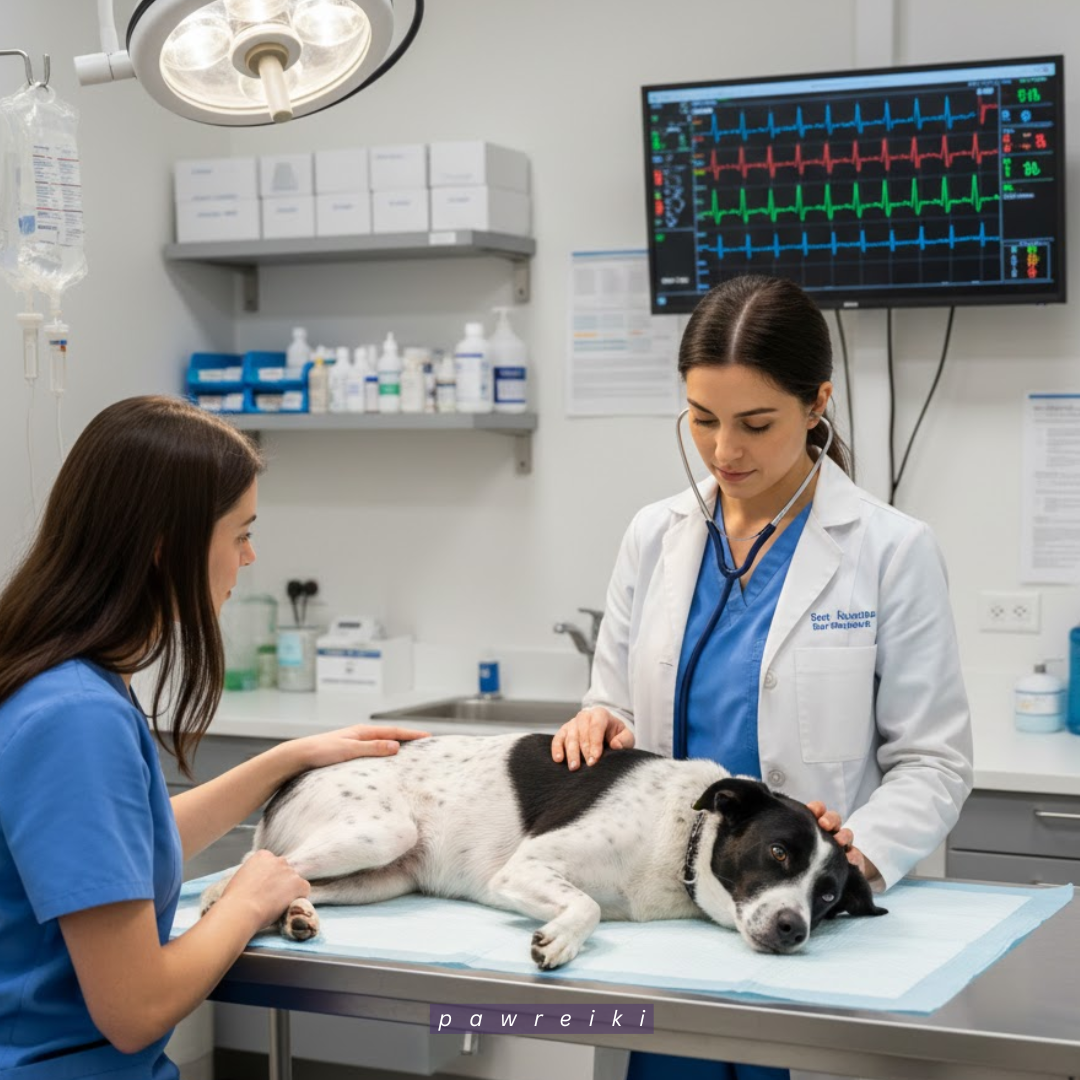
Veterinary Medicine
Veterinary care focuses on identifying, treating, and managing physical health conditions. The goal is to diagnose what is happening inside the body and address it directly through medical intervention.
This includes managing disease, relieving pain, preventing future issues, and restoring physical function whenever possible. It is structured, measurable, and firmly grounded in medical science.
Reiki
Reiki is not used to diagnose or treat medical conditions. Instead, it encourages a state of calm, emotional balance, and gentle relaxation. These peaceful moments can help pets settle, feel supported, and cope more comfortably with everyday stresses.
Reiki’s goal is not to manage disease, but to help create an environment where the body and mind can unwind. This often complements veterinary care by easing tension and supporting overall comfort.
Working Together
Many pet parents find value in using both approaches side by side. Veterinary medicine addresses physical health needs, while Reiki supports the emotional and energetic side of well-being. Together, they create a more rounded wellness plan that honours both the medical and emotional needs of animals.
Key Differences Between Reiki And Traditional Vet Care
Reiki and veterinary medicine can complement one another beautifully, but their methods and intentions differ in several meaningful ways. Understanding these differences helps set realistic expectations and allows you to choose the best combination of support for your pet.
1. Basis
Reiki is rooted in relaxation and the flow of calming, supportive energy. It focuses on helping animals feel safe and settled. Veterinary care is grounded in scientific assessment, medical knowledge, and clear diagnostic tools.
2. Methods
Reiki uses very gentle touch or hands-off techniques and allows the animal to decide how close they want to be.
Veterinary care relies on physical exams, diagnostic tests, medication, and procedures designed to identify and treat medical conditions.
3. Outcomes
Reiki aims to ease emotional tension, reduce stress, and support overall well-being. Veterinary medicine seeks to prevent, manage, or resolve physical illness and to keep the body functioning properly.
4. Regulation
Reiki is a holistic practice without formal licensing requirements. Pet parents must choose practitioners carefully if they seek outside help. Veterinarians undergo years of formal education, clinical training, and ongoing certification to provide medical care.
5. Pace And Experience
Reiki sessions are quiet, unhurried, and led by the animal’s comfort level. Veterinary visits follow structured steps designed to diagnose and treat efficiently, which can sometimes feel overwhelming for sensitive pets.
Challenges And Concerns When Choosing Reiki
Reiki can bring calm and emotional support to your pet’s wellness routine, but it’s important to approach it with clarity and realistic expectations. Keeping these points in mind helps you use Reiki safely and responsibly alongside traditional veterinary care.
1. Not A Replacement For Medical Treatment
Reiki promotes relaxation and emotional balance, but it cannot diagnose or treat illness. If your pet shows pain, injury, or sudden changes in behaviour, a veterinarian should always be your first resource.

2. Limited Scientific Research
Many pet parents notice positive shifts after offering Reiki, but scientific studies on animals are still limited. Because of this, Reiki is best used as a gentle complement to your pet’s existing care rather than a cure for medical conditions.
3. Your Pet’s Comfort Comes First
Some animals settle into Reiki quickly, while others prefer to observe from a distance or take things slowly. Allowing your pet to choose how close they want to be creates a safe, pressure-free experience.
4. Respecting Natural Boundaries
Pets communicate clearly through body language. If they walk away, shift positions, or seem unsure, it simply means they need space. Honouring these signals helps build trust and keeps Reiki sessions positive and relaxed.
5. Understanding What Reiki Can And Cannot Do
Reiki cannot replace training, veterinary care, or behavioural support. Its strength lies in calming the nervous system, easing emotional tension, and helping pets feel grounded — benefits that work beautifully alongside a stable routine, enrichment, and regular checkups.
Want to Share Your Love for Pet Reiki?
Discover how rewarding it can be to bring healing energy and compassion to pets — and to share that passion online with others.
How Reiki And Traditional Veterinary Care Work Together
Reiki and veterinary care each support your pet in different ways. When used together, they can create a balanced approach to well-being.
Veterinary care addresses physical health, while Reiki helps soothe stress, support emotional comfort, and encourage a calmer state of mind.
1. Helping Pets Manage Stress
Reiki can create a sense of safety and relaxation, which is especially helpful during times of change, after appointments, or when your pet feels unsettled. A calm nervous system often makes everyday challenges easier for pets to handle.
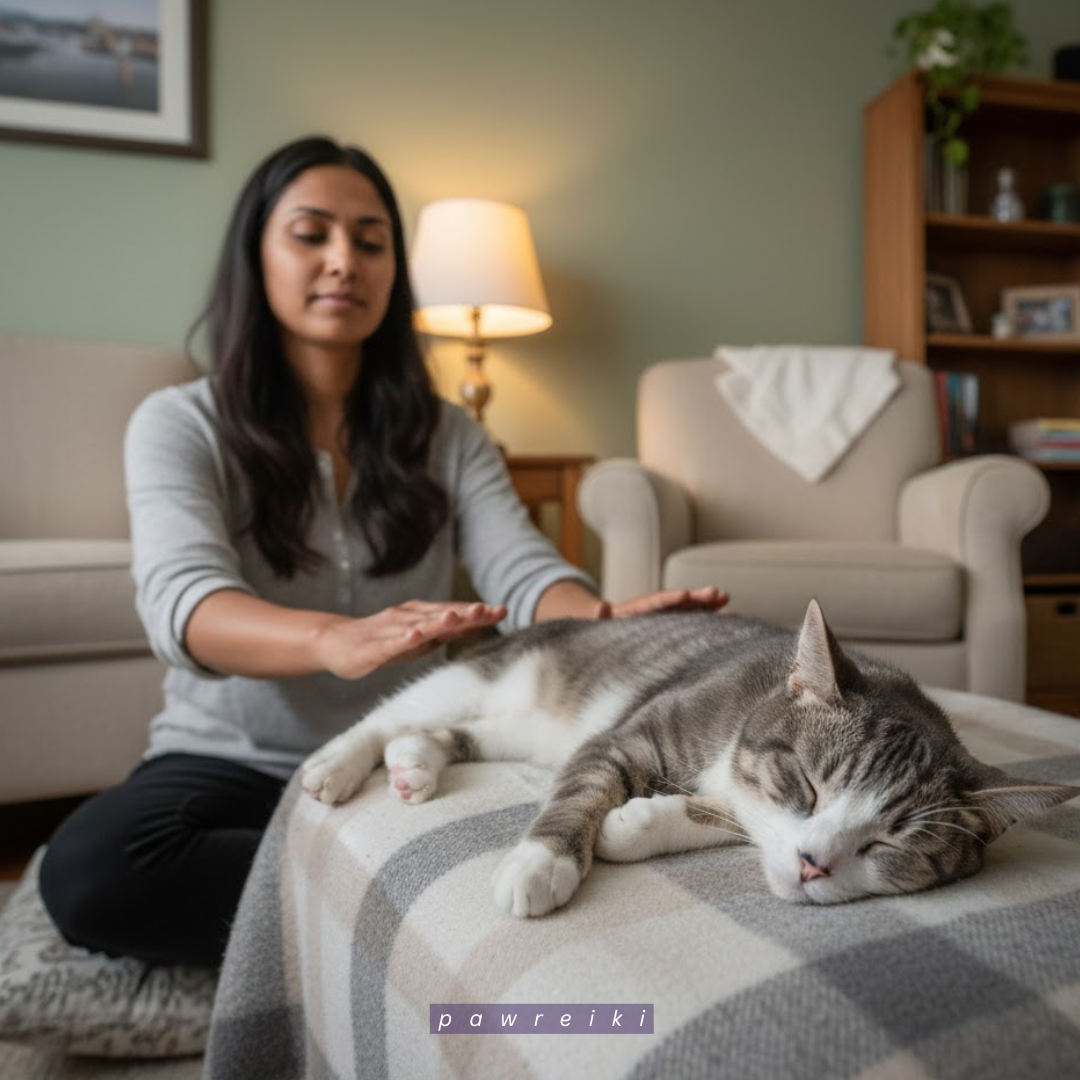
2. Supporting Recovery And Rest
When pets are healing from illness or discomfort, relaxation becomes very important. Reiki can help your pet settle, sleep more deeply, and feel more at ease as they recover under veterinary guidance.
3. Offering Comfort In Difficult Moments
For elderly pets or those navigating challenging stages of life, gentle Reiki sessions can provide stillness, reassurance, and emotional support. Many pet parents find this comforting for both themselves and their animals.
4. Strengthening Behaviour And Bonding
Reiki nurtures trust and emotional connection. Pets who feel safe and supported often respond better to routines, enrichment, and other training or behaviour work.
5. Creating A Holistic Wellness Routine
Reiki fits naturally alongside regular veterinary visits, good nutrition, exercise, enrichment, and daily companionship.
Together, these elements help create a well-rounded approach that supports your pet’s whole well-being.
Real-World Experiences: How Reiki Supports Pets In Everyday Life
Many pet parents have shared touching stories about how Reiki brings a sense of calm and comfort to their animals. The changes are usually subtle at first, but over time, these gentle moments can make a meaningful difference in how pets handle stress, rest, and connection.
1. A Senior Dog Finding Deeper Rest
One family noticed their older dog slept more peacefully on nights when they offered quiet Reiki time before bed. He stretched out sooner, settled more easily, and seemed more relaxed the next morning.

2. A Shy Rescue Cat Gaining Confidence
A recently adopted cat spent weeks hiding under the couch. With short, consistent Reiki sessions offered from across the room, she gradually began coming out more often. She started choosing nearby sunny spots instead of retreating and eventually began sitting within arm’s reach.
3. Easing Tension In A Multi-Pet Household
Two dogs who often competed for attention began relaxing more during calm Reiki time. Over a few weeks, their owners noticed fewer small squabbles and more peaceful moments of shared space.
4. Comfort During Storm Season
A dog frightened by thunderstorms began showing lighter, softer reactions when Reiki was part of her routine. She still noticed the storms, but she paced less and settled faster once someone sat nearby offering calm, steady energy.
5. Helping A Newly Adopted Pet Adjust
One family used Reiki during the first few weeks with their new kitten. The slow, quiet sessions seemed to help her settle into the household rhythm. They described her transitions as smoother and her curiosity growing quicker than expected.
These stories highlight a simple truth: Reiki does not need dramatic results to be meaningful. Often, the real benefit lies in the gentle comfort it brings, the ease it offers during stressful moments, and the deeper connection that grows between pets and the people they trust.
Frequently Asked Questions About Reiki And Veterinary Care
Q1: Can Reiki Treat Illnesses Or Medical Conditions?
Reiki cannot diagnose or treat medical issues. Its strength is in promoting relaxation, comfort, and emotional balance. Any concerns about illness or injury should always be addressed through veterinary care.
Q2: Is Reiki Safe For All Animals?
Reiki is gentle and noninvasive, making it suitable for most pets. Your animal’s comfort is the guide. If they choose to stay close or move away, both responses are perfectly normal.
Q3: Should I Tell My Vet That I’m Using Reiki?
Sharing your holistic routines with your veterinarian ensures your pet’s care remains consistent. It helps everyone support your animal’s overall well-being with clear communication.
Q4: How Long Does A Typical Reiki Session Last?
There is no set length. Some pets enjoy a few minutes, while others settle into longer sessions. The best approach is to follow your pet’s natural timing and willingness.
Q5: Can I Learn To Offer Reiki At Home?
Yes. Many pet parents offer simple, calming Reiki sessions through quiet presence, intention, and gentle awareness. You do not need formal training to create a comforting routine with your pet.
Q5: How Often Should I Offer Reiki To My Pet?
Many pets enjoy weekly sessions, while others benefit from shorter, more frequent moments of calm. Follow your pet’s behaviour — if they seem more relaxed, affectionate, or eager to come closer, your rhythm is likely working well.
Helpful External Resources
If you’d like to explore pet wellness, behaviour support, or gentle healing practices further, here are trusted organizations and educational resources you may find helpful:
- American Veterinary Medical Association (AVMA) – General pet health, behaviour guidance, and care resources.
- ASPCA Pet Care Library – Behaviour tips, anxiety support, and animal-care information.
- VCA Animal Hospitals: Know Your Pet – Comprehensive articles written by veterinarians.
- International Center for Reiki Training (ICRT): Animal Reiki – Introductory information and classes for working with animals.
- Shelter Animal Reiki Association (SARA) – Ethical, animal-led Reiki practices and training.
Wrapping Up: Choosing What Feels Right For Your Pet
Reiki and veterinary care serve very different purposes, yet together they can support a more balanced and comforting life for your pet.
Veterinary care addresses illness, injury, and prevention, while Reiki offers gentle emotional ease and a peaceful atmosphere at home.
When used together, they create a well-rounded approach that respects both your pet’s physical needs and their emotional well-being.
Every animal is unique. Some respond quickly to Reiki’s calming presence, while others warm up slowly over time. The most important part is listening to your pet, honouring their cues, and choosing the combination of care that feels right for them.
Reiki will never replace medical attention, but it can become a meaningful part of your weekly routine. It can help strengthen your connection, soften anxious moments, and create a sense of safety your pet can rely on.
I trust you enjoyed this article on How Reiki Differs From Traditional Veterinary Care. Please stay tuned for more Reiki insights, pet wellness tips, and holistic lifestyle ideas.
Take care!
— JeannetteZ 🐾💜
💬 Your Opinion Is Important To Me
Do you have thoughts, ideas, or questions? I’d love to hear from you. Please leave your comments below or email me directly at Jeannette@pawreiki.com.
📚 More PawReiki Reads — Discover Energy Healing & Holistic Pet Wellness
💜 My #1 Recommendation for Online Success
Reiki has brought so much peace and purpose to my life, and sharing it online has been a true blessing. If you’ve ever dreamed of creating a gentle income stream around your love for animals and holistic healing, this platform gives you all the tools, training, and community support you need — no tech experience required.
🌟 See How Reiki Lovers Build Online Income — Try WA Free
No credit card required · Free starter training included
Disclosure
This post may contain affiliate links. As an Amazon Associate and participant in other affiliate programs, I earn from qualifying purchases at no extra cost to you. Please read my full affiliate disclosure.